Leçon 14 | 11 Mars 1959
原文 · s6-14-0001
Hamlet (2) Nous voici donc depuis la dernière fois dans HAMLET. HAMLET ne vient pas là par hasard, encore que je vous aie dit qu’il était introduit à cette place par la formule
哈姆雷特(2)
自上次以来,我们便置身于《哈姆雷特》之中。《哈姆雷特》出现在这里并非偶然,尽管我曾告诉你们,它是由这样一个公式引入这个位置的:
原文 · s6-14-0002
du « Être ou ne pas être » qui s’était imposée à moi à propos du rêve d’Ella SHARPE. J’ai été amené à relire une part
“生存还是毁灭/是还是不是”。这个公式是在讨论埃拉·夏普之梦时向我强加自身的。我因此重新阅读了一部分
原文 · s6-14-0003
de ce qui a été écrit d’HAMLET sur le plan analytique, et aussi de ce qui en a été écrit avant. Les auteurs,
从分析层面围绕《哈姆雷特》写下的东西,以及更早以前人们写下的东西。那些作者——
原文 · s6-14-0004
du moins les meilleurs, ne sont pas, bien entendu, sans faire état de ce qui en a été écrit bien avant, et je dois dire que nous sommes amenés fort loin, quitte de temps en temps à me perdre un petit peu, non sans plaisir.
至少是其中最优秀者——当然不会不提及早先很久的论述。我必须说,我们因此被带到极远的地方;偶尔我也会稍稍迷路,但并非毫无乐趣。
原文 · s6-14-0005
Le problème est de rassembler ce dont il s’agit pour ce qui est de notre but précis. Notre but précis étant de donner, ou de redonner, son sens à la fonction du désir dans l’analyse et l’interprétation analytique.
问题在于,围绕我们的确切目标,把这里涉及的东西汇集起来。我们的确切目标,是赋予——或重新赋予——欲望功能在分析与分析性解释中的意义。
原文 · s6-14-0006
Il est clair que pour cela nous ne devons pas avoir une trop grande peine car…
显然,为此我们不应当太过费力,因为……
原文 · s6-14-0007
j’espère vous le faire sentir et je vous donne ici tout de suite mon propos
原文 · s6-14-0008
…je crois que ce qui distingue La tragédie d’HAMLET, prince de Danemark, c’est essentiellement d’être la tragédie du désir.
……我认为,《丹麦王子哈姆雷特的悲剧》之所以与众不同,根本在于它是一部欲望的悲剧。
原文 · s6-14-0009
HAMLET qui…
《哈姆雷特》……
原文 · s6-14-0010
sans qu’on en soit absolument sûr, mais enfin, selon les recoupements vraiment les plus rigoureux
虽然我们无法绝对确定,但根据真正最严密的相互印证
原文 · s6-14-0011
…devrait avoir été joué à Londres pour la première fois pendant la saison d’hiver 1601. HAMLET dont la première édition in-quarto…
……应当是在1601年冬季演出季首次于伦敦上演。《哈姆雷特》的第一个四开本版本……
原文 · s6-14-0012
cette fameuse édition qui a été quasiment ce que l’on appelle une « édition pirate » à l’époque, à savoir
qu’elle n’était point faite sous le contrôle de l’auteur mais empruntée à ce que l’on appelait les prompt-books, les livrets à usage du souffleur
就是那个著名版本,当时几乎可说是所谓的“盗版”:
它并非在作者控制下制作,而是取材于所谓的 prompt-books,即提词员使用的脚本
原文 · s6-14-0013
…cette édition…
……这个版本……
原文 · s6-14-0014
c’est amusant quand même de savoir ces petits traits d’histoire littéraire
了解这些文学史小细节终究颇有意思
原文 · s6-14-0015
…est resté inconnue jusqu’en 1823, lorsqu’on a mis la main sur un de ces exemplaires sordides, ce qui tient à ce qu’ils ont été beaucoup manipulés, emportés probablement aux représentations.
……直到1823年一直无人知晓,后来人们才找到其中一册肮脏破旧的本子;它们之所以如此,是因为曾被大量翻动,很可能还被带到演出现场。
原文 · s6-14-0016
Et l’édition in-folio, la grande édition de SHAKESPEARE, n’a commencé à paraître qu’après sa mort en 1623, précédant la grande édition où l’on trouve la division en actes. Ce qui explique que la division en actes soit beaucoup moins décisive et claire dans SHAKESPEARE qu’ailleurs.
而莎士比亚的大型对开本版本直到他去世后的1623年才开始出版;它早于那个包含分幕的大版本。这解释了为什么莎士比亚戏剧中的分幕不如其他作品那般明确和清楚。
原文 · s6-14-0017
En fait, on ne croit pas que SHAKESPEARE ait songé à diviser ses pièces en cinq actes. Cela a son importance parce que nous allons voir comment se répartit cette pièce.
*事实上,人们认为莎士比亚从未想过把自己的戏剧分成五幕。*这一点很重要,因为我们将看到这部戏怎样展开。
原文 · s6-14-0018
L’hiver 1601, c’est deux ans avant la mort de la reine ELISABETH. Et en effet on peut considérer approximativement qu’HAMLET…
1601年冬季,距伊丽莎白女王去世还有两年。事实上,我们可以大致认为,《哈姆雷特》……
原文 · s6-14-0019
qui a une importance capitale dans la vie de SHAKESPEARE
它在莎士比亚一生中具有至关重要的地位
原文 · s6-14-0020
…redouble, si l’on peut dire, le drame de cette jointure entre deux époques, deux versants de la vie du poète, car le ton change complètement lorsqu’apparaît sur le trône JACQUES Ier.
……可以说复现了两个时代、诗人生命两个侧面相接处的戏剧;因为詹姆斯一世登基以后,作品的语调完全改变了。
原文 · s6-14-0021
Et déjà quelque chose s’annonce, comme dit un auteur, qui brise ce charme cristallin du règne d’ELISABETH, de « la reine vierge », celle qui réussira ces longues années de paix miraculeuses au sortir de ce qui constituait…
某种东西已经开始显露;正如一位作者所说,它打碎了伊丽莎白时代——“童贞女王”时代——那水晶般的魅力。在此前构成……的时期结束以后,女王成功地维持了漫长而奇迹般的和平岁月。
原文 · s6-14-0022
dans l’histoire d’Angleterre comme dans beaucoup de pays
在英国历史中如此,在许多国家亦如此
原文 · s6-14-0023
…une période de chaos dans laquelle elle devait promptement rentrer, avec tout le drame de la révolution puritaine.
……那是一个混乱时期;此后,随着清教徒革命的整个戏剧,英国很快又要重新陷入混乱。
原文 · s6-14-0024
Bref, 1601 annonce déjà cette mort de la reine qu’on ne pouvait assurément pas prévoir, par l’exécution de son amant, le comte d’Essex, qui se place la même année que la pièce d’HAMLET.
总之,1601年处决了女王的宠臣埃塞克斯伯爵,这同《哈姆雷特》一剧发生在同一年;它已经预示了女王之死,尽管当时当然无人能够预见。
原文 · s6-14-0025
Ces repères ne sont pas absolument vains à évoquer, d’autant plus que nous ne sommes pas les seuls à avoir essayé de restituer HAMLET dans son contexte. Ce que je vous dis là, je ne l’ai vu dans aucun auteur analytique, souligné. Ce sont pourtant des espèces de faits premiers qui ont bien leur importance.
提及这些坐标绝非完全徒劳,尤其因为我们并非唯一尝试把《哈姆雷特》放回其语境的人。我刚才说的这些事实,却没有在任何分析家那里受到强调;然而它们毕竟是某些首要事实,自有其重要性。
原文 · s6-14-0026
À la vérité, ce qui a été écrit chez les auteurs analytiques ne peut pas être dit avoir été éclaircissant, et ce n’est pas d’aujourd’hui que je ferai la critique de ce vers quoi a versé une espèce d’interprétation analytique, à la ligne, d’HAMLET. Je veux dire…
说实话,分析家们写下的东西不能说澄清了问题。我今天不会批评那种逐行进行的《哈姆雷特》分析性解释最终滑向何处。我是说……
原文 · s6-14-0027
« J’essaye de retrouver tel ou tel élément », sans à vrai dire qu’on puisse en dire autre chose
“我试图找出这个或那个要素”,除此以外,其实再也说不出什么
原文 · s6-14-0028
…que s’éloigne de plus en plus, à mesure que les auteurs insistent, la compréhension de l’ensemble, la cohérence du texte.
……随着作者们不断坚持,对整体的理解、对文本连贯性的把握反而越来越远。
原文 · s6-14-0029
Je dois dire aussi de notre Ella SHARPE dont je fais grand cas, que là-dessus…
我还必须说,我们十分重视的埃拉·夏普在这一点上……
原文 · s6-14-0030
dans son paper, il est vrai « unfinished » que l’on a trouvé après sa mort
她那篇在身后被发现、诚然“尚未完成”的论文中
原文 · s6-14-0031
…elle m’a grandement déçu. J’en ferai état quand même parce que c’est significatif. C’est tellement « dans la ligne » que nous sommes amenés à expliquer, eu égard à la tendance qu’on voit prise par la théorie analytique, que cela vaut la peine d’être mis en valeur. Mais nous n’allons pas commencer par là.
……令我大为失望。不过我仍会提到它,因为它很有征兆性。它如此顺着我们不得不加以解释的“路线”而行——考虑到我们看见分析理论已经采取的倾向——值得我们予以凸显。但我们不会从这里开始。
原文 · s6-14-0032
Nous allons commencer par l’article de JONES 1 paru en 1910 dans le American journal of Psychology - qui est une date et un monument, et qu’il est essentiel d’avoir lu. Il n’est pas facile actuellement de se le procurer. Et dans la petite réédition qu’il en a faite, JONES a - je crois - ajouté autre chose, quelques compléments à sa théorie d’HAMLET.
我们要从琼斯发表于1910年《美国心理学杂志》的文章[注1]开始。它标志着一个日期,也是一座里程碑,必须读过。现在不容易找到这篇文章。琼斯后来重印过一个短版,我想,他又在那里添入了一些别的东西,对自己的《哈姆雷特》理论作了若干补充。
[注1] 欧内斯特·琼斯:《作为哈姆雷特之谜解释的俄狄浦斯情结:一项动机研究》(“The Œdipus Complex as an Explanation of Hamlet’s Mystery: A Study in Motive”),《美国心理学杂志》,1910年1月,第21卷第1期,第72—113页。
原文 · s6-14-0033
Dans cet article : The Œdipus Complex as an explanation of Hamlet’s Mystery : Le complexe d’Œdipe en tant qu’explication du mystère d’Hamlet, il ajoute comme sous-titre : A study in Motive, Une étude de motivation.
这篇文章题为《作为哈姆雷特之谜解释的俄狄浦斯情结》,副标题则是 A Study in Motive,即“一项动机研究”。
原文 · s6-14-0034
En 1910 JONES aborde le problème magistralement indiqué par FREUD, comme je vous l’ai montré la dernière fois, dans cette demi-page sur laquelle on peut dire qu’en fin de compte tout est déjà, puisque même les points d’horizon sont marqués, à savoir les rapports de SHAKESPEARE avec le sens du problème qui se pose pour lui : la signification de l’objet féminin.
1910年,琼斯处理了弗洛伊德高屋建瓴地指出的问题。正如我上次向你们展示的,在那半页文字里,可以说归根结底一切都已经具备,甚至连地平线上的坐标也已标明:即莎士比亚同向他提出之问题的意义之间的关系——女性对象的意涵。
原文 · s6-14-0035
Je crois que c’est là quelque chose de tout à fait central. Et si FREUD nous pointe à l’horizon Timon d’Athènes, c’est une voie dans laquelle assurément Ella SHARPE a essayé de s’engager. Elle a fait de toute l’œuvre de SHAKESPEARE une sorte de vaste oscillation cyclothymique, y montrant les pièces ascendantes, c’est-à-dire qu’on pourrait croire optimistes, les pièces où l’agression va vers le dehors, et celles où l’agression revient vers le héros ou le poète, celles de la phase descendante. Voilà comment nous pourrions classer les pièces de SHAKESPEARE, voire même à l’occasion les dater.
我认为,这是某种绝对核心的东西。如果弗洛伊德在地平线上为我们指出《雅典的泰门》,埃拉·夏普无疑曾试图走上这条路。她把莎士比亚的全部作品化成某种巨大的环性心境式摆动,在其中标出上升期戏剧——也就是看似乐观、攻击朝向外部的戏剧——以及攻击返回主人公或诗人自身的下降期戏剧。我们仿佛可以用这种方式为莎士比亚的戏剧分类,甚至有时据此断定年代。
原文 · s6-14-0036
Je ne crois pas que ce soit là quelque chose d’entièrement valable, et nous allons nous en tenir pour le moment au point où nous en sommes. C’est-à-dire d’abord à HAMLET pour essayer… Je donnerai peut-être quelques indications sur ce qui suit ou précède, sur La douzième nuit et Troylus and Cressida, car je crois que c’est presque impossible de ne pas en tenir compte, cela éclaire grandement les problèmes que nous allons d’abord introduire sur le seul texte d’HAMLET.
我不认为这种做法完全有效;目前我们仍停留在已经到达的地方,也就是先从《哈姆雷特》开始,尝试……我也许会对它前后的作品给出一些提示,谈谈《第十二夜》和《特洛伊罗斯与克瑞西达》,因为我认为几乎不可能不把它们考虑在内;它们能极大地照亮我们首先要在《哈姆雷特》文本自身中引入的问题。
原文 · s6-14-0037
Avec ce grand style de documentation qui caractérise ses écrits…
琼斯的著作具有一种宏大的文献风格……
原文 · s6-14-0038
il y a chez JONES une solidité, une certaine ampleur de style dans la documentation
qui distingue hautement ses contributions
琼斯在文献上有一种坚实性,一种相当恢宏的风格,
使他的贡献格外卓著
原文 · s6-14-0039
…JONES fait une sorte de résumé de ce qu’il appelle à très juste titre « *le mystère d’*HAMLET ».
……他对自己极其恰当地称为“《哈姆雷特》之谜”的东西作了一番概述。
原文 · s6-14-0040
De deux choses l’une :
两种情况必居其一:
原文 · s6-14-0041
- ou vous vous rendez compte de l’ampleur qu’a prise la question,
- 要么你们意识到这个问题已经发展到何等规模;
原文 · s6-14-0042
- ou vous ne vous en rendez pas compte.
- 要么你们没有意识到。
原文 · s6-14-0043
Pour ceux qui ne s’en rendent pas compte, je ne vais pas répéter là ce qu’il y a dans l’article de JONES, d’une façon ou d’une autre, informez-vous.
对于尚未意识到的人,我不会在这里重复琼斯文章里的内容;无论如何,请自行了解。
原文 · s6-14-0044
Il faut que je dise que la masse des écrits sur HAMLET est quelque chose de sans équivalent, l’abondance de la littérature est quelque chose d’incroyable. Mais ce qui est plus incroyable encore, c’est l’extraordinaire diversité des interprétations qui en ont été données. Je veux dire que les interprétations les plus contradictoires se sont succédée, ont déferlé à travers l’histoire, instaurant le problème du problème, à savoir : pourquoi tout le monde s’acharne-t-il à y comprendre quelque chose ?
我必须说,围绕《哈姆雷特》形成的庞大著述无与伦比,相关文献之丰富令人难以置信。但更令人难以置信的,是人们提出的解释何其多样。我是说,彼此最为矛盾的解释在历史中接踵而至、汹涌而过,制造出一个关于问题的问题:为什么人人都执意要从中理解出某种东西?
原文 · s6-14-0045
Et elles donnent les résultats les plus extravagants, les plus incohérents, les plus divers. On ne peut pas dire que cela n’aille excessivement loin, nous aurons à y revenir à l’intérieur même de ce que je vais rapidement rappeler des versants de cette explication que résume JONES dans son article.
这些解释得出了最离奇、最不连贯、最为多样的结果。不能说它们没有走得极其遥远;我会迅速回顾琼斯在文章中概述的这些解释侧面,其间我们还会回到这一点。
原文 · s6-14-0046
À peu près tout a été dit. Et pour aller à l’extrême, il y a un Popular Science Monthly…
差不多什么都有人说过。举一个极端例子,有一本《大众科学月刊》……
原文 · s6-14-0047
qui doit être une espèce de publication de vulgarisation plus ou moins médicale
它大概是某种多少带有医学性质的普及刊物
原文 · s6-14-0048
…qui a fait quelque chose en 1880 qui s’appelle The Impediment of adipose, Les embêtements de l’adipose. À la fin d’HAMLET on nous dit qu’HAMLET est gros et court de souffle, et dans cette revue il y a tout un développement sur l’adipose d’HAMLET ! Il y a un certain VINING2 qui, en 1881, a découvert qu’HAMLET était une femme déguisée en homme, dont le but à travers toute la pièce était la séduction d’HORATIO, et que c’était pour atteindre le cœur d’HORATIO qu’HAMLET manigançait toute son histoire. C’est tout de même une assez jolie histoire !
……1880年刊登过一篇题为 The Impediment of Adipose、即《肥胖的妨碍》的文章。《哈姆雷特》结尾告诉我们,哈姆雷特肥胖而且气短,这本杂志竟围绕哈姆雷特的肥胖大加发挥!有一位叫维宁的人[注2]于1881年发现:哈姆雷特其实是女扮男装的女人,贯穿全剧的目的就是勾引贺拉斯;哈姆雷特筹划这一整套故事,正是为了赢得贺拉斯的心。这终究是个颇漂亮的故事!
[注2] 爱德华·佩森·维宁:《哈姆雷特之谜:解决一个古老问题的尝试》,1881年;或 Adamant Media Corporation,2005年版。
原文 · s6-14-0049
En même temps, on ne peut pas dire que ce soit absolument sans écho pour nous, il est certain que les rapports d’HAMLET avec les gens de son propre sexe sont quand même étroitement tissés dans le problème de la pièce.
与此同时,也不能说它对我们绝对毫无回响;哈姆雷特同其同性人物的关系,无疑紧密编织在全剧的问题之中。
原文 · s6-14-0050
Revenons à des choses sérieuses et, avec JONES, rappelons que ces efforts de la critique se sont groupés autour de deux versants. Quand il y a deux versants dans la logique, il y a toujours un troisième versant, contrairement à ce qu’on croit, le tiers n’est pas si exclu que cela. Et c’est évidemment le tiers qui, dans le cas, est intéressant.
让我们回到严肃的事情上,同琼斯一起记住:批评家的这些努力围绕两个侧面聚集起来。逻辑中若有两个侧面,就总会有第三个侧面;与人们所以为的相反,第三者并没有被如此彻底地排除。而在这个个案中,有意思的显然就是第三个侧面。
原文 · s6-14-0051
Les deux versants n’ont pas eu de minces tenants. Dans le premier versant, il y a ceux qui ont, en somme, interrogé la psychologie d’HAMLET. C’est évidemment à eux qu’appartient la primauté, que doit être donné le haut du pavé de notre estime. Nous y rencontrons GŒTHE, et COLERIDGE qui dans ses Lectures on Shakespeare a pris une position très caractéristique dont je trouve que JONES aurait pu peut-être faire un plus ample état.
两个侧面都不乏重量级支持者。第一个侧面,是那些探究哈姆雷特心理的人。优先地位显然属于他们;我们也应给予他们最高的敬意。这里有歌德,还有柯勒律治;后者在《莎士比亚讲演录》中采取了一个十分典型的立场,我认为琼斯本可对它作更充分的介绍。
原文 · s6-14-0052
Car JONES, chose curieuse, s’est surtout lancé dans un extraordinairement abondant commentaire de ce qui a été fait en allemand, qui a été proliférant, voire prolixe. Les positions de GŒTHE et de COLERIDGE ne sont pas identiques. Elles ont cependant une grande parenté qui consiste à mettre l’accent sur la forme spirituelle du personnage d’HAMLET. En gros, disons que pour GŒTHE, c’est « l’action paralysée par la pensée ». Comme on le sait, ceci a une longue lignée. On s’est rappelé - et non en vain bien sûr - qu’HAMLET avait vécu un peu longtemps à Wittenberg.
奇怪的是,琼斯主要投入了大量篇幅评论德语世界所做的工作;那些工作繁殖得极多,甚至颇为冗长。歌德与柯勒律治的立场并不相同,但有很深的亲缘性:两者都强调哈姆雷特这个人物的精神形态。粗略地说,对歌德而言,这是“被思想麻痹的行动”。众所周知,这个说法有一条漫长的后裔谱系。人们记起——当然并非徒然——哈姆雷特曾在维滕贝格生活过相当长一段时间。
原文 · s6-14-0053
Et ce terme renvoyant l’intellectuel et ses problèmes à une fréquentation un peu abusive de Wittenberg représenté, non sans raison, comme l’un des centres d’un certain style de formation de la jeunesse étudiante allemande, est une chose qui a eu une très grande postérité. HAMLET est en somme l’homme qui voit tous les éléments, toutes les complexités, les motifs du jeu de la vie, et qui est en somme suspendu, paralysé dans son action par cette connaissance. C’est un problème à proprement parler gœthéen, et qui n’a pas été sans profondément retentir, surtout si vous y ajoutez le charme et la séduction du style de GŒTHE et de sa personne.
这个说法把知识分子及其问题归因于同维滕贝格过度频繁的往来;维滕贝格不无道理地被视为德国青年学生某种培养风格的中心之一。这个想法留下了极为深远的影响。归根结底,哈姆雷特是一个看见人生游戏的一切要素、一切复杂性与一切动机的人;他因这种知识而悬置,行动陷入麻痹。这是一个严格说来属于歌德的问题;尤其再加上歌德文风与人格的魅力和诱惑力,它产生了极深的回响。
原文 · s6-14-0054
Quant à COLERIDGE, dans un long passage que je n’ai pas le temps de vous lire, il abonde dans le même sens, avec un caractère beaucoup moins sociologique, beaucoup plus psychologique. Il y a quelque chose à mon avis qui domine là, dans tout le passage de COLERIDGE sur cette question, et que je me plais à retenir :
至于柯勒律治,在一段我没有时间为你们朗读的长文中,他也沿着同一方向,只是少了许多社会学色彩,多了许多心理学色彩。在我看来,柯勒律治关于这个问题的整段文字都被某种东西支配;我很乐意把它记下来:
原文 · s6-14-0055
« Il faut bien que je vous avoue que je ressens en moi quelque goût de la même chose. »
“我必须向你们承认,我在自己身上也尝到一点同样的滋味。”
原文 · s6-14-0056
C’est ce qui dessine chez lui le caractère psychasthénique, l’impossibilité de s’engager dans une voie, et une fois y être entré, engagé, d’y rester jusqu’au bout.
这勾勒出他身上的精神衰弱性质:无法投身一条道路;而一旦进入、投身其中,也无法一直坚持到底。
原文 · s6-14-0057
L’intervention de l’hésitation, des motifs multiples, est un morceau brillant de psychologie qui donne pour nous l’essentiel, le ressort, le suc de son essence, dans cette remarque dite au passage par COLERIDGE : « Après tout j’ai quelque goût de cela - c’est-à-dire - je me retrouve là-dedans… » Il l’avoue au passage, et il n’est pas le seul. On trouve une remarque analogue chez quelqu’un qui est quasi contemporain de COLERIDGE, et qui a écrit des choses remarquables sur SHAKESPEARE dans ses Essays on Shakespeare, c’est HAZLITT, dont JONES - à tort - ne fait pas du tout état, car c’est quelqu’un qui a écrit les choses les plus remarquables sur ce sujet à l’époque.
犹豫与多重动机的介入,构成一篇精彩的心理学论述;而其本质中最关键的动力与精髓,对我们而言都凝聚在柯勒律治顺带说出的这句话里:“毕竟,我对此也尝到一点滋味——也就是说——我在其中认出了自己……”他顺带承认这一点,而他并非唯一如此的人。在一位几乎与柯勒律治同时代的人那里,也能找到类似看法;他在《莎士比亚论》中围绕莎士比亚写过一些非凡的东西,他就是哈兹里特。琼斯不当地完全没有提到他;而他是那个时代围绕这个主题写下最非凡论述的人之一。
原文 · s6-14-0058
Il va plus loin encore, il dit qu’en fin de compte, parler de cette tragédie… elle nous a été si rebattue, cette tragédie, que nous pouvons à peine savoir comment en faire la critique, pas plus que nous ne saurions décrire notre propre visage. Il y a une autre note qui va dans le même sens, et ce sont là des lignes dont je vais faire grand état.
他甚至走得更远。他说,归根结底,要谈论这部悲剧……这部悲剧已经被反复说得太多,以致我们几乎不知道如何批评它,就像我们不知道如何描述自己的面孔一样。还有一则评注沿着相同方向;这些文字我将极为重视。
原文 · s6-14-0059
Je passe assez vite l’autre versant, celui d’une difficulté extérieure qui a été instaurée par un groupe de critiques allemands dont les deux principaux sont KLEIN et WERDER qui écrivaient à la fin du XIXème siècle à Berlin. C’est à peu près comme cela que JONES les groupe, et il a raison. Il s’agit de mettre en relief les causes extérieures de la difficulté de la tâche qu’HAMLET s’est donnée, et les formes que la tâche d’HAMLET aurait.
我很快略过另一个侧面:一群德国批评家提出的外部困难,其中最主要的两位是十九世纪末在柏林写作的克莱因和韦尔德。琼斯大致如此归类他们,而且他是对的。这个侧面旨在凸显哈姆雷特为自己规定的任务为何困难的外部原因,以及哈姆雷特任务本来具有的形式。
原文 · s6-14-0060
Elle serait de faire reconnaître à son peuple la culpabilité de CLAUDIUS, de celui qui, après avoir tué son père et épousé sa mère, règne sur le Danemark.
据说,他的任务是让自己的人民承认克劳狄斯有罪:这个人杀死他的父亲、娶了他的母亲,随后统治丹麦。
原文 · s6-14-0061
Il y a là quelque chose qui ne soutient pas la critique, car les difficultés qu’aurait HAMLET à accomplir sa tâche…
这里的某种说法经不起批评,因为哈姆雷特完成其任务本会面对的困难……
原文 · s6-14-0062
c’est-à-dire à faire reconnaître la culpabilité d’un roi, ou bien de deux choses l’une, à intervenir déjà de la façon dont il s’agit qu’il intervienne, par le meurtre, et ensuite d’être dans la possibilité de justifier ce meurtre
即让人们承认一位国王有罪;或者,二者必居其一,先以问题要求的方式——通过谋杀——介入,
随后能够为这桩谋杀辩护
原文 · s6-14-0063
…sont évidemment très facilement levées par la seule lecture du texte : jamais HAMLET ne se pose un problème semblable ! Le principe de son action, à savoir que ce qu’il doit venger…
……只须读一读文本便很容易排除:哈姆雷特从未向自己提出过这种问题!他行动的原则——即他必须为之复仇的事情……
原文 · s6-14-0064
sur celui qui est le meurtrier de son père et qui, en même temps,
a pris son trône et sa place auprès de la femme qu’il aimait par dessus tout
对象是杀害他父亲的人;此人同时夺走了他的王位,
也夺走了他在那个他无比爱戴的女人身旁的位置
原文 · s6-14-0065
…doit se purger par l’action la plus violente et par le meurtre, n’est non seulement jamais mis en cause chez HAMLET, mais je crois que je vous lirai là-dessus des passages qui vous montrent qu’il se traite de lâche, de couard, il écume sur la scène du désespoir de ne pouvoir se décider à cette action. Mais le principe de la chose ne fait aucune espèce de doute, il ne se pose pas le moindre problème concernant la validité de cet acte, de cette tâche.
……必须由最暴烈的行动、由谋杀来洗雪。这一点在哈姆雷特那里非但从未受到质疑,我想我还会围绕它给你们朗读一些段落:他称自己为懦夫、胆小鬼,因为无法下定决心采取这一行动,绝望得在舞台上怒不可遏。但事情的原则毫无疑问;他对这个行动、这项任务的正当性,没有提出丝毫问题。
原文 · s6-14-0066
Et là-dessus il y a un nommé LŒNING, dont JONES fait grand état, qui a fait une remarque à la même période, discutant les théories de KLEIN et WERDER de façon décisive. Je signale au passage que c’est la plus chaude recommandation que JONES apporte sur ces remarques. En effet, il en cite quelques unes qui paraissent fort pénétrantes.
在这一点上,有一位名叫勒宁的人——琼斯十分重视他——在同一时期提出一则评论,决定性地驳斥了克莱因与韦尔德的理论。我顺带指出,琼斯对这些评论给予了最热烈的推荐。他确实引用了其中一些看起来颇具洞见的说法。
原文 · s6-14-0067
Mais tout ceci n’a pas une extraordinaire importance puisque la question est véritablement dépassée à partir du moment où nous prenons la troisième position, celle par laquelle JONES introduit la position analytique. Ces lenteurs d’exposé sont nécessaires, car elles doivent être suivies pour que nous ayons le fond sur lequel se pose le problème d’HAMLET.
不过,这一切并没有格外重大的意义,因为一旦我们采取第三种立场——琼斯借此引入分析立场——问题便真正被超越了。阐述得这样缓慢是必要的;我们必须逐一跟进,才能获得《哈姆雷特》问题赖以提出的背景。
原文 · s6-14-0068
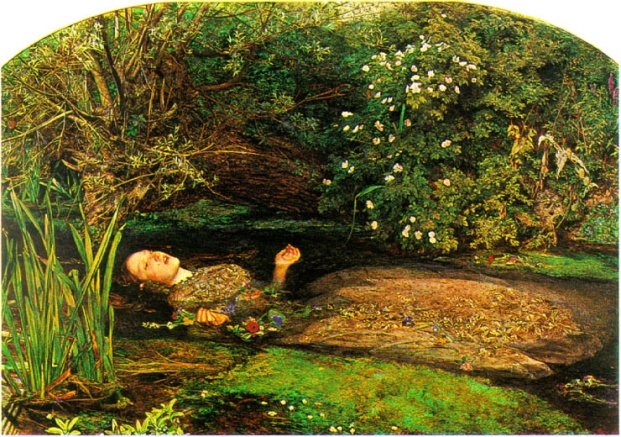
La troisième position est celle-ci : bien que le sujet ne doute pas un instant d’avoir à l’accomplir, pour quelque raison inconnue de lui cette tâche lui répugne. Autrement dit, c’est dans la tâche même et non pas - ni dans le sujet, ni dans ce qui se passe à l’extérieur. Inutile de dire que pour ce qui se passe à l’extérieur, il peut y avoir des versions beaucoup plus subtiles que celles que je vous ai amorcées pour déblayer.
第三种立场如下:主体虽然丝毫不怀疑自己必须完成这项任务,但出于某种他本人不知道的原因,这项任务令他反感。换言之,问题在任务本身之中,而既不在主体之中,也不在外部发生的事情中。毋庸赘言,对外部发生之事的解释,可以比我刚才为了清理场地而概述的版本精巧得多。
原文 · s6-14-0069
Il y a donc là une position essentiellement conflictuelle par rapport à la tâche elle-même. Et c’est de cette façon…
因此,这里存在一种相对于任务本身的、根本性的冲突位置。正是以这种方式……
原文 · s6-14-0070
en somme très solide et qui doit tout de même nous donner une leçon de méthode
这种方式归根结底十分坚实,终究应当给我们一堂方法课
原文 · s6-14-0071
…que JONES introduit la théorie analytique.
……琼斯引入了分析理论。
原文 · s6-14-0072
Il montre que la notion du conflit n’est pas du tout nouvelle, à savoir la contradiction interne à la tâche a déjà été apportée par un certain nombre d’auteurs qui ont très bien vu…
他表明,冲突这个概念一点也不新;也就是说,任务内在的矛盾已经由许多作者提出。他们十分清楚地看见……
原文 · s6-14-0073
comme LŒNING, si nous en croyons les citations que JONES en donne
如果我们相信琼斯对勒宁的引述
原文 · s6-14-0074
…qu’on peut saisir le caractère problématique, conflictuel, de la tâche à certains signes, dont on n’a pas attendu l’analyse pour s’apercevoir de leur caractère signalétique, à savoir la diversité, la multiplicité, la contradiction, la fausse consistance des raisons que peut donner le sujet d’atermoyer cette tâche, de ne pas l’accomplir au moment où elle se présente à lui.
……我们可以从某些征象中把握这项任务的问题性与冲突性;无须等到分析出现,人们便已注意到它们的信号性质:主体为了拖延这项任务、不在任务呈现之时完成它,给出的理由多种多样、数量繁多、相互矛盾,而且只有虚假的一致性。
原文 · s6-14-0075
La notion en somme du caractère superstructural, rationalisé, rationalisant des motifs que donne le sujet, avait déjà été aperçu par les psychologues bien avant l’analyse, et JONES sait très bien le mettre en valeur, en relief. Seulement, il s’agit de savoir où gît le conflit, dont les auteurs qui sont sur cette voie ne laissent pas d’apercevoir qu’il y a quelque chose qui se présente au premier plan, et une sorte de difficulté sous-jacente qui, sans être à proprement parler articulée comme inconsciente, est considérée comme plus profonde et en partie non maîtrisée, pas complètement élucidée ni aperçue par le sujet.
主体给出的动机具有上层建构的性质,是经过合理化、执行合理化的;早在分析以前,心理学家便已察觉这一点,而琼斯很懂得怎样把它凸显出来。只是,我们必须知道冲突位于何处。沿这条道路前进的作者已经隐约看见:前景中呈现出某种东西,而下面还有一重困难;它虽然没有严格地被表述为无意识,却被视为更深层、部分不受掌控的东西,主体既未完全澄清,也未完全察觉它。
原文 · s6-14-0076
Et la discussion de JONES présente ce caractère tout à fait caractéristique de ce qui, chez lui, donnera un des traits dont il sait le mieux faire usage dans ses articles qui ont joué le plus grand rôle pour rendre valable à un large public intellectuel la notion même d’inconscient. Il articule puissamment que ce que les auteurs, certains subtils, ont mis en valeur, c’est à savoir que le motif sous-jacent, contrariant pour l’action d’HAMLET, est par exemple un motif de droit, à savoir : a-t-il le droit de faire ceci ?
琼斯的讨论带有一个极为典型的特征。后来在他那些最有助于让广大知识公众接受无意识观念的文章中,这成为他最善于运用的特征之一。他有力地指出,一些颇为精细的作者凸显的,是阻碍哈姆雷特行动的潜在动机,例如一种权利层面的动机:他有权这样做吗?
原文 · s6-14-0077
Et Dieu sait si les auteurs allemands n’ont pas manqué…
天知道德国作者们并未错过机会……
原文 · s6-14-0078
surtout alors que ceci se passait en pleine période d’hégélianisme
尤其因为这发生在黑格尔主义全盛时期
原文 · s6-14-0079
…de faire état de toutes sortes de registres sur lesquels JONES a beau jeu d’ironiser, montrant que si quelque chose doit entrer dans les ressorts inconscients, ce ne sont pas des motifs d’ordre élevé, d’un haut caractère d’abstraction, faisant entrer en jeu la morale, l’État, le savoir absolu, mais qu’il doit y avoir quelque chose de beaucoup plus radical, de plus concret, et que ce dont il s’agit c’est précisément ce que JONES va alors produire.
……援引各种不同的层次;琼斯很容易对它们加以讽刺。他指出,如果某种东西必须进入无意识的动力,就不会是那些高阶的、具有高度抽象性质的动机——把道德、国家、绝对知识都牵涉进来——而必定是某种远为根本、远为具体的东西;这恰恰就是琼斯随后将提出的东西。
原文 · s6-14-0080
Puisque c’est à peu près vers cette année-là que commencent à s’introduire en Amérique les points de vue freudiens, c’est cette même année qu’il publie un compte-rendu de la théorie de FREUD sur les rêves, que FREUD donne son article sur les origines et le développement de la psychanalyse, directement écrit en anglais si mon souvenir est bon, puisqu’il s’agit des fameuses Conférences de la Clark University.
因为大约正是在那一年,弗洛伊德的观点开始进入美国;也是同一年,琼斯发表了对弗洛伊德梦理论的评述,而弗洛伊德则发表《精神分析的起源与发展》一文。如果我记得没错,那篇文章直接用英文写成,因为它就是著名的克拉克大学讲演。
原文 · s6-14-0081
Je crois qu’on ne peut pas toucher du doigt, dans une analyse qui va vraiment aussi loin qu’on peut aller à cette époque, qui met en valeur…
我认为,在一项真正走到当时所能达到的最远处的分析中,我们可以亲手触及这一点;它凸显了……
原文 · s6-14-0082
dans le texte de la pièce, dans le déroulement du drame, pour en montrer la signification œdipienne
戏剧文本和戏剧进程中的一切,以显示其俄狄浦斯意涵
原文 · s6-14-0083
…qui met en valeur ce que nous pouvons appeler « la structure mythique de l’œdipe ».
……它凸显了我们可以称作“俄狄浦斯的神话结构”的东西。
原文 · s6-14-0084
Je dois dire que nous ne sommes pas si débarbouillés mentalement que de pouvoir tous si aisément sourire de voir amener à propos d’HAMLET : TELESPHORE, AMPHION, MOÏSE, PHARAON, ZOROASTRE, JESUS, HERODE…
我必须说,我们头脑还没有清醒到如下程度:当人们围绕《哈姆雷特》搬来忒勒斯福洛斯、安菲翁、摩西、法老、琐罗亚斯德、耶稣、希律时,我们都能轻易付之一笑……
原文 · s6-14-0085
tout le monde vient dans le paquet
所有人都被装进这个包裹里
原文 · s6-14-0086
…et en fin de compte, ce qui est l’essentiel, deux auteurs qui ont écrit à peu près vers 1900 ont fait un Hamlet in Iran dans une revue fort connue, une référence du mythe d’HAMLET aux mythes iraniens qui sont autour de la légende de PYRRHUS, dont un autre auteur a fait aussi grand état dans une revue inconnue et introuvable [?]. L’important c’est que dans l’introduction par JONES, à la date de 1910, d’une nouvelle critique d’HAMLET, et d’une critique qui va consister toute entière à nous amener à cette conclusion :
……归根结底,关键在于:大约1900年,两位作者在一本颇知名的期刊上写过一篇《伊朗的哈姆雷特》,把哈姆雷特神话参照到围绕皮洛士传说形成的伊朗神话;另一位作者也曾在一本不知名、无法找到的期刊中大加讨论〔?〕。重要的是,1910年琼斯为《哈姆雷特》引入了一种新批评,而这种批评将全部引向如下结论:
原文 · s6-14-0087
« Nous arrivons à ce paradoxe apparent que le poète et l’audience sont tous deux profondément remués par des sentiments dus à un conflit de la source duquel ils ne sont pas conscients, ils ne sont pas éveillés, ils ne savent pas de quoi il s’agit. »
“我们抵达这样一个表面上的悖论:诗人与观众都被源自某种冲突的感情深深撼动,但他们没有意识到这场冲突的来源;他们尚未醒来,不知道这里涉及什么。”
原文 · s6-14-0088
Je pense qu’il est essentiel de remarquer le pas franchi à ce niveau. Je ne dis pas que ce soit le seul pas possible, mais que le premier pas analytique consiste à transformer une référence psychologique non pas en une référence à une psychologie plus profonde, mais en une référence à un arrangement mythique censé avoir le même sens pour tous les êtres humains.
我认为,必须注意到这里跨出的一步。我并不是说这一步是唯一可能的;但第一步分析操作,是把一种心理学参照转换成对某种神话配置的参照,而非转换成对更深层心理学的参照;据设想,这种神话配置对所有人都具有相同意义。
原文 · s6-14-0089
Et il faut tout de même bien quelque chose de plus, car HAMLET ce n’est tout de même pas les Pyrrhus Saga, les histoires de CYRUS avec CAMBYSE, ni de PERSÉE avec son grand-père ACRISIOS, c’est quand même autre chose. Si nous en parlons, ce n’est pas seulement parce qu’il y a eu des myriades de critiques, mais aussi parce que c’est intéressant de voir ce que cela fait d’HAMLET.
不过终究还必须有更多东西,因为《哈姆雷特》毕竟不是皮洛士萨迦,不是居鲁士与冈比西斯的故事,也不是珀尔修斯与其外祖父阿克里西俄斯的故事;它终究是另一种东西。我们谈论它,不仅因为围绕它有过成千上万的批评,也因为看看这种解释把《哈姆雷特》变成什么,颇有意思。
原文 · s6-14-0090
Vous n’en avez, en fin de compte, aucune espèce d’idée parce que, par une espèce de chose tout à fait curieuse, je crois pouvoir dire d’après ma propre expérience que c’est injouable en français. Je n’ai jamais vu un bon HAMLET en français, ni quelqu’un qui joue bien HAMLET, ni un texte qu’on puisse entendre.
说到底,你们对此毫无概念,因为存在一种十分奇怪的情况:根据我自己的经验,我想可以说,这部戏无法用法语演出。我从未看过一场优秀的法语《哈姆雷特》,未见过谁能演好哈姆雷特,也没有见过一份真正听得进去的法语文本。
原文 · s6-14-0091
Pour ceux qui lisent le texte, c’est quelque chose à tomber à la renverse, à mordre le tapis, à se rouler par terre, c’est quelque chose d’inimaginable ! Il n’y a pas un vers d’HAMLET, ni une réplique qui ne soit, en anglais, d’une puissance de percussion, de violence de termes qui en fait quelque chose où, à tout instant, on est absolument stupéfait. On croit que c’est écrit d’hier, qu’on ne pouvait pas écrire comme cela il y a trois siècles.
对阅读原文的人而言,它令人仰面跌倒、啃咬地毯、满地打滚,简直不可想象!《哈姆雷特》没有一句诗、没有一句台词不在英语中带着一种撞击力和用词的暴烈,使人每时每刻都绝对震惊。人们会以为它昨天才写成,无法相信三百年前竟能这样写作。
原文 · s6-14-0092
En Angleterre, c’est-à-dire là où la pièce est jouée dans sa langue, une représentation d’HAMLET, c’est toujours un événement. J’irai même plus loin…
在英国,也就是这部戏以原语言上演的地方,一场《哈姆雷特》永远是一桩盛事。我甚至还要走得更远……
原文 · s6-14-0093
parce qu’après tout on ne peut pas mesurer la tension psychologique du public, si ce n’est au bureau de location
因为归根结底,要衡量公众的心理张力,除了看票房也别无办法
原文 · s6-14-0094
…et je dirai ce que c’est pour les acteurs, ce qui nous enseigne doublement.
……我要谈谈它对演员意味着什么;这会给我们双重教导。
原文 · s6-14-0095
D’abord parce qu’il est tout à fait clair que jouer HAMLET pour un acteur anglais c’est le couronnement de sa carrière, et que lorsque ce n’est pas le couronnement de sa carrière, c’est tout de même qu’il veut se retirer avec bonheur, en donnant ainsi sa représentation d’adieu, même si son rôle consiste à jouer le premier fossoyeur. Il y a là quelque chose qui est important et nous aurons à nous apercevoir de ce que cela veut dire, car je ne le dis pas au hasard.
首先,很清楚,对英国演员而言,扮演哈姆雷特是其演艺生涯的加冕;如果不是加冕,那也是他想心满意足地隐退,以这场演出向观众告别——哪怕他的角色只是第一掘墓人。这里有某种重要的东西,我们必须看见它意味着什么,因为我并非随意说出这一点。
原文 · s6-14-0096
Il y a une chose curieuse, c’est qu’en fin de compte lorsque l’acteur anglais arrive à jouer HAMLET, il le joue bien, ils le jouent tous bien. Une chose encore plus étrange est que l’on parle de l’HAMLET de tel ou tel, d’autant d’HAMLET qu’il y a de grands acteurs. On évoque encore l’HAMLET de GARRICK, l’HAMLET de KENNS etc., c’est là aussi quelque chose d’extraordinairement indicatif.
有一件奇怪的事:说到底,英国演员一旦演到哈姆雷特,就会演得很好;他们全都演得很好。更奇怪的是,人们会谈论这个人的哈姆雷特、那个人的哈姆雷特;有多少伟大演员,就有多少个哈姆雷特。人们至今仍会提到加里克的哈姆雷特、肯斯的哈姆雷特等等;这也是某种极有指示性的现象。
原文 · s6-14-0097
S’il y a autant d’HAMLET qu’il y a de grands acteurs, je crois que c’est pour une raison analogue. Ce n’est pas la même parce que c’est autre chose de jouer HAMLET et d’être intéressé comme spectateur et comme critique. Mais la pointe de convergence de tout cela, ce qui frappe particulièrement et que je vous prie de retenir, c’est qu’on peut croire en fin de compte que c’est en raison de la structure du problème qu’HAMLET, comme tel, pose à propos du désir.
有多少伟大演员,就有多少个哈姆雷特;我认为,其原因同样与此相似,却并不完全相同,因为扮演哈姆雷特与作为观众或批评家对他感兴趣是两回事。但这一切的汇聚点——尤其令人瞩目,也请你们牢牢记住的——在于,我们最终可以认为,这是由于《哈姆雷特》本身围绕欲望提出的那个问题的结构。
原文 · s6-14-0098
À savoir, ce qui est la thèse que j’avance ici, qu’HAMLET fait jouer les différents plans, le cadre même auquel j’essaye de vous introduire ici, dans lequel vient se situer le désir.
也就是说,我在这里提出的论点是:《哈姆雷特》使不同层面运转起来,使我正试图向你们引入的整个框架运转起来;欲望正是在这个框架中获得定位。
原文 · s6-14-0099
C’est parce que cette place y est exceptionnellement bien articulée…
正因为这个位置在其中得到格外完善的表述……
原文 · s6-14-0100
aussi bien je dirais, de façon telle que tout un chacun y vient trouver sa place, vient s’y reconnaître
我甚至要说,其方式使每个人都能在那里找到自己的位置,都能在其中认出自己
原文 · s6-14-0101
…que l’appareil, *le filet de la pièce d’*HAMLET est cette espèce de réseau, de filet d’oiseleur où le désir de l’homme…
……所以,《哈姆雷特》这部戏的装置、它的网,才构成某种捕鸟人的罗网;人的欲望……
原文 · s6-14-0102
dans les coordonnées que justement FREUD nous découvre, à savoir son rapport à l’œdipe et à la castration
在弗洛伊德向我们揭示的坐标中,即欲望同俄狄浦斯及阉割的关系
原文 · s6-14-0103
…est là articulé essentiellement.
……在那里获得根本的表述。
原文 · s6-14-0104
Mais ceci suppose que ce n’est pas simplement une autre édition, un autre tirage de l’éternel type drame-conflit, de la lutte du héros contre le père, contre le tyran, contre le bon ou le mauvais père. Là, j’introduis des choses que nous allons voir se développer par la suite. C’est que les choses sont poussées par SHAKESPEARE à un point tel que ce qui est important ici, c’est de montrer les caractères atypiques du conflit, la façon modifiée dont se présente la structure fondamentale de l’éternelle saga que l’on retrouve depuis l’origine des âges.
但这预设,它并非永恒的戏剧—冲突类型的另一个版本、另一次印刷,并非主人公同父亲、同暴君、同好父亲或坏父亲的斗争。这里,我引入的是我们随后将看见逐渐展开的东西:莎士比亚把事情推到这样一个地步,以致重要的是显示冲突的非典型特征,显示那种自时代开端便不断重现的永恒萨迦的根本结构,怎样以经过改变的方式呈现出来。
原文 · s6-14-0105
par conséquent dans la fonction où, d’une certaine façon, les coordonnées de ce conflit sont modifiées par SHAKESPEARE de façon à pouvoir faire apparaître comment, dans ces conditions atypiques, vient jouer, de tout son caractère le plus essentiellement problématique, le problème du désir, pour autant que l’homme n’est pas simplement possédé, investi, mais que ce désir, il a à le situer, à le trouver.
因此,在这个功能中,莎士比亚以某种方式改变了冲突的坐标,从而显示:在这些非典型条件下,欲望问题怎样以其最为根本的问题性质全面运转起来。因为人并非仅仅被这种欲望占据、投注;他还必须定位它,找到它。
原文 · s6-14-0106
À le trouver à ses plus lourds dépens et à sa plus lourde peine, au point de ne pouvoir le trouver qu’à la limite, à savoir dans une action qui ne peut pour lui s’achever, se réaliser, qu’à condition d’être mortel. Ceci nous incite à regarder de plus près le déroulement de la pièce. Je ne voudrais pas trop vous faire tarder, mais il faut quand même que j’en mette les traits saillants principaux.
他必须以最沉重的代价、最艰巨的痛苦去找到它,甚至只能在极限处找到,也就是在一个对他而言唯有以致命为条件才能完成、才能实现的行动中找到。这促使我们更仔细地考察戏剧的进程。我不想拖得太久,但仍必须标出其中最主要的突出特征。
原文 · s6-14-0107
L’acte I concerne quelque chose qu’on peut appeler l’introduction du problème, et là tout de même, au point de recoupement, d’accumulation, de confusion où tourne la pièce, il faut bien quand même que nous revenions à quelque chose de simple qui est le texte. Nous allons voir que cette composition mérite d’être retenue, qu’elle n’est pas quelque chose qui flotte ni qui aille à droite ou à gauche.
第一幕涉及我们可以称为问题之引入的东西。在这部戏旋转不息的交叉、累积与混乱之点,我们终究必须回到某种简单的东西,也就是文本。我们会看到,这一构造值得记住;它并非漂浮不定,也并非忽左忽右。
原文 · s6-14-0108
Comme vous le savez, les choses s’ouvrent sur une garde, une relève de la garde sur la terrasse d’Elseneur, et je dois dire que c’est une des entrées les plus magistrales de toutes les pièces de SHAKESPEARE, car toutes ne sont pas aussi magistrales à l’entrée.
如你们所知,事情以一场守夜开场:埃尔西诺城堡露台上的卫兵换岗。我必须说,这是莎士比亚所有戏剧中最为高明的开场之一;因为并非每部戏都以如此高明的方式开场。
原文 · s6-14-0109
C’est à minuit que se fait la relève, une relève où il y a des choses très jolies, très frappantes. Ainsi c’est ceux qui viennent pour la relève qui demandent « Qui est là ? », alors que ce devrait être le contraire.
换岗发生在午夜,里面有一些很漂亮、很醒目的细节。例如,前来接岗的人问道:“谁在那里?”尽管本来应当反过来才对。
原文 · s6-14-0110
C’est qu’en effet, tout se passe anormalement, ils sont tous angoissés par quelque chose qu’ils attendent, et cette chose ne se fait pas attendre plus de quarante vers.
事实上,一切都以反常方式发生;他们全都因为等待某种东西而焦虑,而那东西不到四十行便出现了。
原文 · s6-14-0111
Alors qu’il est minuit quand la relève a lieu, une heure sonne à une cloche lorsque le spectre apparaît. Et à partir du moment où le spectre apparaît, nous sommes entrés dans un mouvement fort rapide avec d’assez curieuses stagnations.
换岗时正值午夜;幽灵出现时,钟声敲响一点。从幽灵出现的时刻起,我们便进入一种极其迅速的运动,其中又有一些颇为奇怪的停滞。
原文 · s6-14-0112
Tout de suite après, la scène où apparaissent le roi et la reine, le roi dit qu’il est tout à fait temps de quitter notre deuil, « Nous pouvons pleurer d’un œil, mais rions de l’autre », et où HAMLET qui est là, fait apparaître ses sentiments de révolte devant la rapidité du remariage de sa mère et du fait qu’elle s’est remariée avec quelqu’un qui, auprès de ce qu’était son père, est un personnage absolument inférieur.
紧接着的一场中,国王与王后出现。国王说,现在完全该摆脱哀悼了,“我们可以一只眼睛哭,另一只眼睛笑。”在场的哈姆雷特则显露出反抗之情:母亲如此迅速再婚,而且嫁给一个与父亲相比绝对低劣的人物。
原文 · s6-14-0113
À tout instant dans les propos d’HAMLET nous verrons mise en valeur l’exaltation de son père comme d’un être dont il dira plus tard que :
我们将不断在哈姆雷特的话语中看到他对父亲的推崇;后来他会说,父亲是这样一个人:
原文 · s6-14-0114
« Tous les dieux semblaient avoir sur lui marqué leurs sceaux, pour montrer jusqu’où la perfection d’un homme pouvait être portée. »
“所有神明仿佛都在他身上盖下印记,向世人显示一个人的完美可以达到何种程度。”
原文 · s6-14-0115
C’est sensiblement plus tard dans le texte que cette phrase sera dite par HAMLET, mais dès la première scène, il y a des mots analogues. C’est essentiellement dans cette sorte de trahison, et aussi de déchéance…
这句话要到文本中相当靠后才由哈姆雷特说出,但第一场中已经有类似的话。他出现时,根本上处于这种背叛和堕落之中……
原文 · s6-14-0116
sentiments que lui inspire la conduite de sa mère, ce mariage hâtif, deux mois, nous dit-on, après la mort de son père
这些感受来自母亲的行为,来自这场仓促的婚姻;据说那发生在父亲去世两个月以后
原文 · s6-14-0117
…qu’HAMLET se présente. C’est là le fameux dialogue avec HORATIO :
……这里便是他同贺拉斯那段著名的对话:
原文 · s6-14-0118
- « Économie, économie ! Le rôti des funérailles n’aura pas le temps de refroidir pour servir au repas des noces. »
- “节省,节省!葬礼上的烤肉还来不及冷透,便能端上婚宴。”
原文 · s6-14-0119
Je n’ai pas besoin de rappeler ces thèmes célèbres. Ensuite, tout de suite, nous avons l’introduction de deux personnages, OPHÉLIE et POLONIUS. Et ceci à propos d’une sorte de petite mercuriale que LAERTE…
我无须提醒你们这些著名主题。随后,奥菲莉娅与波洛涅斯两个人物立即登场。这源于雷欧提斯对奥菲莉娅的一番小小训诫……
原文 · s6-14-0120
qui est un personnage tout à fait important dans notre histoire d’HAMLET, dont on a voulu faire – nous y viendrons – quelqu’un qui joue un certain rôle par rapport à HAMLET dans le déroulement mythique de l’histoire, et à juste titre bien entendu
雷欧提斯在我们的《哈姆雷特》故事中是一个十分重要的人物;有人想把他视为一个在故事的神话进程中相对于哈姆雷特扮演某种角色的人——我们会谈到这一点——而且当然不无道理
原文 · s6-14-0121
…adresse à OPHÉLIE qui est la jeune fille dont HAMLET fut - comme il le dit lui-même - amoureux, et qu’actuellement, dans l’état où il est, il repousse avec beaucoup de sarcasmes. POLONIUS et LAERTE se succèdent auprès de cette malheureuse OPHÉLIE pour lui donner tous les sermons de la prudence, pour l’inviter à se méfier de cet HAMLET.
……奥菲莉娅就是那个哈姆雷特曾经爱过的少女——正如他自己所说——而在他目前的状态中,他以极多讥讽拒斥她。波洛涅斯与雷欧提斯先后围绕这个不幸的奥菲莉娅,向她讲尽谨慎的训诫,劝她提防这个哈姆雷特。
原文 · s6-14-0122
Vient ensuite la quatrième scène. La rencontre sur la terrasse d’Elseneur d’HAMLET - qui a été rejoint par HORATIO - avec le spectre de son père. Dans cette rencontre il se montre passionné, courageux puisqu’il n’hésite pas à suivre le spectre dans le coin où le spectre l’entraîne, à avoir avec lui un dialogue assez horrifiant. Et je souligne que le caractère d’horreur est articulé par le spectre lui–même : il ne peut pas révéler à HAMLET l’horreur et l’abomination du lieu où il vit et de ce qu’il souffre, car ses organes mortels ne pourraient le supporter.
随后来到第四场。哈姆雷特——贺拉斯已经同他会合——在埃尔西诺的露台上遇见父亲的幽灵。这场相遇中,他表现得热情而勇敢;他毫不迟疑地跟随幽灵,走向幽灵引他前往的角落,同它进行一番颇为恐怖的对话。我要强调,恐怖性质是由幽灵亲口表述的:它无法向哈姆雷特揭示自己所居之地以及自身所受痛苦的恐怖与可憎,因为他凡人的器官无法承受。
原文 · s6-14-0123
Et il lui donne une consigne, un commandement. Il est intéressant de noter tout de suite que le commandement consiste en ce que, de quelque façon qu’il s’y prenne, il ait à faire cesser le scandale de la luxure de la reine, et qu’en tout ceci, au reste, il contienne ses pensées et ses mouvements, qu’il n’aille pas se laisser aller à je ne sais quels excès concernant des pensées à l’endroit de sa mère. Bien sûr les auteurs ont fait grand état de cette espèce d’arrière-plan trouble dans les consignes données par le spectre à HAMLET, d’avoir en somme à se garder de lui-même dans ses rapports avec sa mère.
幽灵给他一道指令、一道命令。值得立即注意的是:这道命令要求他无论采取何种办法,都必须终结王后淫欲所造成的丑闻;而在这一切之中,他还须克制自己的思想与冲动,不可任由自己对母亲产生某种过激念头。作者们当然极为重视幽灵给哈姆雷特的指令中这种暧昧背景:归根结底,他必须提防自己同母亲的关系。
原文 · s6-14-0124
Mais il y a une chose dont il ne semble pas qu’on ait articulé ce dont il s’agissait, qu’en somme d’ores et déjà et tout de suite, c’est autour d’une question à résoudre : que faire par rapport à quelque chose qui apparaît ici être l’essentiel, malgré l’horreur de ce qui est articulé, les accusations formellement prononcées par le spectre contre le personnage de CLAUDIUS, c’est-à-dire l’assassin. C’est là qu’il révèle à son fils qu’il a été tué par lui.
但似乎从来没有人把其中真正涉及的东西表述出来:从一开始、立即便是围绕一个有待解决的问题——相对于某种在这里显得根本的东西,究竟该怎么办?幽灵话语的恐怖、它对克劳狄斯这个凶手的正式控诉,都不能掩盖这一点。正是在这里,幽灵向儿子揭示:自己遭克劳狄斯杀害。
原文 · s6-14-0125
La consigne que donne le ghost n’est pas une consigne en elle-même, c’est quelque chose qui d’ores et déjà met au premier plan, et comme tel, le désir de la mère. C’est absolument essentiel, d’ailleurs nous y reviendrons. Le deuxième acte est constitué par ce qu’on peut appeler l’organisation de la surveillance autour d’HAMLET.
幽灵给出的指令本身并不是一道指令;它从一开始便把母亲的欲望本身放在前景。这绝对关键,我们稍后还会回来。第二幕由我们可以称作围绕哈姆雷特组织监视的东西构成。
原文 · s6-14-0126
Nous en avons en somme, une sorte de prodrome sous la forme… c’est assez amusant et cela montre le caractère de doublet du groupe POLONIUS, LAERTE, OPHÉLIE, par rapport au groupe HAMLET, CLAUDIUS et LA REINE …des instructions que POLONIUS, premier ministre, donne à quelqu’un pour la surveillance de son fils qui est parti à Paris. Il lui dit comment il faut procéder pour se renseigner sur son fils. Il y a là une espèce de petit morceau de bravoure du genre vérités éternelles de la police, sur lequel je n’ai pas à insister.
可以说,我们首先看见一种前兆,其形式……这颇有意思,也显示了波洛涅斯—雷欧提斯—奥菲莉娅这个群组相对于哈姆雷特—克劳狄斯—王后这个群组的复本性质……是首相波洛涅斯向某个人发出指示,让他监视已经前往巴黎的儿子。他告诉那个人,应当怎样打探儿子的消息。这里有一小段精彩表演,属于警察的永恒真理,我无须详谈。
原文 · s6-14-0127
Puis interviennent - c’est déjà préparé au 1er acte - GUILDENSTERN et ROSENCRANTZ, qui ne sont pas simplement les personnages soufflés qu’on pense. Ce sont des personnages qui sont d’anciens amis d’HAMLET. Et HAMLET…
随后——第一幕已经为此作好准备——吉尔登斯吞与罗森格兰兹介入。他们并非人们所以为的那种干瘪人物;他们是哈姆雷特昔日的朋友。而哈姆雷特……
原文 · s6-14-0128
qui se méfie d’eux, qui les raille, les tourne en dérision, les déroute et joue avec eux un jeu extrêmement subtil sous l’apparence de la folie - nous verrons aussi ce que veux dire ce problème de la folie ou pseudo-folie d’HAMLET
他不信任他们,嘲弄他们,把他们变成笑柄,令他们不知所措,并且借疯狂的外表同他们玩一场极其精巧的游戏——我们还会看到哈姆雷特的疯狂或伪疯狂问题意味着什么
原文 · s6-14-0129
…fait véritablement appel, à un moment, à leur vieille et ancienne amitié, avec un ton et un accent qui lui aussi mériterait d’être mis en valeur si nous avions le temps, et qui mérite d’être retenu, qui prouve qu’il le fait sans aucune confiance.
……在某一时刻确实诉诸他们久远的旧日友谊,语调和口吻也同样值得凸显——如果我们有时间的话——值得记住;然而这恰好证明,他这样做时毫无信任。
原文 · s6-14-0130
Et il ne perd pas un seul instant sa position de ruse et de jeu avec eux, pourtant, il y a un moment où il peut leur parler sur ce certain ton. ROSENCRANTZ et GUILDENSTERN sont, en venant le sonder, les véhicules du roi, et c’est bien ce que sent HAMLET qui les incite vraiment à lui avouer :
他没有一刻放弃对他们保持机巧与游戏的位置;不过有一个时刻,他能以这种特定语调同他们说话。罗森格兰兹和吉尔登斯吞前来探查他,是国王的工具;哈姆雷特完全感觉到了这一点,因此迫使他们真正承认:
原文 · s6-14-0131
- « Êtes-vous envoyés près de moi ? Qu’avez-vous à faire près de moi ? »
- “你们是被派到我身边来的吗?你们到我这里来做什么?”
原文 · s6-14-0132
Et les autres sont suffisamment ébranlés pour qu’un deux demande à l’autre :
两个人被撼动得如此厉害,以致其中一人问另一个:
原文 · s6-14-0133
- « Qu’est-ce qu’on lui dit ? »
- “我们该对他说什么?”
原文 · s6-14-0134
Mais cela passe, car tout toujours se passe d’une certaine façon, c’est-à-dire pour que jamais ne soit franchi un certain mur qui détendrait une situation qui apparaît essentiellement, et d’un bout à l’autre, nouée. À ce moment ROSENCRANTZ et GUILDENSTERN introduisent les comédiens qu’ils ont rencontrés en route et qu’HAMLET connaît. HAMLET s’est toujours intéressé au théâtre et, ces comédiens, il va les accueillir d’une façon qui est remarquable. Là aussi il faudrait lire les premiers échantillons qu’ils lui donnent de leur talent.
但事情就这样过去了,因为一切总以某种方式发生,也就是说,某一道墙从来没有被跨越;跨越它本可松开一个从头至尾都显得紧紧打结的局面。就在这时,罗森格兰兹与吉尔登斯吞带来了他们在路上遇见、而哈姆雷特也认识的戏班。哈姆雷特一向对戏剧感兴趣;他以一种引人注目的方式接待这些演员。这里也应当读一读他们向他展示才艺的最初片段。
原文 · s6-14-0135
L’un portant sur une tragédie concernant la fin de Troie, le meurtre de PRIAM – et concernant ce meurtre, nous avons une scène fort belle en anglais, où nous voyons PYRRHUS suspendre un poignard au-dessus du personnage de PRIAM, et rester ainsi:
其中一段来自讲述特洛伊陷落、普里阿摩斯被杀的悲剧。围绕这场谋杀,英语原文中有一段极美的场景:我们看见皮洛士把匕首悬在普里阿摩斯头顶,停在那里:
原文 · s6-14-0136
« So as a painted tyrant, Pyrrhus stood And like a neutral to bis will and matter, Did nothing. » « C’est ainsi que, comme un tyran en peinture, Pyrrhus s’arrêta Et, comme neutralisé entre sa volonté et ce qu’il y avait à faire, Ne fit rien. »
“So as a painted tyrant, Pyrrhus stood / And like a neutral to his will and matter, / Did nothing.”
“就这样,皮洛士如同画中的暴君一般停住;仿佛中立于自己的意志与应做之事之间,什么也没有做。”
原文 · s6-14-0137
Comme c’est un des thèmes fondamentaux de l’affaire, cela mérite d’être relevé dans cette première image, celle des comédiens à propos desquels va venir, chez notre HAMLET, l’idée de les utiliser dans ce qui va constituer le corps du troisième acte - ceci est absolument essentiel - ce que les anglais appellent d’un terme stéréotypé, « the play scene », « le théâtre sur le théâtre ». HAMLET là conclut:
既然这是整件事的根本主题之一,便值得在演员给出的第一幅图景中把它标出来。我们的哈姆雷特随后会想到利用这些演员,构成第三幕的主体——这一点绝对关键——即英语用固定说法称作“the play scene”的场景,也就是“戏中戏”。哈姆雷特在那里总结道:
原文 · s6-14-0138
- « The play’s the thing Wherein I’ll catch the conscience of the king. »3
- “The play’s the thing / Wherein I’ll catch the conscience of the king.”〔“戏剧就是那张罗网,我要用它捕捉国王的良心。”〕[注3]
[注3] 《哈姆雷特》第二幕第二场。
原文 · s6-14-0139
Cette espèce de bruit de cymbales qui termine là une longue tirade d’HAMLET qui est écrite toute entière en vers blancs [ vers non rimés ], je le signale, et où nous trouvons ce couple de rimes, est quelque chose qui a toute sa valeur introductive. Je veux dire que c’est là-dessus que se termine le deuxième acte et que le troisième, où va justement se réaliser « the play scene », est introduit. Ce monologue est essentiel. Par là nous voyons,
这阵钹声般的句子结束了哈姆雷特的一段长独白。我要指出,整段独白都用无韵诗〔不押韵的诗行〕写成,却在这里出现这一对押韵句;它具有充分的引入价值。我的意思是,第二幕以此结束,而那个“戏中戏场景”正将在第三幕实现,第三幕也由此得到引入。这段独白至关重要。通过它,我们同时看见:
原文 · s6-14-0140
- et la violence des sentiments d’HAMLET,
- 哈姆雷特感情的激烈;
原文 · s6-14-0141
- et la violence des accusations qu’il porte contre lui-même d’une part :
- 以及另一方面,他对自己发出的猛烈控诉:
原文 · s6-14-0142
« Am I a coward ?
“Am I a coward?〔我是个懦夫吗?〕
原文 · s6-14-0143
Who calls me villain ? breaks my pate across ?
Plucks off my beard and blows it in my face ?
Tweaks me by th’ nose ? gives me the lie i’ th’ throat
As deep as to the lungs ? Who dœs me this, ha ? »
谁骂我是恶棍?谁敲破我的脑壳?
谁拔下我的胡须,吹到我的脸上?
谁扭我的鼻子?谁当面说我撒谎,
把这句话从喉咙塞进肺腑?谁敢这样对我,嗯?”
原文 · s6-14-0144
« Suis-je un lâche ? Qui m’appelle à l’occasion vilain ? Qui est-ce qui me démolit la caboche ? Qui est-ce qui m’arrache la barbe, et m’en jette des petits morceaux à la face ? Qui est-ce qui me tord le nez ? Qui est-ce qui m’enfonce dans la gorge mes mensonges jusqu’au niveau des poumons ? Qui est-ce qui me fait tout cela ? »
“我是个懦夫吗?谁敢当面骂我是恶棍?谁打碎我的脑袋?谁拔下我的胡须,把碎屑扔在我脸上?谁扭我的鼻子?谁把说我撒谎的话顺着喉咙一直塞进肺里?是谁敢这样对我?”
原文 · s6-14-0145
Cela nous donne le style général de cette pièce qui est à se rouler par terre. Et tout de suite après, il parle de son beau-père actuel
这让我们看见这部令人满地打滚的戏剧之总体风格。紧接着,他谈到自己现在的继父:
原文 · s6-14-0146
« Swounds, I should take it ! for it cannot be
But I am pigeon-liver’d and lack gall
To make oppression bitter, or ere this
I should have fatted all the region kites
With this slave’s offal. » 4
[注4] 勒图尔纳译作:“否则,我早已把这个恶棍的尸体交给秃鹫。”《哈姆雷特》第二幕第二场。
“天哪,我一定会忍受!因为我必定胆小如鸽,缺少胆汁,不能让压迫尝到苦味;否则,我早已用这个奴才的脏腑,把这一带所有的鸢都喂肥了。”[注4]
原文 · s6-14-0147
Nous avions parlé de ces « kites », à propos d’Un souvenir de Léonard de Vinci. Je pense que c’est une sorte de milan. Il s’agit de son beau-père et de cette victime, et de cet esclave fait pour être, justement, offert en victime aux muses.
我们在讨论《列奥纳多·达·芬奇的童年回忆》时曾谈到这些“kites”;我想,那是一种鸢。这里涉及他的继父,涉及这个牺牲品、这个恰恰注定要作为牺牲献给缪斯的奴才。
原文 · s6-14-0148
Et là commence une série d’injures :
接着,一连串辱骂开始了:
原文 · s6-14-0149
- « Bloody bawdy villain !
Remorseless, treacherous, lecherous, kindless villain ! »
- “嗜血淫荡的恶棍!
无悔、奸诈、好色、灭绝人性的恶棍!”
原文 · s6-14-0150
« Sanglant, putassier vilain! Sans remord, très bas et ignoble vilain ! »
“血淋淋、拉皮条的恶棍!毫无悔意、卑劣无耻的恶棍!”
原文 · s6-14-0151
Mais ces cris, ces injures, s’adressent tout autant à lui qu’à celui auquel l’entend le contexte. Ce point est tout à fait important, c’est le culmen du deuxième acte. Et ce qui constitue l’essentiel de son désespoir est ceci : qu’il a vu les acteurs pleurer en décrivant le triste sort d’HÉCUBE devant laquelle on découpe en petits morceaux son PRIAM de mari.
但这些喊叫、这些辱骂既朝向他自己,也朝向语境让我们理解的那个人。这一点十分重要,是第二幕的顶点。他绝望的根本原因在于:他看到演员们讲述赫卡柏的悲惨命运时流下眼泪;她的丈夫普里阿摩斯就在她眼前被切成碎片。
原文 · s6-14-0152
Car après avoir longtemps gardé la position figée, son poignard suspendu, le PYRRHUS prend un plaisir malicieux…
因为皮洛士长久保持僵住的姿势、匕首悬空以后,开始带着恶意的快感……
原文 · s6-14-0153
c’est le texte qui nous le dit :
原文就是这样告诉我们的:
原文 · s6-14-0154
« When she saw Pyrrhus make malicious sport In Mincing with his sword her husband’s limbs »
“When she saw Pyrrhus make malicious sport / In mincing with his sword her husband’s limbs.”
“当她看见皮洛士怀着恶意取乐,挥剑把她丈夫的肢体细细切碎。”
原文 · s6-14-0155
…à découper…
……切碎……
原文 · s6-14-0156
« mincing » est, je pense, le même mot qu’« émincer » en français
我想,mincing 与法语的 *émincer〔切成薄片〕*是同一个词
原文 · s6-14-0157
…devant cette femme…
……就在这个女人眼前……
原文 · s6-14-0158
qu’on nous décrit très bien enroulée dans je ne sais quelle sorte d’édredon autour de ses flancs efflanqués
她被描写得十分清楚:瘦削的腰腹裹在某种不知什么样的鸭绒被里
原文 · s6-14-0159
…le corps de PRIAM.
……切碎普里阿摩斯的身体。
原文 · s6-14-0160
Le thème c’est tout cela pour HÉCUBE, mais qu’est-ce que HÉCUBE pour ces gens ? Voilà des gens qui en viennent à cette extrémité d’émotion pour quelque chose qui ne les concerne en rien.
整个主题是:这一切都是为了赫卡柏,可赫卡柏同这些人有什么关系?这些人竟为与自己毫不相干的事情激动到这种极端程度。
原文 · s6-14-0161
C’est là que se déclenche pour HAMLET ce désespoir de ne rien ressentir d’équivalent. Ceci est important pour introduire ce dont il s’agit, c’est-à-dire ce « play scene » dont il donne la raison. Comme attrapé dans l’atmosphère, il semble s’apercevoir tout d’un coup de ce qu’on peut en faire. Quelle est la raison qui le pousse ? Assurément il y a là une motivation rationnelle : « attraper la conscience du roi ». C’est-à-dire, en faisant jouer cette pièce avec quelques modifications introduites par lui-même, s’apercevoir de ce qui va émouvoir le roi, le faire se trahir.
哈姆雷特正是在这里突然陷入绝望,因为自己丝毫感受不到相同的东西。这对引入问题十分重要,也就是引入他为之说明理由的“戏中戏场景”。仿佛被氛围捕获,他突然发现这些演员能派上什么用场。是什么理由推动他?当然,这里有一种理性动机:“捕捉国王的良心”。也就是说,让他们演出这部经过他本人若干改动的戏,从而观察什么会触动国王,迫使国王暴露自己。
原文 · s6-14-0162
Et en effet, c’est ainsi que les choses se passent, à un moment, avec un grand bruit, le roi ne peut plus y tenir. On lui représente d’une façon tellement exacte le crime qu’il a commis, avec commentaires d’HAMLET, qu’il fait brusquement : « Lumières, lumières… » et qu’il s’en va avec un grand bruit, et qu’HAMLET dit à HORATIO : « Il n’y a plus de doute. ». Ceci est essentiel.
事情确实如此发生:到了某一刻,伴随一阵巨响,国王再也承受不住。人们极其精确地在他面前重演他犯下的罪行,哈姆雷特还从旁评论;他突然喊道:“点灯,点灯……”随后喧闹地离开。哈姆雷特对贺拉斯说:“再无疑问。”这一点至关重要。
原文 · s6-14-0163
Et je ne suis pas le premier à avoir posé - dans le registre analytique qui est le nôtre - la question de la fonction de ce « play scene ». RANK l’a fait avant moi dans un article qui s’appelle Das « Schauspiel » in Hamlet, paru dans Psychoanalytische Bewegung Myth, en 1919, à Vienne-Leipzig, pages 72 à 85. La fonction de ce « Schauspiel » a été articulée par RANK d’une certaine façon sur laquelle nous aurons à revenir. Il est clair de toute façon qu’elle pose un problème qui va au-delà de son rôle fonctionnel dans l’articulation de la pièce.
在我们所处的分析层次中,我并非第一个提出这个“戏中戏场景”有何功能的人。兰克早在我以前便提出过;他有一篇文章题为《〈哈姆雷特〉中的“戏剧”》(Das “Schauspiel” in Hamlet),1919年发表于维也纳—莱比锡的《精神分析运动与神话》,第72—85页。兰克以某种特定方式表述这个“Schauspiel”的功能,我们还会回到那里。无论如何,很清楚,它提出了一个超出其在戏剧编排中功能性角色的问题。
原文 · s6-14-0164
Beaucoup de détails montrent qu’il s’agit tout de même de savoir jusqu’où et comment nous pouvons interpréter ces détails. C’est à savoir, s’il nous suffit de faire ce dont RANK se contente, c’est-à-dire d’y relever tous les traits qui montrent que dans la structure même du fait de regarder une pièce, il y a quelque chose qui évoque les premières observations par l’enfant de la copulation parentale. C’est la position que prend RANK, je ne dis pas qu’elle soit sans valeur, ni même qu’elle soit fausse, je crois qu’elle est incomplète et qu’en tout cas, elle mérite d’être articulée dans l’ensemble du mouvement.
许多细节表明,我们终究必须知道可以把这些细节解释到什么程度、怎样解释。也就是说,像兰克那样满足于如下做法是否足够:从中找出一切特征,证明观看一部戏的结构本身带有某种东西,唤起儿童最初观察父母交媾的情景?这就是兰克采取的立场。我并不是说它毫无价值,甚至也不是说它是错误的;我认为它并不完整,而且无论如何,值得放进整个运动中加以表述。
原文 · s6-14-0165
À savoir dans ce par quoi HAMLET essaye d’ordonner, de donner une structure, de donner justement cette dimension que j’ai appelée quelque part : « de la vérité déguisée, sa structure de fiction » par rapport à quoi seulement il trouve à se réorienter, au-delà du caractère plus ou moins efficace de l’action, pour faire se dévoiler, se trahir CLAUDIUS. Il y a quelque chose ici, et RANK a touché un point juste en ce qui concerne sa propre orientation par rapport à lui-même. Je ne fais que l’indiquer pour montrer l’intérêt des problèmes qui sont ici soulevés.
也就是说,哈姆雷特试图借此整理、赋予结构,恰恰赋予我曾在某处称作“乔装的真理、它的虚构结构”的那个维度。只有相对于这个维度,他才得以重新定向;至于让克劳狄斯揭露、暴露自己这一行动究竟多么有效,反倒是次要的。这里有某种东西,而兰克触及了一个确切之点:它关系到哈姆雷特相对于自身的定向。我仅仅指出这一点,以显示这里提出的问题何其有意义。
原文 · s6-14-0166
Les choses ne vont pas tout simplement, et le troisième acte ne s’achève pas sans que les suites de cette articulation n’apparaissent sous la forme suivante : c’est qu’il est convoqué, HAMLET, de toute urgence auprès de la mère qui, bien entendu, n’en peut plus…
事情并不简单;第三幕结束以前,这一表述的后果会以如下形式出现:哈姆雷特被紧急召到母亲身边,因为她当然再也承受不住……
原文 · s6-14-0167
c’est littéralement les mots qui sont employés : « …speak no more ! »
原文按字面就是:“……别再说了!”
原文 · s6-14-0168
…et qu’au cours de cette scène, il voit CLAUDIUS, alors qu’il marche vers l’appartement de sa mère, en train de venir, sinon à résipiscence du moins à repentir, et que nous assistons à toute la scène dite de « la prière repentante » de cet homme qui se trouve ici en quelque sorte pris dans les rets mêmes de ce qu’il garde, les fruits de son crime, et qui élève vers Dieu je ne sais quelle prière, d’avoir la force de s’en dépêtrer.
……在这场戏中,哈姆雷特走向母亲的寝室时,看见克劳狄斯即使并未真正悔过,至少已开始忏悔。我们于是见到那场所谓的“忏悔祈祷”:此人仿佛被自己所保有之物、被罪行的果实本身捕入网中;他向上帝发出不知怎样的祈祷,请求获得摆脱这一切的力量。
原文 · s6-14-0169
Et le surprenant littéralement à genoux et à sa merci, sans être vu par le roi, HAMLET a la vengeance à sa portée. C’est là qu’il s’arrête avec cette réflexion : estce qu’en le tuant maintenant il ne va pas l’envoyer au ciel, alors que son père a beaucoup insisté sur le fait qu’il souffrait tous les tourments d’on ne sait pas très bien quel enfer ou quel purgatoire ? Est-ce qu’il ne va pas l’envoyer droit au bonheur éternel ? C’est justement ce qu’il ne faut pas que je fasse !
哈姆雷特突然看见他跪在那里,完全任凭自己宰割;国王并未看见哈姆雷特,复仇已唾手可得。但他在这里因如下思考停下来:如果现在杀死克劳狄斯,岂不是要把他送进天堂?而父亲曾反复强调,自己正在承受某个说不清楚的地狱或炼狱里的一切折磨。难道哈姆雷特要把克劳狄斯直接送进永恒幸福?这恰恰是我绝不能做的事!
原文 · s6-14-0170
C’était bien l’occasion de régler l’affaire, et je dirai même que tout est là de « To be or not to be » qui - je vous l’ai introduit la dernière fois, ce n’est pas pour rien - est essentiel à mes yeux. L’essentiel est là en effet tout entier, je veux dire qu’en raison du fait que ce qui est arrivé au père, c’est justement ceci : de venir nous dire qu’il est figé à tout jamais dans ce moment, cette barre tirée au bas des comptes de la vie fait qu’il reste en somme identique à la somme de ses crimes. C’est là aussi ce devant quoi HAMLET s’est arrêté avec son « To be or not to be ».
这本是解决事情的大好机会;我甚至要说,“生存还是毁灭/是还是不是”的一切都在这里。上次我引入这句话并非偶然;在我眼中,它至关重要。根本之点确实全部在这里:父亲所遭遇的,恰恰是前来告诉我们,他已经永远凝固在那个时刻;生命账目底部划下的结算线,使他归根结底始终等同于自己罪行的总和。哈姆雷特也正是在这个东西面前,带着自己的“生存还是毁灭/是还是不是”停下脚步。
原文 · s6-14-0171
Le suicide, ce n’est pas si simple. Nous ne sommes pas tellement en train de rêver avec lui à ce qui se passe dans l’au-delà, mais simplement ceci, c’est que de mettre le point terminal à quelque chose n’empêche pas que l’être reste identique à tout ce qu’il articulait par le discours de sa vie, et que là il n’y a pas de « To be or not to be », que le « To be », quoi qu’il en soit, reste éternel.
自杀并不那么简单。我们并非同他一道幻想来世会发生什么;这里仅仅涉及:为某种东西画上句点,并不能阻止存在者继续等同于他一生话语所表述的一切。在那里,并没有“生存还是毁灭/是还是不是”;无论如何,“存在”永远存留。
原文 · s6-14-0172
Et c’est justement pour lui aussi, HAMLET, être confronté avec cela, c’est-à-dire n’être pas purement et simplement le véhicule du drame, celui à travers lequel passent les passions, celui qui - comme ÉTÉOCLE et POLYNICE - continue dans le crime ce que le père a achevé dans la castration.
对哈姆雷特本人而言,问题恰恰也是面对这一点,也就是不能纯粹而简单地充当戏剧的载体、激情穿越其身之人;不能像厄忒俄克勒斯与波吕涅克斯那样,在罪行中延续父亲在阉割中完成的东西。
原文 · s6-14-0173
C’est parce que justement, il se préoccupe du « To be » éternel dudit CLAUDIUS que, d’une façon tout à fait cohérente en effet à ce moment là, il ne tire même pas son épée du fourreau. Ceci est en effet un point clef, un point essentiel. Ce qu’il veut, c’est attendre, surprendre l’autre dans l’excès de ses plaisirs, autrement dit dans sa situation toujours par rapport à cette mère qui est là le point clef, à savoir ce désir de la mère, et qu’il va avoir en effet avec la mère cette scène pathétique, une des choses les plus extraordinaires qui puisse être donnée, cette scène où est montré à elle–même le miroir de ce qu’elle est, et où, entre ce fils qui incontestablement aime sa mère comme sa mère l’aime – ceci nous est dit – au-delà de toute expression, se produit ce dialogue dans lequel il l’incite, à proprement parler à rompre les liens de ce qu’il appelle « ce monstre damné de l’habitude » :
正因为他关切这个克劳狄斯的永恒“存在”,他才在那个时刻以完全连贯的方式,甚至没有把剑拔出鞘。这确实是一个关键点、一个根本之点。他想等待,要在对方纵欲过度时突然袭击他;换言之,要在对方仍相对于母亲的情境中袭击他。而母亲正是关键点,也就是母亲的欲望。他确实将同母亲上演一场悲怆的戏,是人们所能见到的最非凡场面之一:一面镜子在那里向母亲本人展示她是什么;儿子无疑爱母亲,母亲也无比爱儿子——原文如此告诉我们——而两人之间展开一场对话,儿子严格说来劝她斩断他所谓“习惯这个该诅咒的怪物”的束缚:
原文 · s6-14-0174
- « Ce monstre, l’accoutumance, qui dévore toute conscience de nos actes, ce démon de l’habitude est ange encore en ceci qu’il joue aussi pour les bonnes actions. Commence à te déprendre. Ne couche plus - tout cela nous est dit avec une crudité merveilleuse - avec le Claudius, tu verras ce sera de plus en plus facile »
- “习惯这个怪物吞噬我们对自身行动的一切意识;但习惯这个恶魔也仍是一位天使,因为它同样能服务于善行。开始挣脱吧。不要再同克劳狄斯同床——这一切都以惊人的直白说出——你会看到,这会越来越容易。”
原文 · s6-14-0175
C’est là le point sur lequel je veux vous introduire. Il y a deux répliques qui me paraissent tout à fait essentielles. Je n’ai pas encore beaucoup parlé de la pauvre OPHÉLIE, c’est tout autour de cela que cela va tourner. À un moment OPHÉLIE lui dit :
这就是我想带你们进入的地点。有两句台词在我看来绝对关键。我还没有多谈可怜的奥菲莉娅,而一切都将围绕她旋转。在某一刻,奥菲莉娅对他说:
原文 · s6-14-0176
- « Mais vous êtes un très bon chœur, chorus…» c’est-à-dire « vous commentez très bien cette pièce »
- “您真是一位出色的歌队,chorus……”也就是说,“您把这出戏评论得真好。”
原文 · s6-14-0177
Il répond :
他回答道:
原文 · s6-14-0178
- « I could interpret between you and your love, if I could see the puppets dallying. » « Je pourrais entrer dans l’interprétation entre vous et votre amour, dans toute la mesure où je suis en train de voir les puppets jouer leur petit jeu. »
- “I could interpret between you and your love, if I could see the puppets dallying.”——“只要我能看见那些木偶玩弄他们的小把戏,我就能进入你与你的爱之间作出解释。”
原文 · s6-14-0179
À savoir de ce qu’il s’agit sur la scène. Il s’agit en tout cas de quelque chose qui se passe entre « you and your love ». De même, dans la scène avec la mère, quand le spectre apparaît…
也就是说,问题在于舞台上发生的东西。无论如何,这发生在“你与你的爱之间”。同样,在他与母亲的场景中,当幽灵出现时……
原文 · s6-14-0180
car le spectre apparaît à un moment où, justement, les objurgations d’HAMLET vont commencer à fléchir
因为幽灵恰好在哈姆雷特的严厉规劝开始松弛的时刻出现
原文 · s6-14-0181
…il [le spectre] dit :
……幽灵对他说:
原文 · s6-14-0182
- « O, step between her and her fighting soul Conceit in weakest bodies strongest works. Speak to her, Hamlet. »
- “O, step between her and her fighting soul; / Conceit in weakest bodies strongest works. / Speak to her, Hamlet.”
原文 · s6-14-0183
C’est-à-dire que le spectre, qui apparaît là uniquement pour lui…
也就是说,只向他一人出现的幽灵……
原文 · s6-14-0184
car habituellement quand le spectre apparaît tout le monde le voit
因为通常幽灵出现时,所有人都能看见
原文 · s6-14-0185
…vient lui dire :
……前来对他说:
原文 · s6-14-0186
« …glisse-toi entre elle et son âme en train de combattre… »
“……滑进她与她正在搏斗的灵魂之间……”
原文 · s6-14-0187
« Conceit » est univoque. « Conceit » est employé tout le temps dans cette pièce, et justement à propos de ceci qui est l’âme. Le Conceit c’est justement le concetti, la pointe du style, et c’est le mot qui est employé pour parler du style précieux.
“Conceit”只有一个明确含义。这个词在全剧中反复使用,而且恰恰用来谈论这里的灵魂。Conceit 正是 concetti〔奇思妙喻〕,是文体的机锋,也是谈论华丽文风时使用的词。
原文 · s6-14-0188
« …Le Conceit opère le plus puissamment dans les corps fatigués. Parle lui, HAMLET. »
“……Conceit 在衰弱的身体中发挥最强的作用。对她说话,哈姆雷特。”
原文 · s6-14-0189
Cet endroit où il est toujours demandé à HAMLET d’entrer, de jouer, d’intervenir, c’est là quelque chose qui nous donne la véritable situation du drame. Et malgré l’intervention, l’appel significatif… C’est significatif pour nous parce que c’est bien de cela qu’il s’agit, d’intervenir pour nous « between her and her », c’est notre travail cela, « Conceit in weakest bodies strongest works », c’est à l’analyste que c’est adressé, cet appel !
人们始终要求哈姆雷特进入、运作、介入的这个地点,为我们给出了戏剧的真实情境。尽管出现了这次介入和这个意味深长的召唤……它对我们意味深长,因为问题恰恰就是:为我们介入“她与她之间”;这正是我们的工作。“Conceit in weakest bodies strongest works”,这个召唤正是朝分析家发出的!
原文 · s6-14-0190
Ici, une fois de plus, HAMLET fléchit et quitte sa mère en disant : après tout, laisse-toi caresser, il va venir, va te donner un baiser gras sur la joue et te caresser la nuque ! Il abandonne sa mère, il la laisse littéralement glisser, retourner, si l’on peut dire, à l’abandon de son désir. Et voilà comment se termine cet acte, à ceci près que dans l’intervalle le malheureux POLONIUS a eu le malheur de faire un mouvement derrière la tapisserie et qu’HAMLET lui a passé son épée à travers le corps.
这里,哈姆雷特再次松弛下来,离开母亲时说:归根结底,任由他爱抚你吧,他会过来,在你脸颊上留下一个油腻的吻,抚摸你的后颈!他放弃母亲,按字面任由她滑落,可以说重新落回听凭自身欲望摆布的状态。这一幕就这样结束;只不过在此期间,不幸的波洛涅斯不幸在挂毯后面动了一下,哈姆雷特一剑穿透了他的身体。
原文 · s6-14-0191
On arrive au IVème acte.
于是来到第四幕。
原文 · s6-14-0192
Il s’agit à ce moment-là de quelque chose qui commence assez joliment, à savoir « la chasse au corps ». Car HAMLET a caché le cadavre quelque part, et véritablement il s’agit au début d’une « chasse au corps » qu’HAMLET a l’air de trouver très amusante. Il crie :
此时的事情以一种颇有趣的方式开始,即“搜寻尸体”。因为哈姆雷特把尸体藏在某处;第四幕开头确实上演一场“搜尸游戏”,哈姆雷特似乎觉得十分有趣。他喊道:
原文 · s6-14-0193
« On joue à cache-renard et tout le monde court après. »
“大家在玩藏狐狸,所有人都在后面追。”
原文 · s6-14-0194
Finalement, il leur dit :
最后,他对他们说:
原文 · s6-14-0195
« Ne vous fatiguez pas, dans quinze jours vous commencerez à le sentir, il est là sous l’escalier, n’en parlons plus. »
“别费劲了,再过十五天你们就会开始闻到他;他就在楼梯下面,这事不必再谈。”
原文 · s6-14-0196
Il y a là une réplique qui est importante et sur laquelle nous reviendrons :
这里有一句重要的台词,我们还会回到它:
原文 · s6-14-0197
« The body is with the king, but the king is not with the body. The king is a thing. » « Le corps est avec le roi, mais le roi n’est pas avec le corps, le roi est une chose. »
“The body is with the king, but the king is not with the body. The king is a thing.”——“身体同国王在一起,但国王不同身体在一起;国王是一件东西。”
原文 · s6-14-0198
Ceci fait vraiment partie des propos schizophréniques d’HAMLET. Ce n’est pas non plus sans pouvoir nous livrer quelque chose dans l’interprétation, nous le verrons dans la suite. L’acte IV est un acte où il se passe beaucoup de choses rapidement :
这确实属于哈姆雷特的精神分裂式言谈。它也并非不能为我们的解释提供某种东西;随后我们会看到。第四幕中,许多事情迅速发生:
原文 · s6-14-0199
- l’envoi d’HAMLET en Angleterre,
- 哈姆雷特被送往英国;
原文 · s6-14-0200
- son retour avant qu’on ait eu le temps de se retourner. On sait pourquoi : il a découvert le pot aux roses, qu’on l’envoyait à la mort.
- 人们还没来得及反应,他便返回。原因我们知道:他发现了其中的猫腻,发现人们把他送去送死。
原文 · s6-14-0201
Son retour s’accompagne de quelques drames :
他的归来伴随着几场戏剧:
原文 · s6-14-0202
- à savoir qu’OPHÉLIE dans l’intervalle est devenue folle, disons de la mort de son père et probablement d’autre chose encore,
- 即在此期间,奥菲莉娅疯了;我们姑且说是由于父亲之死,可能还有别的原因;
原文 · s6-14-0203
- que LAERTE s’est révolté, qu’il a combiné un petit coup,
- 雷欧提斯发动叛乱,策划了一次小小政变;
原文 · s6-14-0204
- que le roi a empêché sa révolte en disant que c’est HAMLET qui est coupable, qu’on ne peut le dire à personne parce que HAMLET est trop populaire, mais qu’on peut régler la chose en douce en faisant un petit duel truqué où périra HAMLET.
- 国王阻止了他的叛乱,告诉他罪魁祸首是哈姆雷特;因为哈姆雷特太受民众欢迎,这事无法公开,却可以暗中解决,安排一场做过手脚的小型决斗,让哈姆雷特死在其中。
原文 · s6-14-0205
C’est vraiment ce qui va se passer. La première scène du dernier acte est constituée par la scène du cimetière. Je faisais appel tout à l’heure au premier fossoyeur, vous avez à peu près tous dans les oreilles ces propos stupéfiants qui s’échangent entre ces personnages qui sont en train de creuser la tombe d’OPHÉLIE et qui font sauter à chaque mot un crâne dont un est recueilli par HAMLET qui fait un discours là-dessus.
事情确实将这样发生。最后一幕的第一场是墓地场景。我刚才提到第一掘墓人;你们大概都还记得,那些正在挖掘奥菲莉娅坟墓的人物彼此交换着何等惊人的话语。他们每说一句话,便抛起一颗头骨;其中一颗被哈姆雷特捡起,他围绕它发表了一番演说。
原文 · s6-14-0206
Puisque je parlais des acteurs, de mémoire d’habilleur de théâtre on n’a jamais vu un HAMLET et un premier fossoyeur, qui n’étaient pas à couteaux tirés. Jamais le premier fossoyeur n’a pu supporter le ton sur lequel lui parle HAMLET, ce qui est un petit trait qui vaut la peine d’être noté au passage, et qui nous montre jusqu’où peut aller la puissance des relations mises en valeur dans ce drame.
既然我谈到演员:据剧场服装师有记忆以来,从来没有哪一个哈姆雷特同第一掘墓人不是剑拔弩张。第一掘墓人从来忍受不了哈姆雷特同他说话的语调。这个小细节值得顺带记下;它向我们显示,这部戏所凸显的关系具有多么强大的力量。
原文 · s6-14-0207
Venons à ceci sur lequel j’attirerai votre attention la prochaine fois, c’est que c’est après cette longue et puissante préparation que se trouve effectivement dans le Vème acte, le quelque chose dont il s’agit, ce désir toujours retombant, ce quelque chose d’épuisé, d’inachevé, d’inachevable qu’il y a dans la position d’HAMLET.
现在来到我下次要请你们关注的东西:经过这番漫长而有力的准备,第五幕中终于出现了问题所关涉的某种东西——那个总是重新落下的欲望,哈姆雷特位置中那种耗竭的、未完成的、无法完成的东西。
原文 · s6-14-0208
Pourquoi allons-nous le voir, tout d’un coup possible ? C’est-à-dire, pourquoi allons-nous voir tout d’un coup HAMLET accepter, dans les conditions les plus invraisemblables, le défi de LAERTE ? Dans des conditions d’autant plus curieuses qu’il se trouve là être le champion de CLAUDIUS.
为什么我们会突然看到它成为可能?也就是说,为什么我们突然看见哈姆雷特在最不合情理的条件下接受雷欧提斯的挑战?这些条件格外奇怪,因为此时他恰好成了克劳狄斯的选手。
原文 · s6-14-0209
Nous le voyons défaire LAERTE dans tous les rounds…
我们看见他在每一轮都击败雷欧提斯……
原文 · s6-14-0210
il le touche quatre ou cinq fois alors qu’on avait fait le pari qu’il le toucherait au plus « cinq contre douze »
他击中对方四五次,而人们原本打赌,他最多只能以“五比十二”击中对方
原文 · s6-14-0211
…et venir s’embrocher, comme il est prévu, sur la pointe empoisonnée - non sans qu’il y ait eu une sorte de confusion, où cette pointe lui revient dans la main, et où il blesse LAERTE aussi.
……随后按计划被带毒的剑尖刺中;当然其间还发生一阵混乱,那把剑落到他手里,他也刺伤了雷欧提斯。
原文 · s6-14-0212
Et c’est dans la mesure où ils sont tous les deux blessés à mort, qu’arrive le dernier coup qui est porté à celui que depuis le début il s’agit d’estoquer : CLAUDIUS. Ce n’est pas pour rien que j’ai évoqué la dernière fois une sorte de tableau qui est celui de MILLAIS avec l’OPHÉLIE flottant sur les eaux.
正是在两人都受到致命伤以后,最后一击才落到那个从一开始就该被刺死的人身上:克劳狄斯。上次我提到一幅画并非偶然:米莱画的奥菲莉娅漂浮水面。
原文 · s6-14-0213
原文 · s6-14-0214
Je voudrais vous en proposer un autre pour terminer nos propos d’aujourd’hui. Je voudrais que quelqu’un fasse un tableau où l’on verrait le cimetière à l’horizon et ici le trou de la tombe, des gens s’en allant comme les gens à la fin de la tragédie œdipienne se dispersent et se couvrent les yeux pour ne pas voir ce qui se passe, à savoir quelque chose qui, par rapport à l’Œdipe, est à peu près la liquéfaction de M. VALDEMAR5.
今天结束以前,我想再向你们提议另一幅画。我希望有人画一幅这样的画:远处是墓地,这里是墓穴;人们正在离去,就像俄狄浦斯悲剧结束时人群四散、遮住双眼,不敢看正在发生的事——某种与俄狄浦斯相比近似于瓦尔德马先生液化的东西。[注5]
[注5] 埃德加·爱伦·坡:《瓦尔德马先生病例之真相》,收入《奇异故事集》之中。
原文 · s6-14-0215
Ici c’est autre chose. Il s’est passé quelque chose sur lequel on n’a pas attaché assez d’importance. HAMLET, qui vient de redébarquer d’urgence grâce aux pirates qui lui ont permis d’échapper à l’attentat, tombe sur l’enterrement d’OPHÉLIE. Pour lui : première nouvelle ! Il ne savait pas ce qui était arrivé pendant sa courte absence.
这里却是另一回事。某种尚未受到足够重视的事情发生了。哈姆雷特依靠海盗逃过谋害,刚刚紧急返回,便撞上奥菲莉娅的葬礼。对他而言,这是第一次听闻!他不知道自己短暂离开期间发生了什么。
原文 · s6-14-0216
On voit LAERTE se déchirer la poitrine, et bondir dans le trou pour étreindre une dernière fois le cadavre de sa sœur en clamant de la voix la plus haute son désespoir. HAMLET*, littéralement, non seulement ne peut pas tolérer cette manifestation* par rapport à une fille, comme vous le savez, qu’il a fort mal traitée jusque là, mais il se précipite à la suite de LAERTE après avoir poussé un véritable rugissement, cri de guerre dans lequel il dit la chose la plus inattendue, il conclut en disant :
他看见雷欧提斯捶胸顿足,跳进墓穴,最后一次拥抱妹妹的尸体,放声高喊自己的绝望。到此以前,哈姆雷特一直极其恶劣地对待这个少女,正如你们所知;然而他按字面不仅无法容忍雷欧提斯的这种表现,还在发出真正的怒吼——一种战争呐喊——以后,紧跟着雷欧提斯跳下去。他喊出最出人意料的话,最后说道:
原文 · s6-14-0217
« Qui pousse ces cris de désespoir à propos de la mort de cette jeune fille ? »
“是谁为了这个少女的死亡,发出如此绝望的喊声?”
原文 · s6-14-0218
Et il dit :
然后他说:
原文 · s6-14-0219
« Celui qui crie cela, c’est moi, Hamlet le danois. »
“发出这喊声的人,就是我,丹麦人哈姆雷特。”
原文 · s6-14-0220
Jamais on n’a entendu dire qu’il est danois, il les vomit les Danois. Tout d’un coup le voilà absolument révolutionné par quelque chose dont je peux dire qu’il est tout à fait significatif par rapport à notre schéma : c’est dans la mesure où quelque chose, S, est là dans un certain rapport avec a [S◊a], qu’il fait tout d’un coup cette identification qui lui fait retrouver pour la première fois son désir dans sa totalité. Cela dure un certain temps qu’ils sont dans le trou à se colleter, on les voit disparaître dans le trou et à la fin on les tire pour les séparer. Ce serait ce que l’on verrait dans le tableau : ce trou d’où l’on verrait des choses s’échapper. Nous verrons comment on peut concevoir ce que cela peut vouloir dire.
从来没有听他说自己是丹麦人;他向来厌恶丹麦人。某种相对于我们图式而言完全具有意义的东西,突然令他彻底翻转:正是在被划杠的主体 \(\bar S\) 同 \(a\) 建立某种关系〔\(\bar S\diamond a\)〕的范围内,他突然完成了这一认同,第一次重新找到完整的欲望。他们在墓穴中扭打了一阵;我们看见两人消失在穴中,最后人们把他们拉出来、使之分开。这就是画面中会呈现的东西:一个墓穴,某些东西正从中逸出。我们将看到,可以怎样理解这意味着什么。
原文 · s6-14-0221
原文 · s6-14-0222
American Journal of Psychology, Vol. 21, No. 1 (Jan., 1910), pp. 72–113.
《美国心理学杂志》,第21卷第1期(1910年1月),第72—113页。
原文 · s6-14-0223
English–speaking psychologists have as yet paid relatively little attention to the study of genius and of artistic creativeness, at least so far as the method of analysing in detail the life–history of individual men of genius is concerned. In Germany, stimulated by Moebius’ example, many workers have obtained valuable results by following this biographical line of investigation. Within the past few years this study has been infused with fresh interest by the luminous writings of Professor Freud, who has laid bare some of the fundamental mechanisms by which artistic and poetic creativeness proceeds.[1] He has shewn that the main characteristics of these mechanisms are common to many apparently dissimiliar mental processes, such as dreams, wit, psycho–neurotic smptoms, etc.[2] and further that all these processes bear an intimate relation to fantasy, to the realisation of non–conscious wishes, to psychological “repression” (Verdrängüng), to the re–awakening of childhood memories, and to psycho–sexual life of the subject. His analysis of Jensen’s novel Gradiva will serve as a model to all future studies of the kind.
迄今为止,英语世界的心理学家对天才与艺术创造性的研究关注相对较少,至少在细致分析个别天才人物生平的方法上如此。在德国,受莫比乌斯范例的鼓舞,许多研究者沿着这种传记研究路线取得了宝贵成果。过去几年中,弗洛伊德教授那些富有启发性的著作,为这项研究注入了新的兴趣;他揭示了艺术与诗歌创造借以进行的一些根本机制。[1] 他表明,这些机制的主要特征为许多表面上极不相似的心灵过程所共有,例如梦、诙谐、精神神经症症状等等;[2] 他还表明,所有这些过程都同幻想、无意识愿望的实现、心理“压抑”(Verdrängung)、童年记忆的重新唤醒以及主体的性心理生活有着密切关系。他对延森小说《格拉迪沃》的分析,将成为未来一切同类研究的典范。
原文 · s6-14-0224
It is generally recognised that although great writers and poets have frequently made the most penetrating generalisations in practical psychology, the world has always been slow to profit by their discoveries. Of the various reasons for this fact one may here be mentioned, for it is cognate to the present argument. It is that the artist is often not distinctly aware of the real meaning of what he is seeking to express, and is never aware of its source. The difficulty experienced by the artist in arriving at the precise meaning of the creation to which he is labouring to give birth has been brilliantly demonstrated by Bernard Shaw[3] in the case of Ibsen and Wagner. The artist works under the impulsion of an apparently external force; indeed, being unaware of the origin of his inspiration, it frequently happens that he ascribes it to an actual external agency, divine or otherwise. We now know that this origin is to be found in mental processes which have been forgotten by the subject, but which are still operative; in Freud’s language, the creative output is a sublimated manifestation of various thwarted and repressed wishes, of which the subject is no longer conscious. The artist, therefore, gives expression to the creative impulse in a form which satisfies his internal need, but in terms which he cannot translate into easily comprehensible language; he must express it directly as it feels to him, and without taking into consideration his possible audience. An evident corollary of this is that the farther away the artist’s meaning from the minds of those not in possession of any of his inspiration the more difficult and open to doubt is the interpretation of it; hence the flood of quite silly criticism that follows in the wake of such men as Schopenhauer and Nietzche.
人们普遍承认,伟大作家与诗人虽然常在实践心理学中作出最具穿透力的概括,世人却总是迟迟未能从他们的发现中获益。这里可以提到造成这一事实的诸多理由之一,因为它同当前论证相关:艺术家往往并不清楚地意识到自己力图表达之物的真实意义,而且从来不知道它的来源。伯纳德·肖曾以易卜生和瓦格纳为例,精彩地展示了艺术家在准确把握那项正艰难孕育之创造的意义时所遇到的困难。[3] 艺术家在一种表面来自外部的力量推动下工作;由于不知道灵感源自何处,他往往会把它归因于某个真实的外部作用者,无论神圣与否。我们现在知道,这个来源存在于某些已被主体遗忘、却仍在运作的心灵过程中;用弗洛伊德的话说,创造性产物是各种受挫且被压抑的愿望经过升华的显现,主体已不再意识到这些愿望。因此,艺术家以一种满足其内在需要的形式表达创造冲动,却使用他无法翻译成易懂语言的表达;他必须直接照自己的感受表达,不考虑可能的观众。一个明显推论是:艺术家的意义离那些丝毫不具有其灵感之人的心灵越远,对它的解释就越困难,也越可疑;因此,在叔本华和尼采这样的人身后,总会涌来洪水般极其愚蠢的批评。
原文 · s6-14-0225
- Freud: Der Wahn und die Träme in W. Jensen’s Gradiva, 1907. Der Dichter und das Phantasieren. Neue Revue, 1908. No. 10, S. 716. 2. Freud: Traumdeutung, 1900. Der Witz und seine Beziehung zum Unbewussten, 1905. Drei Abhandlungen zur Sexualtheorie, 1905. Sammlung kleiner Schriften zur Neurosenlehre, 1906. Zweite Folge, etc. 3. Bernard Shaw: The Quintessence of Ibsenism, 1891. The Perfect Wagnerite, 2nd ed., 1901.
- 弗洛伊德:《延森〈格拉迪沃〉中的妄想与梦》,1907年;《诗人与幻想》,《新评论》,1908年第10期,第716页。2. 弗洛伊德:《梦的解析》,1900年;《诙谐及其与无意识的关系》,1905年;《性学三论》,1905年;《神经症学小论文集》,1906年,第二辑等。3. 伯纳德·肖:《易卜生主义的精髓》,1891年;《完美的瓦格纳信徒》,第2版,1901年。
原文 · s6-14-0226
It is to be expected that the knowledge so laboriously gained by the psycho–analytic method of investigation would prove of great value in the attempt to solve the psychological problems concerned with the obscurer motives of human action and desire. In fact one can see no other scientific mode of approach to such problems than through the patient unravelling of the deeper and hidden layers of the mind by means of the dissecting procedures employed in this method. The stimulating results already obtained by Muthmann,[1] Rank,[2] Riklin,[3] Sadger,[4] Abraham,[5] and others are only a foretoken of the applications that will be possible when this method has been employed over a larger field than has hitherto been the case.
可以预期,精神分析研究方法艰苦获得的知识,在解决那些涉及人类行动与欲望之隐晦动机的心理学问题时,会证明极有价值。事实上,要处理这类问题,除了借助这种方法所运用的解剖程序,耐心解开心灵更深、更隐蔽的层次以外,似乎没有别的科学进路。穆特曼、[1] 兰克、[2] 里克林、[3] 萨德格、[4] 亚伯拉罕[5]等人已经取得的振奋人心的成果,只是一个先声:当这项方法应用于比迄今更广阔的领域时,还会有更多应用成为可能。
原文 · s6-14-0227
- Muthmann: Psychiatrisch–Theologische Grenzfragen. Zeitschr. f. Religions–psychologie. Bd. I. Ht. 2u. 3. 2. Otto Rank: Der Künstler. Ansätze zu einer Sexual–psychologie, 1907. Der Mythus von der Geburt des Helden, 1909. 3. Riklin: Wunscherfüllung und Symbolik im Märchen, 1908. 4. Sadger: Konrad Ferdinand Meyer. Eine pathographisch–psychologische Studie, 1908. Aus dem Liebesleben Nicolaus Lenaus, 1909. 5. Abraham: Traum und Mythus. Eine Studie zur Völkerpsychologie, 1909.
- 穆特曼:《精神病学—神学的边界问题》,《宗教心理学杂志》,第1卷第2—3期。2. 奥托·兰克:《艺术家:性心理学初探》,1907年;《英雄诞生的神话》,1909年。3. 里克林:《童话中的愿望满足与象征》,1908年。4. 萨德格:《康拉德·费迪南德·迈耶:一项病理传记—心理学研究》,1908年;《尼古劳斯·雷瑙的爱情生活》,1909年。5. 亚伯拉罕:《梦与神话:一项民族心理学研究》,1909年。
原文 · s6-14-0228
The particular problem of Hamlet, with which this paper is concerned, is intimately related to some of the most frequently recurring problems that are presented in the course of psychoanalysis, and it has thus seemed possible to secure a new point of view from which an answer might be offered to questions that have baffled attempts made along less technical routes. Some of the most competent literary authorities have freely acknowledged the inadequacy of all the solutions of the problem that have up to the present been offered, and from a psychological point of view this inadequacy is still more evident. The aim of the present paper is to expound an hypothesis which Freud some nine years ago suggested in one of the footnotes to his Traumdeutung;[1] so far as I am aware it has not been critically discussed since its publication. Before attempting this it will be necessary to make a few general remarks about the nature of the problem and the previous solutions that have been offered.
本文所研究的《哈姆雷特》问题,同精神分析过程中最常反复出现的一些问题密切相关;因此,似乎可以获得一个新视角,来回答那些较少技术性的进路始终无法解决的问题。一些最有能力的文学权威坦率承认,迄今提出的一切解决方案都不充分;从心理学角度看,这种不充分更加明显。本文旨在阐述弗洛伊德约九年前在《梦的解析》一个脚注中提出的假说;[1] 据我所知,自发表以后,它从未受到批判性讨论。在尝试阐述以前,必须先对问题的性质以及此前提出的解决方案作若干一般性说明。
原文 · s6-14-0229
The problem presented by the tragedy of Hamlet is one of peculiar interest in at least two respects. In the first place the play is almost universally considered to be the chief masterpiece of one of the greatest minds the world has known. It probably expresses the core of Shakspere’s philosophy and outlook on life as no other work of his does, and so far excels all his other writings that many competent critics would place it on an entirely separate level from them. it may be expected, therefore, that anything which will give us the key to the inner meaning of the play will necessarily give us the clue to much of the deeper workings of Shakspere’s mind. In the second place the intrinsic interest of the play is exceedingly great. The central mystery in it, namely the cause of Hamlet’s hesitancy in seeking to obtain revenge for the murder of his father, has well been called the Sphinx of modern Literature.[2] It has given rise to a regiment of hypotheses, and to a large library of critical and controversial literature; this is mainly German and for the most part has grown up in the past fifty years. No review of the literature will here be attempted, for this is obtainable in the writings of Loening,[3] Döring,[4] and others, but the main points of view that have been adopted must be briefly mentioned.
《哈姆雷特》悲剧提出的问题,至少在两个方面具有特殊意义。首先,这部戏几乎被普遍视为世界上最伟大心灵之一的首要杰作。它大概比莎士比亚任何其他作品都更能表达其哲学与人生观的核心,而且远远超越他的其他著作,以致许多有能力的批评家会把它放在一个完全独立的层次。因此可以预期,任何能为我们提供这部戏内在意义之钥匙的东西,也必然会提供一条线索,使我们触及莎士比亚心灵中许多更深层的运作。其次,这部戏本身的趣味极其巨大。它的核心谜团——即哈姆雷特为何迟疑,不去为父亲被杀复仇——被恰当地称为现代文学的斯芬克斯之谜。[2] 它催生了一整支假说军团和一座庞大的批评、论战文库;这些文献主要是德语的,而且大部分形成于过去五十年。本文不会尝试回顾全部文献,因为勒宁、[3] 德林[4]等人的著作已经提供这类回顾;但仍须简要提及人们采取的主要观点。
原文 · s6-14-0230
Of the solutions that have been offered many will probably live on account of their very extravagance.[5] Allied if not belonging to this group are the hypotheses that see in Hamlet allegorical tendencies of various kinds. Thus Gerth[6] sees in the play an elaborate defence of Protestantism,
人们提出的解决方案中,许多大概会因其极端离奇而流传下去。[5] 与这一组相关——即使不直接属于它——的是那些从《哈姆雷特》中看见各种寓言倾向的假说。例如,格特[6]把这部戏视为对新教的一番精心辩护;
原文 · s6-14-0231
- S. 183. 2. It is but fitting that Freud should have solved the riddle of this Sphinx, as he has that of the Theban one. 3. Loening: Die Hamlet–Tragödie Shakespeares, 1893. This book is warmly to be recommended, for it is by far the most critical work on the subject. 4. Döring: Ein Jahrhundert deutscher Hamlet–Kritik. Die Kritik, 1897, Nr. 131. 5. Such, for instance, is the view developed by Vining (The Mystery of Hamlet, 1881) that Hamlet’s weakness is to be explained by the fact that he was a woman wrongly brought up as a man. 6. Gerth: Der Hamlet von Shakespeare, 1861.
- 第183页。2. 弗洛伊德既已解开底比斯斯芬克斯之谜,由他解开这个斯芬克斯之谜,恰如其分。3. 勒宁:《莎士比亚的〈哈姆雷特〉悲剧》,1893年。强烈推荐此书;它远远是围绕该主题最具批判性的著作。4. 德林:《德国〈哈姆雷特〉批评百年史》,《批评》,1897年第131期。5. 例如维宁在《哈姆雷特之谜》(1881年)中提出:哈姆雷特的软弱,是因为他本为女性,却被错误地当作男性养大。6. 格特:《莎士比亚的〈哈姆雷特〉》,1861年。
原文 · s6-14-0232
Rio[1] and Spanier[2] on the contrary a defence of Roman Catholicism. Stedefeld[3] regards it as a protest against the scepticism of Montaigne, Feis[4] as one against his mysticism and bigotry. A writer under the name of Mercade[5] maintains that the play is an allegorical philosophy of history; Hamlet is the spirit of truth–seeking which realises itself historically as progress, Claudius is the type of evil and error, Ophelia is the Church, Polonius its Absolutism and Tradition, the Ghost is the ideal voice of Christianity, Fortinbras is Liberty, and so on. Many writers, including Plumptre[6] and Silerschlag,[7] have read the play as a satire on Mary, Queen of Scots, and her marriage with Bothwell after the murder of Darnley, while Elze,[8] Isaac,[9] and others have found in it a relation to the Earl of Essex’s domestic history. Such hypotheses overlook the great characteristic of all Shakspere’s works, namely the absence in them of any conscious tendencies, allegorical or otherwise. In his capacity to describe human conduct directly as he observed it, and without any reference to the past or future evolution of motive, lay at the same time his strength and his weakness. In a more conscious age than his or ours Shakspere’s works would necessarily lose much of their interest.
相反,里奥[1]与施帕尼尔[2]则把它视为对罗马天主教的辩护。施泰德费尔德[3]认为它抗议蒙田的怀疑主义,费斯[4]则认为它反对蒙田的神秘主义与偏执。一位署名默卡德的作者[5]坚持认为,这部戏是一种寓言式历史哲学:哈姆雷特是寻求真理的精神,它在历史中把自身实现为进步;克劳狄斯代表邪恶与错误;奥菲莉娅是教会,波洛涅斯是教会的绝对主义与传统;幽灵是基督教的理想之声,福丁布拉斯是自由,等等。包括普伦普特里[6]与西尔伯施拉格[7]在内的许多作者把这部戏读作对苏格兰女王玛丽的讽刺——她在达恩利遭谋杀以后嫁给博思韦尔;埃尔策、[8] 艾萨克[9]等人则从中发现它同埃塞克斯伯爵家史的关联。这些假说忽略了莎士比亚一切作品的伟大特征:其中没有任何有意识的倾向,无论寓言式还是其他形式。他能够直接描写所观察的人类行为,不参照动机过去或未来的演变;这既是他的力量,也是他的局限。在一个比他所处时代或我们时代更为自觉的时代,莎士比亚作品必然会失去许多吸引力。
原文 · s6-14-0233
- Rio: Shakespeare, 1864. 2. Spanier: Der “Papist” Shakespeare im Hamlet, 1890. 3. Stedefeld: Hamlet, ein Tendenzdrama Sheakespeare’s gegen die skeptische und kosmopolitische Weltanschauung des M. de Montaigne, 1871. 4. Feis: Shakespere and Montaigne, 1884. The importance of Montaigne’s influence on Shakspere, as shewn in Hamlet, was first remarked by Sterling (London and Westminster Review, 1838, p. 321), and has been clearly pointed out by J. M. Robertson in his book, Montaigne and Shakspere, 1897. 5. Mercade: Hamlet; or Shakespeare’s Philosophy of History, 1875. 6. Plumptre: Observations on Hamlet, being an attempt to prove that Shakespeare designed his tragedie as an indirect censure on Mary, Queen of Scots, 1796. 7. Silberschlag: Shakespeare’s Hamlet. Morgenblatt, 1860, Nr. 46.
- 里奥:《莎士比亚》,1864年。2. 施帕尼尔:《〈哈姆雷特〉中的“教皇派”莎士比亚》,1890年。3. 施泰德费尔德:《〈哈姆雷特〉:莎士比亚反对蒙田先生怀疑主义与世界主义世界观的倾向剧》,1871年。4. 费斯:《莎士比亚与蒙田》,1884年。斯特林最早注意到《哈姆雷特》中显示的蒙田对莎士比亚之重要影响(《伦敦与威斯敏斯特评论》,1838年,第321页);J. M. 罗伯逊在《蒙田与莎士比亚》(1897年)中清楚指出这一点。5. 默卡德:《哈姆雷特,或莎士比亚的历史哲学》,1875年。6. 普伦普特里:《〈哈姆雷特〉观察:试图证明莎士比亚设计这部悲剧,是为了间接谴责苏格兰女王玛丽》,1796年。7. 西尔伯施拉格:《莎士比亚的〈哈姆雷特〉》,《晨报》,1860年第46期。
原文 · s6-14-0234
- Elze: Shakespeare’s Jahrbuch, Bd. III. 9. Isaac: Shakespeare’s Jahrbuch, Bd. XVI.
- 埃尔策:《莎士比亚年鉴》,第3卷。9. 艾萨克:《莎士比亚年鉴》,第16卷。
原文 · s6-14-0235
The most important hypotheses that have been put forward are sub–varieties of three main points of view. The first of these sees the difficulty in the performance of the task in Hamlet’s temperament, which is not suited to effective action of any kind; the second sees it in the nature of the task, which is such as to be almost impossible of performance by any one; and the third in some special feature in the nature of the task which renders it peculiarly difficult or repugnant to Hamlet.
人们提出的最重要假说,是三个主要观点的不同变体。第一个把完成任务的困难归于哈姆雷特的气质,认为他根本不适合采取任何有效行动;第二个把困难归于任务性质,认为这项任务几乎不可能由任何人完成;第三个则在任务性质的某个特殊特征中寻找原因,认为它使任务对哈姆雷特格外困难或令人反感。
原文 · s6-14-0236
The first of these views, which would trace the inhibition to some defect in Hamlet’s constitution, was independently elaborated more than a century ago by Goethe,[1] Schlegel[2] and Coleridge.[3] Owing mainly to Goethe’s advocacy it has been the most widely–held view of Hamlet, though in different hands it has undergone innumerable modifications. Goethe promulgated the view as a young man and when under the influence of Herder,[4] who later abandoned it.[5] It essentially maintains that Hamlet, for temperamental reasons, was fundamentally incapable of decisive action of any kind. These temperamental reasons are variously described by different writers, by Coleridge as “overbalance in the contemplative faculty,” by Schlegel as “reflective deliberation – often a pretext to cover cowardice and lack of decision,” by Vischer[6] as “melancholic disposition,” and so on. A view fairly representative of the pure Goethe school would run as follows: Owing to his highly developed intellectual powers, and his broad and many–sided sympathies, Hamlet could never take a simple view of any question, but always saw a number of different aspects and possible explanations of every problem. A given course of action never seemed to him unequivocal and obvious, so that in practical life his scpeticism and reflective powers paralysed his conduct. He thus stands for what may roughly be called the type of an intellect over–developed at the expense of the will, and in Germany he has frequently been held up as a warning example to university professors who shew signs of losing themselves in abstract trains of thought at the expense of contact with reality.[7]
第一种观点把抑制追溯到哈姆雷特禀赋的某种缺陷;一个多世纪以前,歌德、[1] 施莱格尔[2]与柯勒律治[3]分别阐发了这种观点。主要由于歌德的倡导,它成为围绕哈姆雷特最广泛流行的观点,尽管在不同人手中经历了无数修改。歌德年轻时、仍受赫尔德[4]影响时提出这一看法;赫尔德后来放弃了它。[5] 它的根本主张是:出于气质原因,哈姆雷特从根本上无法采取任何决定性行动。不同作者对这些气质原因有不同描述:柯勒律治称之为“沉思能力的过度失衡”,施莱格尔称之为“反思性的审慎——往往是掩盖怯懦与缺乏决断的借口”,维舍尔[6]称之为“忧郁气质”,等等。纯粹歌德学派一种颇有代表性的看法如下:由于拥有高度发达的智力和广博多面的同情,哈姆雷特从来无法对任何问题采取简单观点,而总会看见每个问题的诸多不同侧面与可能解释。任何行动路线对他而言都从不显得毫无歧义、显而易见;因此在实践生活中,怀疑与反思能力使他的行为陷入麻痹。于是,他代表一种可以粗略称为智力以牺牲意志为代价而过度发展的类型;在德国,人们常把他当作警示大学教授的反面范例,因为这些教授显露出沉迷抽象思路、牺牲同现实接触的迹象。[7]
原文 · s6-14-0237
- Goethe: Wilhelm Meister’s Lehrjahre, 1795. 2. Schlegel: Vorlesungen über dramatische Kunst und Litteratur, III, 1809. 3. Coleridge: Lectures on Shakespeare, 1808. 4. Herder: Von deutscher Art und Kunst, 1773. 5. Herder: Aufsatz über Shakespeare im dritten Stück der Adrastea, 1801. 6. Vischer: Kritische Gänge. N. F., Ht. 2, 1861. 7. See for instance Köstlin: Shakespeare und Hamlet. Morgenblatt, 1864, Nr. 25, 26. Already in 1816 Börne in his Dramaturgischen Blättern had cleverly developed this idea. He closes one article with the words “Hätte ein Deutscher den Hamlet gemacht, so würde ich mich gar nicht darüber wundern. Ein Deutscher braucht nur eine schöne, leserliche Hand dazu. Er schreibt sich ab und Hamlet ist fertig.”
- 歌德:《威廉·迈斯特的学习时代》,1795年。2. 施莱格尔:《戏剧艺术与文学讲演录》第3卷,1809年。3. 柯勒律治:《莎士比亚讲演录》,1808年。4. 赫尔德:《论德国的特质与艺术》,1773年。5. 赫尔德:《〈阿德拉斯忒亚〉第三册中的莎士比亚论文》,1801年。6. 维舍尔:《批评的道路》,新辑第2册,1861年。7. 例如克斯特林:《莎士比亚与哈姆雷特》,《晨报》,1864年第25、26期。早在1816年,伯尔内已在《戏剧论稿》中巧妙阐发这个观念。他以如下文字结束一篇文章:“如果《哈姆雷特》出自一个德国人,我一点也不会惊讶。一个德国人只需要一手漂亮清晰的笔迹;他把自己抄下来,哈姆雷特就完成了。”
原文 · s6-14-0238
There are at least three grave objections to this view of Hamlet’s hesitancy, one based on general psychological considerations and the others on objective evidence furnished by the play. It is true that at first sight increasing scepticism and reflexion apparently tend to weaken motive, in that they tear aside common illusions as to the value of certain lines of conduct. This is well seen, for instance, in a matter such as social reform, where a man’s energy in carrying out minor philanthropic undertakings wanes in proportion to the amount of clear thought he devotes to the subject. But closer consideration will shew that this debilitation is a qualitative rather than a quantitative one. Scepticism leads to a simplification of motive in general and to a reduction in the number of those motives that are efficacious; it brings about a lack of adherence to certain conventional ones rather than a general failure in the springs of action. Every student of clinical psychology knows that any such general weakening in energy is invariably due to another cause than intellectual scepticism, namely, to the functioning of abnormal unconscious complexes. This train of thought need not here be further developed, for it is really irrelevant to discuss the cause of Hamlet’s general aboulia if, as will presently be maintained, this did not exist; the argument, then, must remain unconvincing except to those who already accept it. Attempts to attribute Hamlet’s general aboulia to less constitutional causes, such as grief due to the death of his father and the adultery of his mother,[1] are similarly inefficacious, for psycho–pathology has clearly demonstrated that such grief is in itself quite inadequate as an explanation of this condition.
这种关于哈姆雷特迟疑的观点至少面临三项严重反驳:一项基于一般心理学考量,另外两项基于戏剧提供的客观证据。乍看之下,怀疑与反思的增加确实似乎会削弱动机,因为它们撕去了人们围绕某些行为路线之价值所抱持的惯常幻想。例如在社会改革问题上,这一点很明显:一个人投入较小规模慈善事业的精力,会随着他对这个主题进行清晰思考的程度而减弱。但更仔细地考察会表明,这种削弱在性质上多于在数量上。怀疑主义通常导致动机简化,并减少真正有效的动机数量;它造成的是不再依附某些惯常动机,而非行动动力的普遍失效。每位临床心理学研究者都知道,这种精力的普遍衰弱无一例外地源自智力怀疑主义以外的原因,即异常无意识情结的运作。这里无须继续展开这条思路,因为如果我们随后将主张哈姆雷特的普遍意志缺失并不存在,那么讨论它的原因实属无关;因此,除非面对那些已经接受这一论点的人,这套论证无法令人信服。有人试图把哈姆雷特的普遍意志缺失归于不那么禀赋性的原因,例如父亲死亡与母亲通奸造成的哀痛;[1] 这同样无效,因为精神病理学已经清楚证明,这类哀痛本身完全不足以解释这种状态。
原文 · s6-14-0239
Unequivocal evidence of the inadequacy of the hypothesis under discussion may further be obtained from perusal of the play. In the first place there is every reason to believe that, apart from the task in question, Hamlet is a man capable of very decisive action. This could be not only impulsive, as in the killing of Polonius, but deliberate, as in the arranging for the death of Guildenstern and Rosencrantz. His biting scorn and mockery towards his enemies, and even towards Ophelia, his cutting denunciation of his mother, his lack of remorse after the death of Polonius, are not signs of a gentle, yielding or weak nature. His mind was as rapidly made up about the organisation of the drama to be acted before his uncle, as it was resolutely made up when the unpleasant task had to be performed of breaking with the uncongenial Ophelia. He shews no trace of hesitation when he stabs the listener behind the curtain,[2] when he makes his violent onslaught on the pirates, leaps into the grave with Laertes or accepts his challenge to the fencing match, or when he follows his father’s ghost on to the battlements; nor is there any lack of determination in his resolution to meet the ghost;
细读剧本还能获得毫无歧义的证据,证明当前假说并不充分。首先,我们完全有理由认为,除了这里涉及的任务以外,哈姆雷特是一个能够采取极为果断行动的人。这种行动不但可以是冲动的,如杀死波洛涅斯,也可以是深思熟虑的,如安排吉尔登斯吞与罗森格兰兹之死。他对敌人乃至奥菲莉娅所表现的尖刻鄙视与嘲弄、对母亲的凌厉谴责,以及波洛涅斯死后毫无悔意,都不是温柔、顺从或软弱本性的征象。他很快便决定组织一场戏给叔父观看,就像他在必须完成那项令人不快的任务——同不合心意的奥菲莉娅决裂——时同样果断。他刺向帷幕后偷听者时、[2] 猛烈袭击海盗时、同雷欧提斯一起跳入墓穴时、接受对方击剑挑战时,或者跟随父亲幽灵走上城垛时,都毫无迟疑的痕迹;他决心会见幽灵时,也丝毫不缺乏决断:
原文 · s6-14-0240
- “I’ll speak to it, though hell itself should gapeAnd bid me hold my peace,”
- “我要同它说话,哪怕地狱本身张开大口,命令我保持沉默。”
原文 · s6-14-0241
or in his cry when Horatio clings to him,
或者当贺拉斯拉住他时,他喊道:
原文 · s6-14-0242
- “Unhand me, gentlemen ; By heaven, I’ll make a ghost of him that lets me ; I say, away !”
- “放开我,先生们;凭上天起誓,谁敢阻拦我,我就把谁变成幽灵;我说,走开!”
原文 · s6-14-0243
- A suggestion first proffered by Herder. Op. cit., 1801. 2. I find Loening’s argument quite conclusive that Hamlet did not have the king in his mind when he committed his deed. (Op. cit., S., 242–244, 362–363.)
- 赫尔德最先提出这个说法,见前引书,1801年。2. 勒宁的论证令我完全信服:哈姆雷特实施这一行动时,心里并未以国王为目标(前引书,第242—244、362—363页)。
原文 · s6-14-0244
On none of these occasions do we find any sign of that paralysis of doubt which has so frequently been imputed to him. On the contrary, not once is there any sort of failure in moral or physical courage except only in the matter of revenge. In the second place, as will later be expounded, Hamlet’s attitude is never that of a man who feels himself not equal to the task, but rather that of a man who for some reason cannot bring himself to perform his plain duty. The whole picture is not, as Goethe depicted, that of a gentle soul crushed beneath a colossal task, but that of a strong man tortured by some mysterious inhibition.
在所有这些场合中,我们都看不到人们经常归于他的那种怀疑的麻痹。相反,除了复仇这件事以外,他在道德勇气或身体勇气上从来没有任何失灵。其次,正如稍后将阐明的,哈姆雷特的态度从不是一个感到自己无法胜任任务之人的态度,而是一个出于某种原因无法迫使自己履行明确义务之人的态度。整个图景并非歌德所描绘的那样:一个温柔灵魂被一项庞大任务压垮;它描绘的是一个强者遭受某种神秘抑制的折磨。
原文 · s6-14-0245
Already in 1827 a protest was raised by Hermes[1] against Goethe’s interpretation, and since then a number of hypotheses have been put forward in which Hamlet’s tempermental deficiencies are made to play a very subordinate part. The second view here discussed goes in fact to the opposite extreme, and finds in the difficulty of the task itself the sole reason for the non–performance of it. This view was first hinted by Fletcher,[2] and was independently developed by Klein[3] and Werder.[4] It maintains that the extrinsic difficulties inherent in the task were so stupendous as to have deterred any one, however determined. To do this it is necessary to conceive the task in a different light from that in which it is usually conceived. As a development largely of the Hegelian teachings on the subject of abstract justice, Klein, and to a lesser extent Werder, contended that the essence of Hamlet’s revenge consisted not merely in slaying the murderer, but of convicting him of his crime in the eyes of the nation. The argument, then, runs as follows: The nature of Claudius’ crime was so frightful and so unnatural as to render it incredible unless supported by a very considerable body of evidence. If Hamlet had simply slain his uncle, and then proclaimed, without a shred of supporting evidence, that he had done it to avenge a fratricide, the nation would infallibly have cried out upon him, not onlyfor murdering his uncle to seize the throne himself, but also for selfishly seeking to cast an infamous slur on the memory of a man who could no longer defend his honour. This would have resulted in the sanctification of the uncle, and so the frustration of the revenge. In other words it was the difficulty not so much of the act itself that deterred Hamlet as of the situation that would necessarily result from the act.
早在1827年,赫尔墨斯[1]便抗议歌德的解释;此后,人们提出了许多只让哈姆雷特的气质缺陷扮演极次要角色的假说。这里讨论的第二种观点事实上走向相反的极端,把任务本身的困难视为任务未获执行的唯一原因。弗莱彻[2]最先暗示这种观点,克莱因[3]与韦尔德[4]则分别加以阐发。它主张,任务固有的外部困难如此巨大,足以阻止任何人,无论多么坚决。为此,必须用不同于通常理解的方式来设想这项任务。克莱因——韦尔德在较小程度上也一样——很大程度上从黑格尔关于抽象正义的教导出发,主张哈姆雷特复仇的要义并非仅仅杀死凶手,而是在国民眼中裁定他有罪。于是论证如下:克劳狄斯的罪行性质如此可怕、如此违逆自然,若无大量证据支持,根本不会令人相信。如果哈姆雷特只是杀死叔父,随后在没有一丝支持性证据的情况下宣布自己这样做是为了报兄弟相残之仇,国民必然会指控他:不仅为了夺取王位而杀死叔父,还自私地试图给一个再也无法捍卫荣誉的死者留下恶名。这样便会使叔父被奉为圣人,复仇反遭挫败。换言之,阻止哈姆雷特的,与其说是行动本身的困难,不如说是行动必然造成的局面。
原文 · s6-14-0246
- Hermes: Ueber Shakespeare’s Hamlet und seine Beurteiler, 1827. 2. Fletcher: Westminster Review, Sept., 1845. 3. Klein: Emil Devrient’s Hamlet. Berliner Modenspiegel, eine Zeitschrift für die elegante Weit, 1846, Nr. 23, 24. 4. Werder: Vorlesungen über Shakespeare’s Hamlet, 1875. Translated by E. Wilder, 1907, under the title of “The Heart of Hamlet’s Mystery.”
- 赫尔墨斯:《论莎士比亚的〈哈姆雷特〉及其评论者》,1827年。2. 弗莱彻:《威斯敏斯特评论》,1845年9月。3. 克莱因:《埃米尔·德弗里恩特的哈姆雷特》,《柏林时尚镜:雅致世界杂志》,1846年第23、24期。4. 韦尔德:《莎士比亚〈哈姆雷特〉讲演录》,1875年;E. 怀尔德1907年英译本题为《哈姆雷特之谜的核心》。
原文 · s6-14-0247
Thanks mainly to Werder’s ingenious presentation of this view, several prominent critics, including Rolfe,[1] Corson,[2] Furness,[3] Hudson[4] and Halliwell–Phillips[5] have given it their adherence. It has not found much favour in the Hamlet–literature itself, and has been crushingly refuted by a number of able critics, particularly by Toman,[6] Loening,[7] Hebler,[8] Ribbeck,[9] Bradley,[10] Baumgart,[11] and Bulthaupt.[12] I need, therefore, do no more than mention one or two of the objections that can be raised to it. It will be seen that to support this hypothesis the task has in two respects been made to appear more difficult than is really the case; first it is assumed to be not simple revenge in the ordinary sense of the word, but a complicated bringing to judgement in a more or less legal way; and secondly the importance of the external obstacles have been exaggerated. This distortion of the meaning of the revenge is purely gratuitous and has no warrant in any passage of the play, or elsewhere where the word is used in Shakspere.[13] Hamlet never doubted that he was the legitimately appointed instrument of punishment, and when at the end of the play he secures his revenge, the dramatic situation is correctly resolved, although the nation is not even informed, let alone convinced, of the murder that is being avenged. To secure evidence that would convict the uncle in a court of law was from the nature of the case impossible, and no tragical situation can arise from an attempt to achieve the impossible, nor can the interest of the spectator be aroused for an obviously one–sided struggle. The external situation is similarly distorted for the needs of this hypothesis. On which side the people would have been in any conflict is clearly enough perceived by Claudius, who dare not even punish Hamlet for killing Polonius. (Act IV, Sc. 3),
主要得益于韦尔德对这一观点的巧妙陈述,罗尔夫、[1] 科森、[2] 弗内斯、[3] 哈德森[4]与哈利韦尔—菲利普斯[5]等几位著名批评家都表示赞同。它在《哈姆雷特》研究文献本身中却未得到多少青睐,并遭多位有能力的批评家彻底驳倒,尤其是托尔曼、[6] 勒宁、[7] 赫布勒、[8] 里贝克、[9] 布拉德利、[10] 鲍姆加特[11]与布尔特豪普特。[12] 因此,我只需提及一两项可对它提出的反驳。可以看出,为了支持这项假说,人们在两个方面把任务说得比实际更困难:首先,假定它并非通常意义上的单纯复仇,而是以多少带有法律性质的方式进行复杂审判;其次,夸大了外部障碍的重要性。如此歪曲复仇的意义完全没有依据;无论在剧中任何段落,还是在莎士比亚其他使用这个词的地方,都找不到支持。[13] 哈姆雷特从未怀疑自己是被正当地指定来实施惩罚的工具;剧末完成复仇时,戏剧局面也得到正确解决,尽管国民甚至尚未获知——更不用说信服——他所报复的那桩谋杀。事情本质上决定了,不可能获得足以在法庭上给叔父定罪的证据;试图实现不可能之事不能形成悲剧局面,明显一边倒的斗争也不能激起观众兴趣。为了这项假说的需要,外部局面同样遭到歪曲。发生冲突时,人民会站在哪一边,克劳狄斯看得十分清楚;他甚至不敢因哈姆雷特杀死波洛涅斯而惩罚他(第四幕第三场):
原文 · s6-14-0248
- “Yet must not we put the strong law on him; He’s loved of the distracted multitude, Who like not in their judgment, but in their eyes;”
- “然而我们不能对他严施法律;狂乱的民众爱戴他,他们凭眼睛而非判断来喜爱。”
原文 · s6-14-0249
and again in Act IV, Sc. 7,
第四幕第七场又说:
原文 · s6-14-0250
- “The other motive,
Why to a public count I might not go,
Is the great love the general gender bear him;
Who, dipping all his faults in their affection
Would, like the spring that turneth wood to stone,
Convert his gyves to graces; so that my arrows,
Too slightly timber’d for so loud a wind,
Would have reverted to my bow again,
And not where I had aim’d them.”
- “另一个使我无法公开追究的动机,
是普通民众对他的深厚爱戴;
他们把他的一切过错浸入自己的爱里,
就像能使木头化石的泉水一般,
把他的镣铐化成恩宠;如此一来,我的箭
对如此猛烈的风而言太过轻薄,
只会倒飞回我的弓,
而不能射中我的目标。”
原文 · s6-14-0251
- Rolfe: Introduction to the English Translation of Werder, 1907. 2. Corson: Cited by Rolfe. Loc. cit. 3. Furness: A New Var. Ed. of Shakespeare, Vol. III and IV, 1877. 4. Hudson: Shakespeare’s Life, Art, and Characters, 2nd ed., 1882. 5. Halliwell–Phillips: Memoranda on the tragedy of Hamlet, 1879. 6. Tolman: Views about Hamlet and Other Essays, 1904. 7. Loening: Op. cit., S. 110–113 and 220–224. 8. Hebler: Aufsatze über Shakespeare, 2e Ausg., 1874, S. 258–278. 9. Ribbeck: Hamlet und seine Ausleger, 1891, S. 567. 10. Bradley: Shakespearian Tragedy, 1904, Art. Hamlet. 11. Baumgart: Die Hamlet–Tragödie und ihre Kritik, 1877, S. 7–29. 12. Bulthaupt: Dramaturgie des Schauspiels, 4e Aufl., 1891, II, S. 237. 13. Loening: (Op. cit., Cap. VI), has made a detailed study of the significance of revenge in Shakspere’s period and as illustrated throughout his works; his conclusion on the point admits of no questioning.
- 罗尔夫:《韦尔德英译本导言》,1907年。2. 科森:转引自罗尔夫,前引处。3. 弗内斯:《莎士比亚新异文版》,第3、4卷,1877年。4. 哈德森:《莎士比亚的生平、艺术与人物》,第2版,1882年。5. 哈利韦尔—菲利普斯:《〈哈姆雷特〉悲剧备忘录》,1879年。6. 托尔曼:《关于〈哈姆雷特〉的观点及其他论文》,1904年。7. 勒宁:前引书,第110—113、220—224页。8. 赫布勒:《莎士比亚论文》,第2版,1874年,第258—278页。9. 里贝克:《哈姆雷特及其解释者》,1891年,第567页。10. 布拉德利:《莎士比亚悲剧》,1904年,“哈姆雷特”条。11. 鲍姆加特:《〈哈姆雷特〉悲剧及其批评》,1877年,第7—29页。12. 布尔特豪普特:《戏剧 dramaturgy》,第4版,1891年,第2卷,第237页。13. 勒宁(前引书,第6章)细致研究了莎士比亚时代复仇的意义,以及其作品对复仇的整体呈现;他在这一点上的结论不容置疑。
原文 · s6-14-0252
The ease with which the people could be roused against Claudius is well demonstrated after Polonius’ death, when Laertes carried them with him in an irresistible demand for vengeance, which would promptly have been consummated had not the king convinced the avenger that he was innocent. Here the people, the “false Danish dogs” whose loyalty to Claudius was so feather–light that they gladly hailed as king even Laertes, a man who had no sort of claim on the throne, were ready enough to believe in the murderous guilt of their monarch without any shred of supporting evidence, when the accusation was not even true, and where no motive for murder could be discerned at all approaching in weight the two powerful ones that had actually led him to kill his brother. Where Laertes succeeded, it is not likely that Hamlet, the darling of the people, would have failed. Can we not imagine the march of events during the play before the court had Laertes been at the head instead of Hamlet; the straining observation of the fore–warned nobles, the starting–up of the guilty monarch who can bear the spectacle no longer, the open murmuring of the audience, the resistless impeachment by the avenger, and the instant execution effected by him and his devoted friends? Indeed, the whole Laertes episode seems almost to have been purposely woven into the drama so as to shew the world how a pious son should really deal with his father’s murderer, how possible was the vengeance under these particular circumstances, and by contrast to illuminate the ignoble vacillation of Hamlet whose honour had been doubly wounded by the same treacherous villain.
波洛涅斯死后,雷欧提斯带领人民以不可阻挡之势要求复仇;若非国王使复仇者相信自己无辜,复仇本会迅速完成。这清楚证明,煽动人民反对克劳狄斯何其容易。这些人民——“虚假的丹麦狗”——对克劳狄斯的忠诚轻如羽毛,甚至欣然拥立对王位毫无权利的雷欧提斯为王;在指控根本不真实、而且看不出任何谋杀动机足以接近克劳狄斯杀兄的那两项强大动机时,他们没有一丝支持证据,就已经十分乐意相信自己的君主犯有谋杀罪。雷欧提斯能够成功,深受人民爱戴的哈姆雷特不太可能失败。我们难道不能想象,假如戏中站在宫廷面前的是雷欧提斯而非哈姆雷特,事情会怎样发展吗?预先得到警告的贵族们全神贯注地观察;有罪的君主因再也承受不住眼前景象而猛然起身;观众公开发出低语;复仇者作出不可抗拒的弹劾;他和忠诚的友人们立即执行死刑。事实上,整个雷欧提斯插曲仿佛被有意编入戏剧,以向世人展示:一个孝子究竟应当怎样对付杀父凶手,在这些特定情形中复仇是何等可能;并通过对照,照亮哈姆雷特那不光彩的动摇——他的荣誉曾被同一个奸诈恶棍双重伤害。
原文 · s6-14-0253
Most convincing proof of all that the tragedy cannot be interpreted as residing in difficulties produced by the external situation is Hamlet’s own attitude toward his task. He never behaves as a man confronted with a straight–forward task, in which there are merely external difficulties to overcome. If this had been the case surely he would from the first have confided in Horatio and his other friends who so implicitly believed in him, and would deliberately have set to work with them to formulate plans by means of which these obstacles might be overcome. Instead of this he never makes any serious attempt to deal with the external situation, and indeed throughout the play makes no concrete reference to it as such, even in the significant prayer scene when he had every opportunity for disclosing the reasons for his non-action. There is therefore no escape from the conclusion that so far as the external situation is concerned the task was a possible one.
最有说服力的证据是哈姆雷特本人面对任务的态度;它证明,不能把悲剧解释为外部局面造成的困难。他从不表现得像一个面对直截了当任务、只须克服外部困难的人。如果真是这样,他无疑会从一开始便把事情托付给全心相信自己的贺拉斯和其他朋友,并同他们一起有计划地制定方案,克服这些障碍。但他从来没有认真尝试处理外部局面;事实上,贯穿全剧,他甚至没有以这种形式具体提到它,哪怕在意义重大的祈祷场景中——当时他拥有一切机会揭示自己不行动的理由。因此,我们只能得出结论:就外部局面而言,这项任务可以完成。
原文 · s6-14-0254
If Hamlet is a man capable of action, and the task is one capable of achievement, what then can be the reason that he does not execute it? Critics who have realised the inadequacy of the above–mentioned hypotheses have been hard pressed to answer this question. Some, struck by Klein’s suggestion that the task is not really what it is generally supposed to be, have offered novel interpretations of it. Thus Mauerhof[1] maintains that the Ghost’s command to Hamlet was not to kill the king but to put an end to the life of depravity his mother was still leading, and that Hamlet’s problem was how to do this without tarnishing her fair name. Dietrich[2] put forward the singular view that Hamlet’s task was to restore to Fortinbras the lands that had been unjustly filched from the latter’s father. When straits such as these are reached it is no wonder that many competent critics have taken refuge in the conclusion that the tragedy is in its essence inexplicable, incongruous and incoherent. This view, first sustained in 1846 by Rapp,[3] has been developed by a number of writers, including Rümelin,[4] Benedix,[5] Von Friefen,[6] and many others. The causes of the dramatic imperfections of the play have been variously stated, by Dowden[7] as a conscious interpolation by Shakespeare of some secret, by Reichel[8] as the defacement by an uneducated actor called Shakspere of a play by an unknown poet called Shakespeare, etc.
如果哈姆雷特能够行动,而任务也能够完成,那么他为何不执行?意识到上述假说并不充分的批评家,在回答这个问题时备受逼迫。有些人受到克莱因说法的启发,认为任务并非人们通常所以为的那样,于是提出新奇解释。毛尔霍夫[1]主张,幽灵给哈姆雷特的命令不是杀死国王,而是终止母亲仍在过的堕落生活;哈姆雷特的问题,是怎样做到这一点而不玷污她的美名。迪特里希[2]则提出一个奇特观点:哈姆雷特的任务,是把从福丁布拉斯父亲那里不公夺走的土地归还福丁布拉斯。当论证走到这种困境,也难怪许多有能力的批评家退守如下结论:悲剧本质上无法解释,既不协调,也不连贯。拉普[3]于1846年最先坚持这一观点,此后吕梅林、[4] 贝内迪克斯、[5] 冯·弗里森[6]等许多作者加以发展。人们对这部戏在戏剧上的缺陷给出不同原因:道登[7]称莎士比亚有意插入了某个秘密;赖歇尔[8]则说,一个叫 Shakspere 的无教养演员毁损了一位不知名诗人 Shakespeare 写的戏,等等。
原文 · s6-14-0255
- Mauerhof: Ueber Hamlet, 1882. 2. Dietrich: Hamlet, der Konstabel der Vorsehung; eine Shakespeare–Studie, 1883. 3. Rapp: Shakespeare’s Schauspiele übersetzt und erläutert. Bd. VIII, 1846. 4. Rümelin: Shakespeare–Studien, 1866. 5. Benedix: Die Shakespearomanie, 1873. 6. Von Friefen: Briefe über Shakespeare’s Hamlet. 7. Dowden: Shakespeare; his development in his works, 1875. 8. Reichel: Shakespeare–Litteratur, 1887.
- 毛尔霍夫:《论〈哈姆雷特〉》,1882年。2. 迪特里希:《哈姆雷特,天意的警官:一项莎士比亚研究》,1883年。3. 拉普:《莎士比亚戏剧译注》,第8卷,1846年。4. 吕梅林:《莎士比亚研究》,1866年。5. 贝内迪克斯:《莎士比亚狂热》,1873年。6. 冯·弗里森:《论莎士比亚〈哈姆雷特〉的书信》。7. 道登:《莎士比亚:其作品中的发展》,1875年。8. 赖歇尔:《莎士比亚文献》,1887年。
原文 · s6-14-0256
Many upholders of this conclusion have consoled themselves that in this very obscurity, so characteristic of life in general, lies the power and attractiveness of the play. Even Grillparzer[1] saw in its impenetrability the reason for its colossal effectiveness; he adds “It becomes thereby a true picture of universal happenings and produces the same sense of immensity as these do.” Now, vagueness and obfuscation may or may not be characteristic of life in general, but they are certainly not the attributes of a successful drama. No disconnected and meaningless drama could have produced the effects on its audiences that Hamlet has continuously done for the past three centuries. The underlying meaning of the drama may be totally obscure, but that there is one, and one which touches on problems of vital interest to the human heart, is empirically demonstrated by the uniform success with which the drama appeals to the most diverse audiences. To hold the contrary is to deny all the canons of dramatic art accepted since the time of Aristotle. Hamlet as a masterpiece stands or falls by these canons.
这一结论的许多拥护者安慰自己说,这部戏的力量与吸引力恰恰存在于这种晦暗中,而这种晦暗又是一般生活的特征。甚至格里尔帕策[1]也在它的不可穿透性中看到其巨大效力的原因;他补充说:“它因此成为普遍事件的一幅真实图景,产生同这些事件一样的浩瀚感。”模糊与遮蔽也许是、也许不是一般生活的特征,但它们肯定不是一部成功戏剧的属性。任何支离破碎、毫无意义的戏剧,都不可能像《哈姆雷特》过去三百年持续做到的那样对观众产生影响。戏剧的潜在意义可能完全晦暗,但它确有一个意义,而且触及人心最切要的问题;这已由它吸引最多样观众时所取得的一贯成功从经验上证明。持相反看法,就是否认从亚里士多德时代以来获得认可的一切戏剧艺术准则。《哈姆雷特》作为杰作,正随这些准则而立或而倒。
原文 · s6-14-0257
We are compelled then to take the position that there is some cause for Hamlet’s vacillation which has not yet been fathomed. If this lies neither in his incapacity for action in general, nor in the inordinate difficulty of the task in question, then it must of necessity lie in the third possibility, namely in some special feature of the task that renders it repugnant to him. This conclusion, that Hamlet at heart does not want to carry out the task, seems so obvious that it is hard to see how any critical reader of the play could avoid making it.[2] Some of the direct evidence for it furnished in the play will presently be brought forward when we discuss the problem of the cause for his repugnance, but it will first be necessary to mention some of the views that have been expressed on this subject. The first writer clearly to recognise that Hamlet was a man not baffled in his endeavours but struggling in an internal conflict was Ulrici[3] in 1839. The details of Ulrici’s hypothesis, which like Klein’s, originated in the Hegelian views of morality, are hard to follow, but the essence of it is the contention that Hamlet gravely doubted the moral legitimacy of revenge.
因此,我们不得不采取如下立场:哈姆雷特的动摇存在一个尚未得到探明的原因。如果原因既不在他普遍缺乏行动能力,也不在有关任务的过度困难,那么它必然存在于第三种可能,也就是任务的某个特殊特征中;这个特征令任务使他反感。哈姆雷特内心并不想执行这项任务,这个结论看起来如此明显,实在很难理解任何批判性读者怎么会避开它。[2] 等我们讨论他为何反感时,会提出剧中直接支持这一结论的一些证据;但首先必须提及围绕该主题表达过的一些看法。第一位清楚认识到哈姆雷特并非努力受挫、而是在一场内在冲突中挣扎的作者,是1839年的乌尔里奇。[3] 乌尔里奇假说的细节同克莱因一样源自黑格尔的道德观,颇难追踪;其要义则是主张,哈姆雷特严重怀疑复仇在道德上的正当性。
原文 · s6-14-0258
- Grillparzer: Studien zur Litteraturgeschichte, 3e Ausg., 1880. 2. Anyone who doubts this conclusion is recommended to read Loening’s convincing chapter (XII), “Hamlet’s Verhalten gegen seiner Aufgabe.” 3. Ulrici: Shakespeare’s dramatische Kunst; Geschichte und Characteristik des Shakespeare’schen Dramas, 1839.
- 格里尔帕策:《文学史研究》,第3版,1880年。2. 如果有人怀疑这一结论,建议阅读勒宁令人信服的一章(第12章):“哈姆雷特面对任务的行为”。3. 乌尔里奇:《莎士比亚的戏剧艺术:莎士比亚戏剧的历史与特征》,1839年。
原文 · s6-14-0259
He was thus plunged in a struggle between his natural tendency to avenge his father and his highly developed ethical and Christian views, which forbade the indulging of this instinctive desire. This hypothesis has been much developed of late years, most extensively by Liebau,[1] Mézières,[2] Gerth,[3] Baumgart,[4] and Robertson,[5] on moral, ethical and religious lines. Kohler[6] ingeniously transferred the conflict to the sphere of jurisprudence, maintaining that Hamlet was in advance of his time in recognizing the superiority of legal punishment to private revenge, and was thus a fighter in the van of progress. This special pleading has been effectually refuted by Loening [7] and Fuld,[8] and is contradicted by all historical considerations. Finally Schipper [9] and, more recently, Gelber[10] have suggested that the conflict was a purely intellectual one, in that Hamlet was unable to satisfy himself of the adequacy or reliability of the Ghost’s evidence.
他于是陷入一场斗争:一边是为父复仇的自然倾向,一边是高度发展的伦理与基督教观念;后者禁止他满足这种本能欲望。近年来,这项假说沿道德、伦理与宗教路线获得大量发展,其中以利鲍、[1] 梅齐耶尔、[2] 格特、[3] 鲍姆加特[4]和罗伯逊[5]最为充分。科勒[6]巧妙地把冲突转移到法理学领域,主张哈姆雷特超越了自己的时代,认识到法律惩罚优于私人复仇,因此成为站在进步前线的战士。这套特殊辩护已被勒宁[7]与富尔德[8]有力驳斥,也同一切历史考量相矛盾。最后,希珀[9]以及更近的格尔伯[10]提出,冲突纯属智力性质:哈姆雷特无法确信幽灵证词充分可靠。
原文 · s6-14-0260
- Liebau: Studien über William Shakespeares Trauerspiel Hamlet. Date not stated. 2. Mézières: Shakspeare, ses oeuvres et ses critiques, 1860. 3. Gerth: Op. cit. 4. Baumgart: Op. cit. 5. Robertson: Montaigne and Shakspere, 1879, p. 129. 6. Kohler: Shakespeare vor dem Forum der Jurisprudenz, 1883, and Zur Lehre von der Blutrache, 1885. Sell also Zeitschr. f. vergleichende Rechtswissenschaft, Bd. V, S. 330. 7. Loening: Zeitschrift für die gesmate Strafrechtswissenschaft, Bd. V, S. 191. 8. Fuld: Shakespeare und die Blutrache. Dramaturgische Blätter und Bühnen–Rundschau, 1888, Nr. 44. 9. Schipper: Shakespeare’s Hamlet; aesthetische Erläuterung des Hamlet, etc., 1862. 10. Gelber: Shakespeare’sche Probleme, Plan und Einheit im Hamlet, 1891.
- 利鲍:《威廉·莎士比亚悲剧〈哈姆雷特〉研究》,年代未注明。2. 梅齐耶尔:《莎士比亚:作品与批评》,1860年。3. 格特:前引书。4. 鲍姆加特:前引书。5. 罗伯逊:《蒙田与莎士比亚》,1879年,第129页。6. 科勒:《法理学法庭前的莎士比亚》,1883年;《血亲复仇学说》,1885年;亦见《比较法学杂志》第5卷,第330页。7. 勒宁:《刑法学总论杂志》第5卷,第191页。8. 富尔德:《莎士比亚与血亲复仇》,《戏剧论稿与舞台评论》,1888年第44期。9. 希珀:《莎士比亚的〈哈姆雷特〉:〈哈姆雷特〉的美学阐释》等,1862年。10. 格尔伯:《莎士比亚问题:〈哈姆雷特〉中的规划与统一》,1891年。
原文 · s6-14-0261
The obvious question that one puts to the upholders of any of the above hypotheses is: why did Hamlet in his monologues give us no indication of the nature of the conflict in his mind? As we shall presently see, he gave several excuses for his hesitancy, but never once did he hint at any doubt about what his duty was in the matter. He was always clear about enough about what he ought to do; the conflict in his mind ranged about the question why he couldn’t bring himself to do it. If Hamlet had at any time been asked whether it was right for him to kill his uncle, or whether he definitely intended to do so, no one can seriously doubt what his instant answer would have been. Throughout the play we see his mind irrevocably made up as to the necessity of a given course of action, which he fully accepts as being his bounden duty; indeed, he would have resented the mere insinuation of doubt on this point as an untrue slur on his filial piety. Ulrici, Baumgart and Kohler try to meet this difficulty by assuming that the ethical objection to personal revenge was never clearly present to Hamlet’s mind; it was a deep and undeveloped feeling that had not fully dawned. I would agree that in no other way can the difficulty be logically met, and further, that in the recognition of Hamlet’s non–consciousness of the cause of the repugnance to his task we are nearing the core of the mystery. But an invincible difficulty in the way of accepting any of the causes of repugnance suggested above is that the nature of them is such that a keen and introspective thinker, as Hamlet was, would infalliby have recognised them, and would have openly debated them instead of deceiving himself with a number of false pretexts in the way we shall presently mention. Loening[1] well states this in the sentence: “If it been a question of a conflict between the duty of revenge imposed from without and an inner moral or juristic counter–impluse, this discord and its cause must have been brought into the region of reflection in a man so capable of thought, and so accustomed to it, as Hamlet was.”
人们会向上述任何假说的拥护者提出一个明显问题:哈姆雷特为什么从未在独白中向我们指出他心中冲突的性质?正如稍后将看见的,他为自己的迟疑找过几个借口,却从未暗示自己怀疑这件事中的义务是什么。他始终完全清楚自己应该做什么;心中冲突围绕的问题,是他为什么无法迫使自己去做。如果有人曾问哈姆雷特,他杀死叔父是否正确,或者他是否明确打算这样做,没有人会认真怀疑他将立即作出怎样的回答。贯穿全剧,我们都看到他不可改变地认定某条行动路线具有必要性,并完全接受它是自己不可推卸的义务;事实上,仅仅暗示他在这一点上存疑,便会被他视作对其孝心的不实污蔑。乌尔里奇、鲍姆加特与科勒试图通过如下假定来克服这个困难:反对私人复仇的伦理异议从未清楚呈现在哈姆雷特心中;那是一种尚未完全显露的深层、未充分发展的感受。我同意,除此以外,无法在逻辑上克服困难;还要进一步说,当我们认识到哈姆雷特并未意识到自己反感任务的原因时,已经接近谜团核心。然而,要接受上面提出的任何反感原因,存在一个无法战胜的困难:这些原因的性质决定了,像哈姆雷特这样敏锐而善于内省的思想者必然会认出它们,并公开加以辩论,而不会像稍后将说的那样,用诸多虚假借口欺骗自己。勒宁[1]在如下句子中对此作了很好的表述:“如果这里涉及外部强加的复仇义务同内在道德或法律反向冲动之间的冲突,那么在哈姆雷特这样善于思考且习惯思考的人那里,这种不和及其原因必定已经进入反思领域。”
原文 · s6-14-0262
In spite of this difficulty the hint of an approaching solution encourages us to pursue more closely the argument at that point. The hypothesis stated above may be correct up to a certain stage and then have failed for lack of special knowledge to guide it further. Thus Hamlet’s hesitancy may have been due to an internal conflict betwen the need to fulfil his task on the one hand, and some special cause of repugnance to it on the other; further, the explanation of his not disclosing this cause of repugnance may be that he was not conscious of its nature; and yet the cause may be one that doesn’t happen to have been considered by any of the upholders of the hypothesis. In other words the first two stages in the argument may be correct, but not the third. This is the view that will now be developed, but before dealing with the third stage in the argument it is first necessary to establish the probability of the first two, namely that Hamlet’s hesitancy was due to some special cause of repugnance for his task, and that he was unaware of the nature of this repugnance.
尽管有这个困难,一个正在接近的解决方案仍鼓励我们从该点更仔细地追踪论证。上述假说也许在某一阶段以前正确,随后只因缺乏特殊知识引导其继续前进而失败。因此,哈姆雷特的迟疑或许源于一场内在冲突:一边是完成任务的必要性,另一边是某个使他反感任务的特殊原因;而他没有揭示这种反感原因,也许因为他没有意识到它的性质;可是这个原因,可能恰好未被任何假说拥护者考虑。换言之,论证的前两个阶段也许正确,第三个却不正确。下面将发展的就是这个观点;但在处理论证的第三阶段以前,必须先确立前两个阶段的可能性,即哈姆雷特的迟疑是由于某个使他反感任务的特殊原因,而他并不知道这种反感的性质。
原文 · s6-14-0263
A preliminary obstruction to this line of thought, based on some common prejudices on the subject of mental dynamics, may first be considered. If Hamlet was not aware of the cause of his inhibition, doubt may be felt as to the possibility of our penetrating to it. This pessimistic thought was thus expressed by Baumgart:[2] “What hinders Hamlet in his revenge is for him himself a problem and therefore it must remain a problem for us all.”
首先可以考察这条思路面临的一项初步障碍;它建立在围绕心灵动力的一些常见偏见上。如果哈姆雷特没有意识到自身抑制的原因,人们也许会怀疑我们是否可能穿透它。鲍姆加特[2]如此表达这个悲观看法:“阻碍哈姆雷特复仇的东西,对他本人而言是一个问题,因此也必然永远是我们所有人的问题。”
原文 · s6-14-0264
- Loening : Die Hamlet–Tragödie Shakespeares, 1893, S. 78. 2. Baumgart: Op. cit. S. 48.
- 勒宁:《莎士比亚的〈哈姆雷特〉悲剧》,1893年,第78页。2. 鲍姆加特:前引书,第48页。
原文 · s6-14-0265
Fortunately for our investigation, however, psycho–analytic study has proved beyond doubt that mental trends hidden from the subject himself may come to external expression in a way that reveals their nature to a trained observer, so that the possibility of success is not to be thus excluded. Loening1 has further objected that the poet himself has not revealed this hidden mental trend, or even given any indication of it. The first part of this objection is certainly true, otherwise there would be no problem to discuss, but we shall presently see that the second is by no means true. It may be asked: why has the poet not put in a clearer light the mental trend we are trying to discover? Strange as it may appear, the answer is the same as in the case of Hamlet himself, namely, he could not, because he was unaware of its nature. We shall later deal with this matter in connection with the relation of the poet to the play. But, if the motive of the play is so obscure, to what can we attribute its powerful effect on the audience, for, as Kohler[2] asks, “Who has ever seen Hamlet and not felt the fearful conflict that moves the soul of the hero?” This can only be because the hero’s conflict finds its echo in a smilar inner conflict in the mind of the hearer, and the more intense is this already present conflict the greater is the effect of the drama.[3] Again, the hearer himself does not know the inner cause of the conflict in his mind, but experiences only the outer manifestations of it. We thus reach the apparent paradox that the hero, the poet, and the audience are all profoundly moved by feelings due to a conflict of the source of which they are unaware.
然而,对我们的研究而言幸运的是,精神分析研究已经无可置疑地证明:隐藏于主体本人之外的心灵倾向,可以通过某种方式获得外部表达,从而向受过训练的观察者揭示其性质;因此,不能这样排除成功的可能。勒宁[1]还反驳说,诗人本人既未揭示这种隐蔽心灵倾向,也未给出任何提示。这项异议的前一部分当然正确,否则便不存在需要讨论的问题;但我们很快会看到,后一部分绝非如此。人们可以追问:诗人为什么没有更清楚地照亮我们试图发现的心灵倾向?答案看起来虽然奇怪,却同哈姆雷特本人的情形一样:他做不到,因为他没有意识到它的性质。稍后,我们会结合诗人与戏剧的关系处理这个问题。不过,如果戏剧的动机如此晦暗,它对观众产生的强大影响又该归因于什么?正如科勒[2]所问:“谁曾看过《哈姆雷特》,却感受不到撼动主人公灵魂的可怕冲突?”这只能因为,主人公的冲突在听众心中一场相似的内在冲突中找到回声;预先存在的这场冲突越激烈,戏剧效果就越强。[3] 同样,听众自己也不知道其心中冲突的内在原因,只体验到它的外部表现。因此,我们抵达一个表面悖论:主人公、诗人和观众都被源自某种冲突的感情深深撼动,却都不知道这场冲突的来源。
原文 · s6-14-0266
- Loening: Op. cit., S. 78, 79. 2. Kohler: Shakespeare vor dem Forum des Jurisprudenz, 1883, S. 195. 3. It need hardly be said that the play appeals to its audience in a number of different respects. We are here considering only the main appeal, the central conflict in the tragedy.
- 勒宁:前引书,第78、79页。2. 科勒:《法理学法庭前的莎士比亚》,1883年,第195页。3. 几乎无须说明,这部戏从许多不同方面吸引观众。这里仅考察主要吸引力,即悲剧的核心冲突。
原文 · s6-14-0267
The fact, however, that such a conclusion should seem paradoxical is in itself a censure on popular views of the actual workings of the human mind, and, before undertaking to sustain the assertions made in the preceding paragraph, it will first be necessary to make a few observations on prevailing views of motive and conduct in general. The new science of clinical psychology stands nowhere in sharper contrast to the older attitudes towards mental functioning than on this very matter. Whereas the generally accepted view of man’s mind, usually implicit and frequently explicit in psychological writings, regards it as an interplay of various processes that are for the most part known to the subject, or are at all events accessible to careful introspection on his part, the analytic methods of clinical psychology have on the contrary decisively proved that a far greater number of these processes than is commonly surmised arise from origins that he never suspects. Man’s belief that he is a self–conscious animal, alive to the desires that impel or inhibit his actions, and aware of all of the springs of his conduct, is the last stronghold of that anthropomorphic outlook on life which so long has dominated his philosophy, his theology and, above all, his psychology. In other words, the tendency to take man at his own valuation is rarely resisted, and we assume that the surest way of finding out why a person does a given thing is simply to ask him, relying on the knowledge that he, like ourselves in a like circumstance, will feel certain of the answer and will infallibly provide a plausible reason for his conduct. Special objective methods of penetrating into obscure mental processes, however, disclose the most formidable obstacles in the way of this direct introspective route, and reveal powers of self–deception in the human mind to which a limit has yet to be found. If I may be allowed to quote from a former paper:[1] “We are beginning to see man not as the smooth, self–acting agent he pretends to be, but as he really is, a creature only dimly conscious of the various influences that mould his thought and action, and blindly resisting with all the means at his command the forces that are making for a higher and fuller consciousness.”
然而,这个结论显得悖谬这一事实,本身便是对有关人类心灵实际运作之流行观点的批评。在着手支持上一段提出的断言以前,必须先对当前盛行的一般动机与行为观作若干观察。临床心理学这门新科学在任何地方都没有像这个问题上一样,同关于心灵运作的旧态度形成如此鲜明的对照。心理学著作通常含蓄、有时也明确地接受一种人类心灵观:把心灵视为各种过程的相互作用;这些过程大部分为主体所知,至少也可以通过仔细内省而接近。与此相反,临床心理学的分析方法决定性地证明,比人们通常猜想多得多的过程,源自主体从未怀疑的地方。人相信自己是一种拥有自我意识的动物,知道推动或抑制自身行动的欲望,了解自己行为的一切动力;这是那种长期支配其哲学、神学、尤其是心理学的人类中心生命观的最后堡垒。换言之,人们很少抵抗照人自己的估价来理解人的倾向;我们假定,要弄清一个人为什么做某件事,最可靠的办法就是直接问他,并相信他会像处在类似情形的我们一样确信答案,必然为自己的行为提供一个看似合理的理由。然而,专门用来穿透晦暗心灵过程的客观方法,揭示出这条直接内省道路上的极大障碍,也揭示出人类心灵的自欺能力——我们还没有发现它的边界。容我引用自己早先一篇文章中的话:[1]“我们开始不再把人看成他自称的那种顺滑、自我行动的主体,而是照他的真实面目来看他:一种仅仅模糊意识到塑造其思想与行动之各种影响的生物;他以一切可用手段盲目抵抗那些推动他走向更高、更完整意识的力量。”
原文 · s6-14-0268
- Rationalisation in Every Day Life. Journal of Abnormal Psychology, Aug. – Sept., 1908, Vol. III, p. 168.
- 《日常生活中的合理化》,《异常心理学杂志》,1908年8—9月,第3卷,第168页。
原文 · s6-14-0269
That Hamlet is suffering from an internal conflict, the es– sential nature of which is inaccessible to his introspection, is evidenced by the following considerations. Throughout the play we have the clearest picture of a man who sees his duty plain before him, but who shirks it at every opportunity, and suffers in consequence the most intense remorse. To paraphrase Sir James Paget’s famous description of hysterical paralysis: Hamlet’s advocates say he cannot do his duty, his detractors say he will not, whereas the truth is that he cannot will. Further than this, the defective will–power is localised to the one question of killing his uncle; it is what may be termed a specific aboulia. Now instances of such specific aboulias in real life invariably prove, when analysed, to be due to an unconscious repulsion against the act that cannot be performed. In other words, whenever a person cannot bring himself to do something that every conscious consideration tells him he should do, it is always because for some reason he doesn’t want to do it; this reason he will not own to himself and is only dimly if at all aware of. That is exactly the case with Hamlet. Time and again he works himself up, points out to himself his obvious duty, with the cruellest self–reproaches lashes himself to agonies of remorse, and once more falls away into inaction. He eagerly seizes every excuse for occupying himself with any question rather than the performance of his duty, just as on a lesser plane a schoolboy faced with a distasteful task whittles away his time in arranging his books, sharpening his pencils, and fidgetting with any little occupation that will serve as a pretext for putting off the task.
下面这些考量证明,哈姆雷特正在遭受一场内在冲突,而其根本性质无法由他的内省接近。贯穿全剧,我们极其清楚地看见一个人:他明明看见义务摆在面前,却在每次机会出现时逃避,并因此承受最强烈的悔恨。可以借用詹姆斯·佩吉特爵士对癔症性瘫痪的著名描述:哈姆雷特的辩护者说他不能履行义务,批评者说他不愿履行,而真相是他不能去愿。更进一步说,意志力的缺陷被局限于杀死叔父这一个问题;这可以称作特异性意志缺失。现实生活中的这种特异性意志缺失,一经分析,无一例外地证明源于一种针对无法实施之行动的无意识排斥。换言之,每当一个人无法迫使自己去做一切意识考量都告诉他应当做的事情,那总是因为出于某种理由,他不想这样做;他不会向自己承认这个理由,即使有所意识,也只极其模糊。哈姆雷特的情形正是如此。他一次又一次激励自己,向自己指出明显的义务,以最残酷的自我责备鞭打自己,使自己陷入悔恨的痛苦,随后又一次落回不行动。他热切抓住每一个借口,让自己忙于义务执行以外的任何问题;这就像在较低层面上,一个学生面对厌恶的作业,会花时间整理书本、削铅笔,为任何小事坐立不安,只要它能充当推迟任务的借口。
原文 · s6-14-0270
Highly significant is the fact that the grounds Hamlet gives for his hesitancy are grounds none of which will stand a moment’s serious consideration, and which continually change from one time to another. One moment he pretends he is too cowardly to perform the deed or that his reason is paralysed by “bestial oblivion,” at another he questions the truthfulness of the ghost, in another, when the opportunity presents itself in its naked form, he thinks the time is unsuited, – it would be better to wait till the king was in some evil act and then to kill him, and so on. When a man gives at different times a different reason for his conduct it is safe to infer that, whether purposely or not, he is concealing the true reason. Wetz,[1] discussing a similar problem in reference to Iago, penetratingly observed, “Nothing proves so well how false are the motives with which Iago tries to persuade himself as the constant change in these motives.” We can therefore safely dismiss all the alleged motives that Hamlet propounds, as being more or less successful attempts on his part to blind himself with self–deception. Loening’s[2] summing–up of them is not too emphatic, when he says, “They are all mutually contradictory; they are one and all false pretexts.” The more specious the explanation Hamlet puts forth the more easily does it satisfy him, and the more readily will the reader accept it as the real motive. The alleged motives excellently illustrate the mechanisms of psychological evasion and rationalisation I have elsewhere described.[3] It is not necessary, however, to discuss them individually, for Loening has with the greatest perspicacity done this in detail, and has effectually demonstrated how utterly untenable they all are.[4]
一个极有意义的事实是:哈姆雷特为迟疑给出的理由,没有一个经得起哪怕片刻的严肃考察,而且时时改变。有时他假装自己太怯懦,不能实施行动,或者理性被“兽性的遗忘”麻痹;另一些时候,他怀疑幽灵是否诚实;再有一次,当机会以毫无遮蔽的形式呈现时,他认为时机不对——最好等国王做某件恶事时再杀他,等等。一个人在不同时刻为行为给出不同理由,我们便可以稳妥地推断,无论有意与否,他正在隐瞒真正的理由。韦茨[1]讨论伊阿古身上的类似问题时,富有洞见地指出:“没有什么比这些动机不断变化,更能证明伊阿古试图用来说服自己的动机何其虚假。”因此,我们可以放心抛开哈姆雷特提出的一切所谓动机,把它们视为他以自欺蒙蔽自己的、多少成功的尝试。勒宁[2]总结这些动机时并不算过分,他说:“它们全都彼此矛盾;无一不是虚假的借口。”哈姆雷特给出的解释越似是而非,就越容易满足自己,读者也越容易把它当成真实动机接受。这些所谓动机极好地展示了我在其他地方描述过的心理逃避与合理化机制。[3] 不过,无须逐一讨论它们;勒宁已以最大的敏锐作过详细讨论,并有力证明它们无一站得住脚。[4]
原文 · s6-14-0271
- Wetz: Shakespeare vom Standpunkt der vergleichenden Litteraturgeschichte, 1890, Bd. I, S. 186 2. Loening: Op. cit., S. 245. 3. Op. cit., p. 161. 4. See especially his analysis of Hamlet’s pretext for non–action in the prayer scene. Op. cit., S. 240–242.
- 韦茨:《比较文学史视角下的莎士比亚》,1890年,第1卷,第186页。2. 勒宁:前引书,第245页。3. 前引文,第161页。4. 尤其参见他对祈祷场景中哈姆雷特不行动借口的分析,前引书,第240—242页。
原文 · s6-14-0272
Still, in his moments of self–reproach Hamlet sees clearly enough the recalcitrancy of his conduct, and renews his efforts to achieve action. It is interesting to notice how his outbursts of remorse are evoked by external happenings which bring back to his mind that which he would so gladly forget; particularly effective in this respect are incidents that contrast with his own conduct, as when the player is so moved over the fate of Hecuba (Act II, Sc. 2), or when Fortinbras takes the field and “finds quarrel in a straw when honour’s at the stake.” (Act IV, Sc. 4.) On the former occasion, stung by the “monstrous” way in which the player pours out his feeling at the thought of Hecuba, he arraigns himself in words which surely should effectually dispose of the view that he has any doubt where his duty lies.
尽管如此,在自责时刻,哈姆雷特仍十分清楚地看见自己行为的抗拒,并重新努力采取行动。值得注意的是,他的悔恨爆发怎样由外部事件唤起;这些事件使他重新想起那个自己极想忘掉的东西。在这一点上,同其自身行为形成对照的事件格外有效,例如演员为赫卡柏的命运如此感动(第二幕第二场),或福丁布拉斯出征,“只要荣誉受到威胁,便能从一根稻草中找到争端”(第四幕第四场)。在前一个场合,演员想到赫卡柏便以“骇人”方式倾泻感情,这刺痛了哈姆雷特;他以下面的文字控告自己,它们无疑足以彻底排除哈姆雷特对自身义务所在存有任何怀疑的看法。
原文 · s6-14-0273
- “What’s Hecuba to him, or he to Hecuba,
That he should weep for her? What would he do,
Had he the motive and the cue for passion
That I have? He would drown the stage with tears,
And cleave the general ear with horrid speech,
Make mad the guilty and appal the free,
Confound the ignorant, and amaze indeed
The very faculties of eyes and ears.
Yet I,
A dull and muddy–mettled rascal, peak,
Like John–a–dreams, unpregnant of my cause,[1]
And can say nothing; no, not for a king,
Upon whose property and most dear life
A damn’d defeat was made. Am I a coward?
Who calls me villain? breaks my pate across?
Plucks off my beard, and blows it in my face?
Tweaks me by the nose? gives me the lie i’ the throat,
As deep as to the lungs? who does me this?
Ha!
‘Swounds, I should take it: for it cannot be
But I am pigeon–liver’d and lack gall
To make oppression bitter, or ere this
I should have fatted all the region kites
With this slave’s offal: bloody, bawdy villain!
Remorseless, treacherous, lecherous, kindless villain!
O, vengeance!
Why, what an ass am I! This is most brave,
That I, the son of a dear father murder’d,
Prompted to my revenge by heaven and hell,
Must, like a whore, unpack my heart with words,
And fall a–cursing, like a very drab,
A scullion!”
“赫卡柏同他有什么关系,他同赫卡柏又有什么关系,
竟值得他为她流泪?如果他拥有
像我一样的激情动机和提示,他会怎样?
他会用泪水淹没舞台,
用骇人的言辞撕裂众人的耳朵,
令有罪者发疯、无辜者惊惧,
使无知者困惑,真正震撼
眼睛与耳朵的全部能力。
而我,
一个迟钝、污浊而麻木的恶棍,垂头丧气,
像做白日梦的约翰,对自己的事业无动于衷,[1]
什么也说不出;是的,甚至不能为一位国王说一句话,
他的所有物与无比宝贵的生命
遭到了该诅咒的毁灭。我是个懦夫吗?
谁骂我是恶棍?谁敲破我的脑壳?
谁拔下我的胡须,吹到我的脸上?
谁扭我的鼻子?谁当面说我撒谎,
把这句话从喉咙塞进肺腑?谁敢这样对我?
嗯!
天哪,我一定会忍受!因为我必定胆小如鸽,
缺少胆汁,不能让压迫尝到苦味;否则,我早已
用这个奴才的脏腑,把这一带所有的鸢都喂肥了:
嗜血淫荡的恶棍!
无悔、奸诈、好色、灭绝人性的恶棍!
啊,复仇!
唉,我真是头驴!这可真英勇,
我是一个亲爱父亲遭杀害的儿子,
天与地狱催促我复仇,
却必须像妓女一样用话语倾倒自己的心,
像真正的娼妇、
一个洗碗女工那样咒骂!”
原文 · s6-14-0274
The readiness with which his guilty conscience is stirred into activity is again evidenced on the second appearance of the Ghost when Hamlet cries,
幽灵第二次出现时,哈姆雷特喊出下面的话,再次证明他有罪的良心何等容易被激活:
原文 · s6-14-0275
- “Do you not come your tardy son to chide,
That, lapsed in time and passion, lets go by
The important acting of your dread command?
Oh, say!”
- “您难道不是来斥责您迟钝的儿子吗?
他在时光与激情中沉沦,
任由您可怖命令要求的重大行动错过?
啊,请说!”
原文 · s6-14-0276
The Ghost at once confirms this misgiving by answering,
幽灵立刻回答,证实了这层忧虑:
原文 · s6-14-0277
- “Do not forget: this visitation Is but to whet thy almost blunted purpose.”
- “不要忘记:我这次来访,只为磨利你几乎已经钝掉的意图。”
原文 · s6-14-0278
- How the very core of the problem is contained in these four words!
- 问题的核心何其完整地包含在这四个词里!
原文 · s6-14-0279
In short, the whole picture presented by Hamlet, his deep depression, the hopeless note in his attitude towards the world and towards the value of life, his dread of death,[1] his repeated reference to bad dreams, his self–accusations, his desperate efforts to get away from the thoughts of his duty, and his vain attempts to find an excuse for his recalcitrancy; all this unequivocally points to a tortured conscience, to some hidden ground for shirking his task, a ground which he dare not or cannot avow to himself. We have, therefore, again to take up the argument at this point, and to seek for some evidence that may serve to bring to the light of day the hidden motive.
总之,哈姆雷特呈现的整个图景——深度抑郁、对世界和生命价值的绝望态度、对死亡的恐惧、[1] 对恶梦的反复提及、自我控诉、试图摆脱义务念头的绝望努力,以及为自身抗拒寻找借口的徒劳尝试——都毫无歧义地指向一个受折磨的良心,指向某个使他逃避任务的隐蔽理由;他不敢或不能向自己承认它。因此,我们必须从这里重新拾起论证,寻找某种证据,把隐藏的动机带到白昼之下。
原文 · s6-14-0280
The extensive experience of the psycho–analytic researches carried out by Freud and his school during the past twenty years has amply demonstrated that certain kinds of mental processes shew a greater tendency to be “repressed” (verdrängt) than others. In other words, it is harder for a person to own to himself the existence in his mind of some mental trends that it is of others. In order to gain a correct perspective it is therefore desirable briefly to enquire into the relative frequency with which various sets of mental processes are “repressed.” One might in this connection venture the generalisation that those processes are most likely to be “repressed” by the individual which are most disapproved of by the particular circle of society to whose influence he has chiefly been subjected. Biologically stated, this law would run: “That which is inacceptable to the herd becomes inacceptable to the individual unit,” it being understood that the term herd is intended in the sense of the particular circle above defined, which is by no means necessarily the community at large. It is for this reason that moral, social, ethical or religious influences are hardly ever “repressed,” for as the individual originally received them from this herd, they can never come into conflict with the dicta of the latter. This merely says that a man cannot be ashamed of that which he respects; the apparent exceptions to this need not here be explained. The contrary is equally true, namely that mental trends “repressed” by the individual are those least acceptable to his herd; they are, therefore, those which are, curiously enough, distinguished as “natural” instincts, as contrasted with secondarily acquired mental trends. Loening[2] seems very discerningly to have grasped this, for, in commenting on a remark of Kohler’s to the effect that “where a feeling impels us to action or to omission, it is replete with a hundred reasons – with reasons that are as light as soap–bubbles, but which through self–deception appear to us as highly respectable and compelling motives, because they are hugely magnified in the mirror of our own feeling,” he writes: “But this does not hold good, as Kohler and others believe, when we are impelled by moral feelings of which reason approves (for these we admit to ourselves, they need no excuse), only for feelings that arise from our natural man, those the gratification of which is opposed by our reason.” It only remains to add the obvious corollary that, as the herd unquestioningly selects from the “natural” instincts the sexual ones on which to lay its heaviest ban, so is it the various psycho–sexual trends that most often are “repressed” by the individual. We have here an explanation of the clinical experience that the more intense and the more obscure is a given case of deep mental conflict the more certainly will it be found, on adequate analysis, to centre about a sexual problem. On the surface, of course, this does not appear so, for, by means of various psychological defensive mechanisms, the depression, doubt, and other manifestations of the conflict are transferred on to more acceptable subjects, such as the problems of immortality, future of the world, salvation of the soul, and so on.
过去二十年中,弗洛伊德及其学派开展精神分析研究所积累的广泛经验,充分证明某些类型的心灵过程比另一些更易遭到“压抑”(verdrängt)。换言之,一个人更难向自己承认某些心灵倾向的存在。为了获得正确视角,最好简要考察不同心灵过程被“压抑”的相对频率。围绕这一点,我们或许可以大胆作出如下概括:个人最可能压抑的过程,就是主要影响他的那个特定社会圈子最不赞同的过程。用生物学方式表述,这条定律就是:“群体无法接受的东西,也会变得令个体无法接受。”这里“群体”一词是指上述特定圈子,并不必然等同于整个共同体。正因如此,道德、社会、伦理或宗教影响几乎从不遭到“压抑”;因为个人最初正是从这个群体接受它们,它们从来不会同群体的命令发生冲突。这不过是说,一个人不会以自己所尊重的东西为耻;表面上的例外无须在这里解释。反过来也同样正确:个人所“压抑”的心灵倾向,就是其群体最难接受的倾向;因此,奇怪的是,与后来习得的心灵倾向相比,它们正是那些被区别为“自然”本能的东西。勒宁[2]似乎十分敏锐地把握了这一点。科勒曾评论说:“当一种感情推动我们行动或不行动时,它充满上百个理由——这些理由轻如肥皂泡,却因自我欺骗而在我们看来极其可敬、极具强制力,因为它们在我们自身感情的镜子中被无比放大。”勒宁评论这句话时写道:“但这并不像科勒等人所以为的那样,适用于理性赞同的道德感情对我们的推动(因为我们会向自己承认这些感情,它们无须借口);它只适用于从我们的自然人中产生、其满足又遭理性反对的感情。”只须再补充一个明显推论:群体毫无疑问地从“自然”本能中挑选性本能,加以最严厉的禁令,因此个人最常“压抑”的,也正是各种性心理倾向。这解释了一项临床经验:一例深层心灵冲突越激烈、越晦暗,充分分析以后就越确定能发现它以某个性问题为中心。当然,表面看来并非如此;借助各种心理防御机制,抑郁、怀疑以及冲突的其他表现会转移到更容易接受的主题上,例如永生问题、世界的未来、灵魂的拯救等等。
原文 · s6-14-0281
Bearing these considerations in mind, let us return to Hamlet. It should now be evident that the conflict hypotheses above mentioned, which see Hamlet’s “natural” instinct for revenge inhibited by an unconscious misgiving of a highly ethical kind, are based on ignorance of what actually happens in real life, for misgivings of this kind are in fact readily accessible to introspection. Hamlet’s self–study would speedily have made him conscious of any such ethical misgivings, and although he might subsequently have ignored them, it would almost certainly have been by the aid of a process of rationalisation which would have enabled him to deceive himself into believ– ing that such misgivings were really ill founded; he would in any case have remained conscious of the nature of them. We must therefore invert these hypotheses, and realise that the positive striving for revenge was to him the moral and social one, and that the suppressed negative striving against revenge arose in some hidden source connected with his more personal, “natural” instincts. The former striving has already been considered, and indeed is manifest in every speech in which Hamlet debates the matter; the second is, from its nature, more obscure and has next to be investigated.
记住这些考量,让我们回到哈姆雷特。现在应当清楚,上面提到的冲突假说——认为哈姆雷特复仇的“自然”本能受到一种高度伦理的无意识疑虑所抑制——建立在对现实生活实际情形的无知上,因为这类疑虑事实上很容易由内省接近。哈姆雷特的自我研究很快便会使他意识到任何这类伦理疑虑;即便后来忽略它们,也几乎必然是借助一项合理化过程,使他欺骗自己、相信这些疑虑其实没有根据;无论如何,他仍会意识到它们的性质。因此,我们必须把这些假说倒转过来,并认识到:对他而言,复仇的正向努力才是道德与社会性的努力;而那种反对复仇、遭到压制的负向努力,则来自某个同他更为个人的“自然”本能相连的隐蔽来源。我们已经考察前一种努力;事实上,它显现在哈姆雷特每一次讨论此事的话语中。第二种努力由于自身性质更为晦暗,下面必须加以研究。
原文 · s6-14-0282
- Tieck (Dramaturgische Blätter, II, 1826) saw in Hamlet’s cowardly fear of death a chief reason for his hesitancy in executing his vengeance.
- 蒂克(《戏剧论稿》第2卷,1826年)把哈姆雷特对死亡的怯懦恐惧,视为他迟疑执行复仇的一个主要原因。
原文 · s6-14-0283
- Op. cit.,S. 245, 246.
- 前引书,第245、246页。
原文 · s6-14-0284
This is perhaps most easily done by inquiring more intently into Hamlet’s precise attitude towards the object of his vengeance, Claudius, and towards the crimes that have to be avenged. These are two, Claudius’ incest with the Queen, and his murder of his brother. It is of great importance to note the fundamental difference in Hamlet’s attitude towards these two crimes. Intellectually of course he abhors both, but there can be no question as to which arouses in him the deeper loathing. Whereas the murder of his father evokes in him indignation, and a plain recognition of his obvious duty to avenge it, his mother’s guilty conduct awakes in him the intensest horror. Furnivall[1] well remarks, in speaking of the Queen, “Her disgraceful adultery and incest, and treason to his noble father’s memory, Hamlet has felt in his inmost soul. Compared to their ingrain die, Claudius’ murder of his father – notwithstanding all his protestations – is only a skin–deep stain.” Now, in trying to define Hamlet’s attitude towards his uncle we have to guard against assuming offhand that this is a simple one of mere execration, for there is a possibility of complexity arising in the following way: The uncle has not merely committed each crime, he has committed both crimes, a distinction of considerable importance, for the combination of crimes allows the admittance of a new factor, produced by the possible inter–relation of the two, which prevents the result from being simply one of summation. In addition it has to be borne in mind that the perpetrator of the crimes is a relative, and an exceedingly near relative. The possible inter–relation of the crimes, and the fact that the author of them is an actual member of the family on which they are perpetrated, gives scope for a confusion in their influence on Hamlet’s mind that may be the cause of the very obscurity we are seeking to clarify.
最容易的做法,也许是更深入地探究哈姆雷特面对复仇对象克劳狄斯以及有待报复的罪行时所采取的确切态度。罪行有两项:克劳狄斯同王后的乱伦,以及他杀害自己的兄弟。必须注意哈姆雷特面对这两项罪行时态度的根本差异,这一点极其重要。在理智上,他当然憎恶两者;但哪一项在他身上唤起更深厌恶,毫无疑问。父亲被杀在他身上唤起愤慨,并使他明确认识到自己显然有义务复仇;母亲有罪的行为却在他身上唤起最强烈的恐怖。弗尼瓦尔[1]谈到王后时恰当地说:“她可耻的通奸与乱伦、她对高贵父亲之记忆的背叛,哈姆雷特在最深的灵魂中感受到了。与它们深入纹理的染色相比,克劳狄斯杀死他父亲——尽管他发出一切抗议——只是一层浅及皮肤的污迹。”现在,当我们试图界定哈姆雷特面对叔父的态度时,必须避免贸然假定它只是一种单纯憎恶,因为复杂性可能以如下方式产生:叔父不只是分别犯下每一项罪行,而是同时犯下两项罪行。这一区别极其重要,因为罪行的结合允许一个新因素进入;两者可能的相互关系生成这个因素,使结果不再只是简单相加。此外还须记住,罪行实施者是一名亲属,而且是极为近亲的亲属。罪行之间可能的相互关系,以及实施者就是受害家庭的一名真实成员,为它们对哈姆雷特心灵的混杂影响留下空间;这或许正是我们试图澄清之晦暗的原因。
原文 · s6-14-0285
We must first pursue further the effect on Hamlet of his mother’s misconduct. Before he even knows that his father has been murdered he is in the deepest depression, and evidently on account of this misconduct. The connection between the two is umistakable in the monologue in Act I, Sc. 2, in reference to which Furnivall[2] writes, “One must insist on this, that before any revelation of his father’s murder is made to Hamlet, before any burden of revenging that murder is laid upon him, he thinks of suicide as a welcome means of escape from this fair world of God’s, made abominable to his diseased and weak imagination by his mother’s lust, and the dishonour done by his father’s memory.”
我们必须先进一步追踪母亲的不端行为给哈姆雷特造成的影响。他甚至还不知道父亲遭到谋杀,便已陷入最深的抑郁;这显然正是因为母亲的行为。两者之间的联系,在第一幕第二场独白中毫无疑义。围绕这段独白,弗尼瓦尔[2]写道:“必须坚持这一点:在父亲遭谋杀的任何真相向哈姆雷特揭示以前,在为那桩谋杀复仇的任何负担落到他身上以前,他已经把自杀视为一种值得欢迎的逃脱手段,借以逃离上帝这个美丽世界;在他病态而软弱的想象中,母亲的淫欲以及对父亲记忆的羞辱,使这个世界变得可憎。”
原文 · s6-14-0286
- Furnivall: Introduction to the “Leopold” Shakespeare, p. 72. 2. Furnivall: Op. cit., p. 70.
- 弗尼瓦尔:《“利奥波德”莎士比亚版导言》,第72页。2. 弗尼瓦尔:前引书,第70页。
原文 · s6-14-0287
- “O! that this too solid flesh would melt,
Thaw and resolve itself into a dew;
Or that the Everlasting had not fix’d
His canon ‘gainst self–slaughter! O God! O God!
How weary, stale, flat, and unprofitable
Seem to me all the uses of this world!
Fie on’t! ah fie! ‘tis an unweeded garden,
That grows to seed; things rank and gross in nature
Possess it merely. That it should come to this!
But two months dead: nay, not so much, not two:
So excellent a king; that was, to this,
Hyperion to a satyr; so loving to my mother
That he might not beteem the winds of heaven
Visit her face too roughly. Heaven and earth!
Must I remember? why, she would hang on him,
As if increase of appetite had grown
By what it fed on: and yet, within a month –
Let me not think on’t – Frailty, thy name is woman! –
A little month, or ere those shoes were old
With which she follow’d my poor father’s body,
Like Niobe, all tears: – why she, even she –
O, God! a beast, that wants discourse of reason,
Would have mourn’d longer – married with my uncle,
My father’s brother, but no more like my father
Than I to Hercules: within a month:
Ere yet the salt of most unrighteous tears
Had left the flushing in her galled eyes,
She married. O, most wicked speed, to post
With such dexterity to incestuous sheets!
It is not nor it cannot come to good:
But break, my heart; for I must hold my tongue.”
“啊,但愿这太过坚实的肉体能够融化,
解冻,化作一滴露水;
或者永恒者不曾立下
反对自我杀戮的律法!上帝啊!上帝啊!
这个世界的一切用途,在我看来
何等厌倦、陈腐、平坦而无益!
呸!啊,呸!它是一座无人除草的花园,
任由结籽;自然中腐烂粗鄙之物
完全占据了它。竟会落到这一步!
他去世才两个月;不,还不到两个月:
那样卓越的一位国王;他同这个人相比,
就像许珀里翁之于萨堤尔;他如此爱我的母亲,
甚至不肯让天上的风
太粗暴地拂过她的脸。天地啊!
我非得记得吗?她曾依偎着他,
仿佛欲望随着它所吞食之物
反而不断增长;可不到一个月——
别让我再想——脆弱啊,你的名字是女人!——
短短一个月,她跟随我可怜父亲遗体时
穿的鞋还没有旧,
她像尼俄柏一样满脸泪水;可她,正是她——
啊,上帝!一头没有理性言语的野兽
都会哀悼得更久——竟嫁给我的叔父,
我父亲的兄弟,却同我父亲毫无相似,
就像我同赫拉克勒斯毫无相似:不到一个月;
最虚伪泪水的盐分
还未离开她红肿刺痛的眼睛,
她就结婚了。啊,最邪恶的速度,竟如此敏捷地
奔向乱伦的床榻!这不会、也不可能有好结果;
但碎裂吧,我的心;因为我必须闭口。”
原文 · s6-14-0288
But we can rest satisfied that this seemingly adequate explanation of Hamlet’s weariness of life is a complete one only if we unquestionably accept the conventional standards of the causes of deep emotion. The very fact that Hamlet is content with the explanation arouses our gravest suspicions, for, as will presently be explained, from the very nature of the emotion he cannot be aware of the true cause of it. If we ask, not what ought to produce such soul–paralysing grief and dis– taste for life, but what in actual fact does produce it, we must go beyond this explanation and seek for some deeper cause. In real life speedy second marriages occur commonly enough without leading to any such result as is here depicted, and when we see them followed by this result we invariably find, if the opportunity for an analysis of the subject’s mind presents itself, that there is some other and more hidden reason why the event is followed by this inordinately great effect. The reason is always that the event has awakened to increased activity mental processes that have been “repressed” from the subject’s consciousness. His mind has been prepared for the catastrophe by previous mental processes, with which those directly resulting from the event have entered into association. This is perhaps what Furnivall means when he speaks of the world being made abominable to Hamlet’s “diseased imagination.” Further, to those who have devoted much time to the study of such conditions the self–description given here by Hamlet will be recognised as a wonderfully accurate picture of a particular mental state that is often loosely and incorrectly classified under the name of “neurasthenia.”[1] Analysis of such states always reveals the operative activity of some forgotten group of mental processes, which on account of their inacceptable nature have been “repressed” from the subject’s conscious memory. Therefore, if Hamlet has been plunged into this abnormal state by the news of his mother’s second marriage it must be because the news has awakened into activity some slumbering memory, which is so painful that it may not become conscious.
只有当我们毫无疑问地接受关于深刻情感之成因的传统标准时,才能安心认为,这个表面上足以解释哈姆雷特厌倦生命的说法已经完整。哈姆雷特满足于这个解释这一事实本身,反倒唤起我们最严重的怀疑;因为正如稍后将说明的,这种情感的本性决定了,他不可能意识到它的真实原因。如果我们追问的不是“什么应当造成这种麻痹灵魂的哀痛与生命厌恶”,而是“实际上什么会造成它”,我们就必须越过这个解释,寻找更深的原因。在现实生活中,迅速再婚十分常见,却不会造成这里描绘的结果;当我们看见它产生这种结果时,只要有机会分析主体的心灵,就无一例外地会发现另一个更隐蔽的原因,说明事件为何产生如此不成比例的巨大效应。原因始终是:事件唤醒了已从主体意识中遭到“压抑”的心灵过程,使它们更加活跃。此前的心灵过程已经使他的心灵为灾难做好准备,而事件直接造成的过程同它们发生了联结。弗尼瓦尔谈到世界对哈姆雷特“病态的想象”变得可憎时,也许正是这个意思。进一步说,对那些投入大量时间研究这类状态的人而言,哈姆雷特在这里作出的自我描述,会被认作某种特殊心灵状态的一幅惊人准确的图景;人们常把它粗疏而错误地归到“神经衰弱”这个名称之下。[1] 对这类状态的分析总会揭示一组被遗忘心灵过程的有效活动;由于其不可接受的性质,它们已从主体的意识记忆中遭到“压抑”。因此,如果母亲再婚的消息使哈姆雷特陷入这种异常状态,就必定因为这个消息唤醒了某个沉睡的记忆;它如此痛苦,以致不能进入意识。
原文 · s6-14-0289
- Hamlet’s state of mind more accurately corresponds, as Freud has pointed out, with that characteristic of a certain form of hysteria.
- 正如弗洛伊德指出的,哈姆雷特的心灵状态更准确地对应于某种癔症形式的特征。
原文 · s6-14-0290
For some deep–seated reason, which is to him inacceptable, Hamlet is plunged into anguish at the thought of his father being replaced in his mother’s affection by some one else. It is as though his devotion to his mother had made him so jealous for her affection that he had found it hard enough to share this even with his father, and could not endure to share it with still another man. Against this thought, suggestive as it is, may be urged three objections. First, if it were in itself a full statement of the case, Hamlet would easily have become aware of the jealousy, whereas we have concluded that the mental process we are seeking is hidden from him; secondly, we see in it no evidence of the arousing of old and forgotten memory; and thirdly, Hamlet is being deprived by Claudius of no greater share of the Queen’s affection than he had been by his own father, for the two brothers made exactly similar claims in this respect, namely those of a loved husband. The last–named objection, however, has led us to the heart of the situation. How if, in fact, Hamlet had in years gone by bit– terly resented having to share his mother’s affection even with his father, had regarded him as a rival, and had secretly wished him out of the way so that he might enjoy undisputed the monopoly of that affection? If such thoughts had been present to him in his child days they evidently would have been gradually suppressed, and all traces of them obliterated, by filial piety and other educative influences. The actual realisation of his early wish in the death of his father would then have stimulated into activity these suppressed memories, which would have produced, in the form of depression and other suffering, an obscure aftermath of his childhood’s conflict.
出于某个他无法接受的深层理由,一想到父亲在母亲爱中所占的位置被别人取代,哈姆雷特便陷入痛苦。仿佛他对母亲的依恋使他如此嫉妒她的爱,以致即便同父亲分享它已很困难,更无法忍受再同另一个男人分享。这个想法虽然富有启发性,却面临三项反驳。第一,如果它本身已经完整陈述个案,哈姆雷特便会轻易意识到嫉妒;但我们已经得出结论,我们寻找的心灵过程对他是隐蔽的。第二,我们在其中看不见旧有、被遗忘记忆遭唤醒的证据。第三,克劳狄斯从哈姆雷特那里夺走的王后之爱并不比父亲从他那里夺走的更多;因为两兄弟在这一方面提出完全相同的要求,即作为受爱丈夫的要求。然而,最后一项反驳恰好把我们带到情境核心。倘若事实上,多年前的哈姆雷特甚至对不得不与父亲分享母亲的爱深感怨恨,把父亲视为竞争者,并暗暗希望他消失,以便独占母亲的爱而无人争夺,又会怎样?如果童年时代他确曾有过这类思想,那么孝心和其他教育影响显然会使它们逐渐遭到压制,一切痕迹均被抹去。父亲死亡使他早先的愿望得到真实实现,随后便会激活这些遭压制的记忆;它们会以抑郁与其他痛苦的形式,产生其童年冲突的一种晦暗余波。
原文 · s6-14-0291
I am aware that to those Shaksperian critics, who have enjoyed no special opportunities for penetrating into the obscurer sides of mental activities, and who base their views of human motive on the surface valuation given by the agents themselves – to whom all conduct whether good or evil at all events springs from conscious sources, – are likely to regard the suggestions put forward above as merely constituting one more of the extravagent and fanciful hypotheses of which the Hamlet literature in particular is so full. For the sake, however, of those who may be interested to apprehend the point of view from which this strange hypothesis seems probable I feel constrained to interpolate a few considerations on two matters that are not commonly appreciated, namely a child’s feelings of jealousy and his ideas of death.
我知道,那些不曾获得特殊机会穿透心灵活动隐晦侧面的莎士比亚批评家,会把自己对人类动机的看法建立在行动者本人提供的表面估价上——对他们而言,无论善恶,一切行为终究都源自意识——因此很可能把上面提出的建议仅仅视为又一项离奇怪诞的假说;而《哈姆雷特》文献中尤其充满这类假说。不过,为了那些可能有兴趣把握如下视角的人——从这个视角看,这个奇怪假说似乎颇有可能——我感到必须插入对两个通常未得到理解之问题的若干考量,即儿童的嫉妒感与儿童的死亡观念。
原文 · s6-14-0292
The whole subject of jealousy in children is one which arouses such prejudice that even well–known facts are either ignored or are not estimated at their true significance. Stanley Hall[1] in his encyclopaedic treatise makes a number of very just remarks on the importance of the subject in adolescents, but implies that before the age of puberty this passion is of relatively little consequence. The close relation between jealousy and the desire for the removal of a rival by death, as well as the common process of suppression of these feelings, is clearly illustrated in a remark of his to the effect that: “Many a noble and even great man has confessed that mingled with profound grief for the death and misfortune of their best friends, they were often appalled to find a vein of secret joy and satisfaction, as if their own sphere were larger or better.” A similar thought is more openly expressed by Bernard Shaw[2] when he makes Don Juan, in the Hell Scene, remark: “You may remember that on earth – though of course we never confessed it – the death of any one we knew, even those we liked best, was always mingled with a certain satisfaction at being finally done with them.” Such cynicism in the adult is exceeded to an incomparable extent by that of the child with its notorious, and to the parents often heartbreaking, egotism, with its undeveloped social instincts and with its ignorance of the dread significance of death. A child unreasoningly inter– prets the various encroachments on its privileges, and the obstacles interposed to the immediate gratification of its desires, as meaningless cruelty, and the more imperative is the desire that has been thwarted the more pronounced is the hostility towards the agent of this cruelty. For a reason that will presently be mentioned, the most important encroachment in this respect, and the most frequent, is that made on the child’s desire for affection. This hostility is very often seen on the occasion of the birth of a subsequent child, and is usually regarded with amusement as an added contribution to the general gaiety called forth by the happy event. When a child, on being told that the doctor has brought him another playfellow, responds with the cry “Tell him to take it away again,” he intends this, not, as is commonly believed, as a joke for the entertainment of his elders, but as an earnest expression of his intuition that in future he will have to renounce his previously unquestioned pre–eminence in the family circle, a matter that to him is serious enough.
儿童嫉妒这个完整主题会激起如此强烈的偏见,以致即使众所周知的事实也会被忽略,或者得不到符合其真实意义的估量。斯坦利·霍尔[1]在其百科全书式论著中,对这一主题在青少年身上的重要性提出许多十分恰当的评论,却暗示这种激情在青春期以前相对无足轻重。他的一则评论清楚显示了嫉妒同通过死亡清除竞争者之愿望的密切关系,也显示了这些感情通常经历的压制过程:“许多高尚乃至伟大人物承认,在为挚友之死与不幸深感哀痛之际,他们往往惊恐地发现一股隐秘的喜悦与满足,仿佛自己的领域变得更大或更好。”伯纳德·肖[2]让唐璜在地狱场景中说出类似思想,而且更为坦率:“你也许记得,在尘世——当然,我们从未承认——任何熟人的死亡,甚至我们最喜爱之人的死亡,总混合着终于摆脱他们的一种满足。”儿童以其声名狼藉、常令父母心碎的自我中心,以尚未发展的社会本能,以及对死亡可怖意涵的无知,在无可比拟的程度上超越了成人的这种犬儒主义。儿童毫无理性地把对自身特权的各种侵犯、把阻碍其欲望立即满足的障碍解释为毫无意义的残酷;受挫的欲望越迫切,对这个残酷行为者的敌意就越明显。出于稍后将提到的原因,在这一方面最重要、也最常见的侵犯,是对儿童获得爱之欲望的侵犯。后来又有一个孩子出生时,这种敌意经常显现;人们通常把它当作幸福事件所带来总体欢乐的额外笑料。当一个孩子听说医生给他带来另一个玩伴,便喊道“叫他再把它带走”,他的意思并不像人们通常所以为的那样,是讲个笑话逗大人开心;他在认真表达一种直觉:今后自己必须放弃在家庭圈子中此前无人质疑的至高地位,而这对他而言足够严重。
原文 · s6-14-0293
- Stanley Hall: Adolescence, 1908, Vol. I, p. 358. 2. Bernard Shaw: Man and Superman, 1903, p. 94.
- 斯坦利·霍尔:《青春期》,1908年,第1卷,第358页。2. 伯纳德·肖:《人与超人》,1903年,第94页。
原文 · s6-14-0294
The second matter, on which there is also much misunderstanding, is that of the attitude of a child towards the subject of death, it being commonly assumed that this is necessarily the same as that of an adult. When a child first hears of any one’s death, the only part of its meaning that he realises is that the person is no longer there,[1] a consummation which in many cases he fervently desires. It is only gradually that the more dread implications of the phenomenon are borne in upon him. When, therefore, a child expresses the wish that a given person, even a near relative, would die, our feelings would not be so shocked as in fact they are, were we to interpret this wish from the point of view of the child. The same remark applies to the frequent dreams of adults in which the death of a near and dear relative takes place, for the wish here expressed is in most cases a long forgotten one, and no longer directly operative.
同样存在大量误解的第二个问题,是儿童面对死亡主题的态度;人们通常假定,它必然同成人的态度一样。当儿童最初听说某人死亡时,他所理解的唯一意义是那个人不再在那里;[1] 而在许多情形中,他热切希望这一结果发生。只有逐渐地,这种现象更可怕的意涵才会进入他心中。因此,当儿童表达希望某个人——甚至近亲——死去的愿望时,如果我们从儿童的视角解释它,自己的感情便不会像实际上那样震惊。同样的评论也适用于成人那些亲近挚爱之人死去的常见梦;梦中表达的愿望大多早已被遗忘,而且不再直接运作。
原文 · s6-14-0295
Of the infantile jealousies the one with which we are here occupied is that experienced by a boy towards his father. The precise form of early relationship between child and father is in general a matter of vast importance in both sexes, and plays a predominating part in the future development of the child’s character; this theme has been brilliantly expounded by Jung[2] in a recent essay. The only point that at present concerns us is the resentment felt by a boy towards his father when the latter disturbs his enjoyment of his mother’s affection. This feeling, which occurs frequently enough, is the deepest source of the world–old conflict between father and son, between the young and old, the favourite theme of so many poets and writers. The fundamental importance that this conflict, and the accompanying breaking away of the child from the authority of his parents, has both for the individual and for society is clearly stated in the following passage of Freud’s:[3] “The detachment of the growing individual from the authority of the parents is one of the most necessary, but also one of the most painful, achievements of development. It is absolutely necessary for it to be carried out, and we may assume that every normal human has to a certain extent managed to achieve it. Indeed, the progress of society depends in general on this opposition of the two generations.”
在儿童的各种嫉妒中,我们这里关心的是男孩对父亲的嫉妒。儿童与父亲早期关系的确切形式,无论对两性而言通常都是极其重要的问题,并在儿童未来性格发展中起支配作用;荣格[2]最近一篇论文精彩阐发了这个主题。目前与我们相关的唯一一点,是父亲妨碍男孩享受母亲的爱时,男孩对父亲产生的怨恨。这种感情十分常见,是父子之间、年轻人与老年人之间那场古老如世界之冲突的最深来源,也是无数诗人与作家最喜爱的主题。弗洛伊德下面这段话[3]清楚说明,这场冲突以及与之相伴的儿童摆脱父母权威,无论对个人还是社会都具有根本重要性:“正在成长的个人摆脱父母权威,是发展中最必要、同时也是最痛苦的成就之一。它绝对必须得到完成;我们可以假定,每个正常人都已在某种程度上成功完成。事实上,社会进步通常取决于两代人之间的这种对立。”
原文 · s6-14-0296
- See Freud: Traumdeutung, 1900, S. 175. 2. Jung: Die Bedeutung des Vaters für das Schicksal des Einzelnen. Jahrbuch f. psychoanalytische u. psychopathologische Forschungen. 1909, Bd. I, Ie Hälfte. 3. Personal communication quoted by Rank, Der Mythus von der Geburt des Helden, 1909, S. 64.
- 参见弗洛伊德:《梦的解析》,1900年,第175页。2. 荣格:《父亲对个人命运的意义》,《精神分析与精神病理学研究年鉴》,1909年,第1卷上半册。3. 兰克《英雄诞生的神话》(1909年,第64页)所引私人通信。
原文 · s6-14-0297
That the conflict in question rests in the last resort on sexual grounds was first demonstrated by Freud,[1] when dealing with the subject of the earliest manifestations of the sexual instinct in children. He has shewn[2] that this instinct does not, as is generally supposed, differ from other biological functions by suddenly leaping into being at the age of puberty in all its full and developed activity, but that like other functions it undergoes a gradual evolution and only slowly attains the form in which we know it in the adult. In other words a child has to learn how to love just as it has to learn how to run, although the former function is so much intricate and delicate in its adjustment than the latter that the development of it is a correspondingly slower and more involved process. The earliest sexual manifestations are so palpably non–adapted to what is generally considered the ultimate aim and object of the function, and are so general and tentative in contrast to the relative precision of the later manifestations, that the sexual nature of them is commonly not recognised at all. This theme, important as it is, cannot be further pursued here, but it must mentioned how frequently these earliest dim awakenings are evoked by the intimate physical relations existing between the child and the persons of his immediate environment, above all, therefore, his parents. As Freud has put it, “The mother is the first seductress of her boy.” There is a great variability in both the date and the intensity of the early sexual manifestations, a fact that depends partly on the boy’s constitution and partly on the mother’s. When the attraction exercised by the mother is excessive it may exert a controlling influence over the boy’s later destiny. Of the various results that may be caused by the complicated interaction between this and other influences only one or two need be mentioned. If the awakened passion undergoes but little “repression” – an event most fequent when the mother is a widow – then the boy may remain throughout life abnormally attached to his mother and unable to love any other woman, a not uncommon cause of bachelorhood. He may be gradually weaned from this attachment, if it less strong, though it often happens
当弗洛伊德处理儿童性本能最早表现这个主题时,他最先证明,上述冲突归根结底建立在性基础上。[1] 他表明,[2] 这种本能并不像人们通常所以为的那样,异于其他生物功能,在青春期突然以完整成熟的活动一跃而生;它像其他功能一样逐渐演变,只缓慢达到我们在成人身上认识的形式。换言之,儿童必须学习怎样爱,就像必须学习怎样奔跑;不过前一种功能的调节远比后一种复杂而精细,其发展也相应更加缓慢、过程更加错综。最早的性表现如此明显地未能适应人们通常视为该功能最终目标与对象的东西,而且同后来表现的相对精确相比又如此笼统、试探,以致其性性质通常根本得不到承认。这个主题虽然重要,却无法在这里继续追踪;但必须提到,这些最初的朦胧苏醒,经常由儿童同身边之人——因此首先就是父母——之间亲密的身体关系唤起。正如弗洛伊德所说:“母亲是男孩的第一个诱惑者。”早期性表现的出现时间与强度都极为多变;这部分取决于男孩的禀赋,部分取决于母亲。母亲施加的吸引若过于强烈,就可能对男孩后来的命运产生支配性影响。它同其他影响复杂互动,可能造成各种结果;这里只需提到一两种。如果被唤起的激情只受到很少“压抑”——母亲为寡妇时最常如此——男孩就可能终生异常依恋母亲,无法爱上其他女人;这是终身不婚的一个常见原因。如果这种依恋较弱,他或许可以逐渐断奶、摆脱它;但常常发生的是……
原文 · s6-14-0298
- Freud: Traumdeutung, 1900, S. 176–180. He has strikingly illustrated the subject in a recent detailed study, “Analyse der Phobie eines fünfjährigen Knabes.” Jahrbuch f. psychoanalytische u. psychopathologische Forschungen, 1909, Bd. I, Ie Hälfte.
- 弗洛伊德:《梦的解析》,1900年,第176—180页。他最近在一项详细研究《一个五岁男孩的恐惧症分析》中生动阐释了这个主题,见《精神分析与精神病理学研究年鉴》,1909年,第1卷上半册。
原文 · s6-14-0299
- Freud: Drei Abhandlungen zur Sexualtheorie, 1905.
- 弗洛伊德:《性学三论》,1905年。
原文 · s6-14-0300
that the weaning is incomplete so that he is able to fall in love only with women that resemble the mother; the latter occurrence is a frequent cause of marriage between relatives, as has been interestingly pointed out by Abraham.[1] The maternal influence may also manifest itself by imparting a strikingly tender feminine side to the later character.[2] When the aroused feeling is intensely “repressed” and associated with shame, guilt, etc., the memory of it may be so completely submerged that it becomes impossible not only to revive it but even to experience any similar feeling, i.e., of attraction for the opposite sex. This may declare itself in pronounced misogyny, or even, when combined with other factors, in actual homosexuality, as Sadger[3] has shewn.
……断奶并不彻底,以致他只能爱上与母亲相似的女人;正如亚伯拉罕饶有意味地指出的,后一种情形经常导致亲属之间结婚。[1] 母亲的影响也可能表现为赋予他后来的性格一种格外温柔的女性侧面。[2] 当被唤起的感情遭到强烈“压抑”,并同羞耻、罪疚等联系起来,对它的记忆可能如此彻底地沉没,以致主体不仅无法重新唤醒它,甚至不能体验任何相似感情,也就是对异性的吸引。这可能表现为明显的厌女,或者在同其他因素结合时,表现为实际的同性恋,正如萨德格所表明的。[3]
原文 · s6-14-0301
The attitude towards the successful rival, namely the father, also varies with the extent to which the aroused feelings have been “repressed.” If this is only slight, then the natural resentment against the father may later on be more or less openly manifested, a rebellion which occurs commonly enough, though the original source of it is not recognised. To this source many social revolutionaries owe the original impetus of their rebellion against authority, as can often be plainly traced – for instance in Shelley’s case. If the “repression” is more intense, then the hostility towards the father is also concealed; this is usually brought about by the development of the opposite sentiment, namely of an exaggerated regard and respect for him, and a morbid solicitude for his welfare, which completely cover the true underlying relation. The illustration of the attitude of son to parent is so transpicuous in the Oedipus legend,[4] as developed for instance in Sophocles’ tragedy, that the group of mental processes concerned is generally known under the name of “Oedipus–complex.”
对成功竞争者——也就是父亲——的态度,也会随被唤起的感情受“压抑”的程度而变化。如果压抑很轻,对父亲的自然怨恨后来可能多少公开显现;这种反叛十分常见,尽管它的原初来源无人识别。许多社会革命者反抗权威的原始推动力都来自这里,而且往往可以清楚追踪——例如雪莱。如果“压抑”更强烈,对父亲的敌意也会遭到隐藏;通常是通过发展出相反感情来实现,也就是对父亲的过度敬重与尊重,以及对其福祉的病态关切,从而完全遮蔽真实的潜在关系。俄狄浦斯传说——例如索福克勒斯的悲剧对它的展开——如此清楚地呈现儿子对父亲的态度,[4] 以致有关的这一组心灵过程通常被称为“俄狄浦斯情结”。
原文 · s6-14-0302
- Abraham: Verwandtenehe und Neurose. Berl. Gesell. f. Psychiatr. u. Nervenkrankh, Nov. 8, 1908. Neurolog. Centralbl., 1908, S. 1150. 2. This trait in Hamlet’s character has often been the subject of com– ment. See especially Bodenstedt, Hamlet. Westermann’s illustrierte Monatshefte, 1865; we mentioned above Vining’s suggestion that Hamlet was really a woman. That the same trait was prominent in Shakespeare himself is well known, a fact which the appellation of “gentle Will” sufficiently recalls. 3. Sadger: Fragment der Psychoanalyse eines Homosexuellen. Jahrbuch f. sex. Zwischenstufen, 1908, Bd. IX. Ist die Kontäre Sexualempfindung heilbar? Zeitschr. f. Sexualwissenschaft, Dez., 1908. Zur ätiologie der konträren Sexualempfindung. Mediz. Klinik, 1909. Nr. 2. 4. See Freud: Traumdeutung, 1900, S. 181. Interesting expositions of the mythological aspects of the subject are given by Abraham, Traum und Mythus, 1909, and Rank, Op. cit.
- 亚伯拉罕:《近亲婚姻与神经症》,柏林精神病学与神经疾病学会,1908年11月8日;《神经学中央杂志》,1908年,第1150页。2. 哈姆雷特性格中的这一特征常受评论。尤其参见博登施泰特:《哈姆雷特》,《韦斯特曼插图月刊》,1865年;上文已经提到维宁关于哈姆雷特其实是女人的说法。众所周知,同一特征在莎士比亚本人身上也很突出,“温柔的威尔”这一称呼已足以唤起它。3. 萨德格:《一名同性恋者的精神分析片段》,《性中间阶段年鉴》,1908年,第9卷;《倒错的性感觉可以治愈吗?》,《性科学杂志》,1908年12月;《论倒错性感觉的病因》,《医学临床》,1909年第2期。4. 参见弗洛伊德:《梦的解析》,1900年,第181页。亚伯拉罕《梦与神话》(1909年)和兰克前引书对该主题的神话侧面作了有趣阐释。
原文 · s6-14-0303
We are now in a position to expand and complete the suggestions offered above in connection with the Hamlet problem.[1] The story thus interpreted would run somewhat as follows: As a child Hamlet had experienced the warmest affection for his mother, and this, as is always the case, had contained elements of a more or less dimly defined erotic quality. The presence of two traits in the Queen’s character, go to corroborate this assumption, namely her markedly sensual nature, and her passionate fondness for her son. The former is indicated in too many places in the play to need specific reference, and is generally recognised. The latter is equally manifest; as Claudius says (Act IV, Sc. 7, l. 11), “The Queen his mother lives almost by his looks.” Hamlet seems, however, to have with more or less success weaned himself from her, and to have fallen in love with Ophelia. The precise nature of his original feeling for Ophelia is a little obscure. We may assume that at least in part it was composed of a normal love for a prospective bride, but there are indications that even here the influence of the old attraction for his mother is still exerting itself. Although some writers, following Goethe,[2] see in Ophelia many traits of resemblance to the Queen, surely more striking are the traits contrasting with those of the Queen. Whatever truth there may be in the many German conceptions of Ophelia as a sensual wanton[3] – misconceptions that have been adequately disproved by Loening[4] and others – still the very fact that it needed what Goethe happily called the “innocence of insanity” to reveal the presence of any such libidinous thoughts in itself demonstrates the modesty and chasteness of her habitual demeanour. Her naïve piety, her obedient resignation and her unreflecting simplicity sharply contrast with the Queen’s character, and seems to indicate that Hamlet by a characteristic reaction towards the opposite extreme had unknowingly been impelled to choose a woman who would least remind him of his mother. A case might further be made out for the view that part of Hamlet’s courtship of Ophelia originated not so much in direct attraction for her as in a half–conscious desire to play her off against his mother, just as a disappointed and piqued lover is so often thrown into the arms of a more willing rival. When in the play scene he replies to his mother’s request to sit by her with the words, “No, good mother, here’s metal more attractive,” and proceeds to lie at Ophelia’s feet, we seem to have a direct indication of this attitude, and his coarse familiarity and bandying of ambiguous jests are hardly intelligible unless we bear in mind that they were carried out under the heedful gaze of the Queen. It is as though Hamlet is unconsciously expressing to her the following thought: “You give yourself to other men whom you prefer to me. Let me assure you that I can dispense with your favours, and indeed prefer those of a different type of woman.”
现在,我们已经能够扩展并完成上面围绕《哈姆雷特》问题提出的说法。[1] 经过如此解释,故事大致如下:童年时代,哈姆雷特对母亲怀有最温暖的爱恋;一如既往,这种爱恋包含一些多少朦胧的情色成分。王后性格中的两项特征支持这项假定,即她显著的感官性,以及对儿子的热烈宠爱。前一项在剧中出现太多,无须具体引述,而且获得普遍承认;后一项同样明显。正如克劳狄斯所说(第四幕第七场第11行):“王后,他的母亲,几乎靠看着他活着。”不过,哈姆雷特似乎多少成功地同母亲断奶,并爱上奥菲莉娅。他最初对奥菲莉娅的确切感情有些晦暗。我们可以假定,它至少部分由对未来新娘的正常爱情构成;但有迹象表明,即使在这里,他对母亲旧有吸引的影响仍在发挥作用。尽管一些追随歌德的作者[2]认为奥菲莉娅同王后有许多相似特征,但两者之间的对照特征无疑更为突出。许多德国人把奥菲莉娅设想为感官放纵的荡妇,[3] 这些误解已被勒宁[4]等人充分驳斥;无论其中有何真相,仍须借助歌德恰当地称作“疯狂的天真”的状态,才能揭露任何此类力比多思想,这一事实本身便证明,她惯常的举止谦逊而贞洁。她天真的虔诚、顺从的隐忍与不加反思的单纯,同王后的性格形成鲜明对照;这似乎表明,哈姆雷特通过朝相反极端作出一种典型反应,在不知不觉中受到推动,选择了一个最不会使自己想起母亲的女人。还可以为另一种观点提出理由:哈姆雷特追求奥菲莉娅的部分动机,与其说是直接受到她的吸引,不如说是半意识地想用她同母亲较量;就像一个失望而恼怒的情人经常投入更愿接纳自己的竞争者怀中。在戏中戏场景中,母亲要他坐在身边,他回答:“不,好母亲,这里有更具吸引力的金属。”随后躺在奥菲莉娅脚边;这仿佛直接表明他的这种态度。除非记住,他以粗俗的亲昵举止交换暧昧笑话时,王后一直在仔细注视,否则这些行为几乎无法理解。仿佛哈姆雷特在无意识中向她表达如下思想:“你把自己交给那些比我更受你偏爱的男人。让我向你保证,我无须你的恩宠;事实上,我更喜欢另一类女人的恩宠。”
原文 · s6-14-0304
- Here, as throughout the essay, I closely follow Freud’s interpretation given in the footnote previously referred to. He there points out the inadequacy of the earlier explanations, deals with Hamlet’s feelings toward his mother, father and uncle, and mentions two other matters that will presently be discussed, the significance of Hamlet’s reaction against Ophelia and of the fact that the play was written immediately after the death of Shakespeare’s father. 2. Goethe: Wilhelm Meister, IV, 14. “Her whole being hovers in ripe, sweet voluptuousness.” “Her fancy is moved, her quiet modesty breathes loving desire, and should the gentle Goddess Opportunity shake the tree the fruit would at once fall.” 3. Storffrich: Psychologische Aufschüsse über Shakespeare’s Hamlet, 1859, S. 131; Dietrich, Op. cit., S. 129; Tieck: Dramaturgische Blätter, II, S. 85, etc. 4. Loening: Op. cit., Cap. XIII. Charakter und Liebe Ophelias.
- 这里同全文一样,我紧密追随弗洛伊德在前述脚注中给出的解释。他在那里指出早期解释的不充分,讨论哈姆雷特面对母亲、父亲与叔父的感情,并提到稍后将讨论的另外两个问题:哈姆雷特反对奥菲莉娅之反应的意义,以及本剧写于莎士比亚父亲刚刚去世以后这一事实。2. 歌德:《威廉·迈斯特》第4卷第14章:“她的整个存在漂浮在成熟、甜美的感官享乐中。”“她的幻想受到触动,安静的谦逊呼吸着爱的欲望;只要温柔的机遇女神摇动树木,果实便会立即落下。”3. 施托尔弗里希:《论莎士比亚〈哈姆雷特〉的心理学探究》,1859年,第131页;迪特里希:前引书,第129页;蒂克:《戏剧论稿》第2卷,第85页等。4. 勒宁:前引书,第13章“奥菲莉娅的性格与爱情”。
原文 · s6-14-0305
Now comes the father’s death and the mother’s second marriage. The long “repressed” desire to take his father’s place in his mother’s affection is stimulated to unconscious activity by the sight of some one usurping this place exactly as he himself had once longed to do. More, this someone was a member of the same family, so that the actual usurpation further resembled the imaginary one in being incestuous. Without his being at all aware of it these ancient desires are ringing in his mind, are once more struggling to find expression, and need such an expenditure of energy again to “repress” them that he is reduced to the deplorable mental state he himself so vividly depicts. Then comes the Ghost’s announcement of the murder. Hamlet, having at the moment his mind filled with natural indignation at the news, answers with (Act I. Sc. 5. l. 29.),
随后,父亲去世,母亲再婚。看见某个人完全像他本人曾经渴望的那样篡夺父亲在母亲爱中的位置,便把他长期遭到“压抑”、想要取代父亲的欲望刺激为无意识活动。更进一步说,这个人是同一家庭的成员,因此实际的篡夺同幻想中的篡夺一样具有乱伦性质。这些古老欲望在哈姆雷特毫无意识的情况下回荡于心中,再次奋力寻求表达;要重新“压抑”它们,必须耗费如此多的能量,以致他陷入自己生动描绘的可悲心灵状态。随后,幽灵宣布谋杀真相。哈姆雷特当时心中充满听到消息后的自然愤慨,回答道(第一幕第五场第29行):
原文 · s6-14-0306
- “Haste me to know’t, that I, with wings as swift
As meditation or the thoughts of love,
May sweep to my revenge.”
- “赶快让我知道,好让我插上
像冥想或爱之思想一样迅疾的翅膀,
扫荡而去,实施复仇。”
原文 · s6-14-0307
The momentous words follow revealing who was the guilty person, namely a relative who had committed the deed at the bidding of lust.[1] Hamlet’s second guilty wish had thus also been realised by his uncle, namely to procure the fulfilment of the first – the replacement of his father – by a personal deed, in fact by murder.[2] The two recent events, the father’s death and the mother’s second marriage, seemed to the world not to be causally related to each other, but they represented ideas which in Hamlet’s unconscious fantasy had for many years been closely associated. These ideas now in a moment forced their way to conscious recognition in spite of all “repressing” forces, and found immediate expression in his almost reflex cry: “O my prophetic soul! My uncle?” For the rest of the interview Hamlet is stunned by the effect of the internal conflict in his mind, which from now on never ceases, and into the nature of which he never penetrates.
决定性的文字紧随而来,揭示罪犯是谁:一名听从淫欲命令实施行动的亲属。[1] 于是,哈姆雷特第二项有罪的愿望也由叔父实现了,也就是通过亲手行动、事实上通过谋杀,来满足第一项愿望——取代父亲。[2] 父亲死亡与母亲再婚这两个近期事件,在世人看来没有因果联系;但它们所代表的观念,多年来一直在哈姆雷特的无意识幻想中紧密相联。此刻,这些观念冲破一切“压抑”力量,猛然迫使自己进入意识的承认,并立即表达在他几乎反射性的惊呼中:“啊,我预言性的灵魂!我的叔父?”在会面的剩余时间里,哈姆雷特因内心冲突的作用而震惊失神;从此以后,这场冲突再也没有停止,而他从未穿透其性质。
原文 · s6-14-0308
- It is not maintained that this was by any means Claudius’ whole motive, but it evidently was a powerful one, and the one that most impressed Hamlet. 2. Such murderous thoughts, directed against rival members of the same family, are surprisingly common in children, though of course it is relatively rare that they come to expression. Some years ago, in two editorial articles entitled “Infant Murderers” in the Brit. Jour. of Children’s Diseases (Nov. 1904, p. 510, and June, 1905, p. 270), I collected a series of such cases, and, mentioning the constant occurrence of jealousy between young children in the same family, pointed out the possible dangers arising from the non–realisation by children of the significance of death.
- 这里并非主张淫欲构成克劳狄斯的全部动机;但它显然是一个强大动机,也是给哈姆雷特留下最深印象的动机。2. 儿童身上针对同一家庭竞争成员的这类杀人思想惊人地常见,尽管它们真正获得表达当然相对少见。数年前,我在《英国儿童疾病杂志》两篇题为《儿童杀人犯》的社论(1904年11月,第510页;1905年6月,第270页)中汇集过一系列此类案例;我提到同一家庭幼童之间持续发生嫉妒,并指出儿童不了解死亡意义可能造成的危险。
原文 · s6-14-0309
One of the first manifestations of the awakening in Hamlet’s mind of the old conflict is the reaction against Ophelia. This is doubly conditioned, first by his reaction against woman in general, which culminates in the bitter misogyny of his outburst against her,[1] and secondly by the hypocritical prudishness with which Ophelia follows her father and brother in seeing evil in his natural affection, and which poisons his love in exactly the same way that the love of his childhood had been poisoned. On only one occasion does he for a moment escape from the sordid implication with which his love has been impregnated, and achieve a healthier attitude towards Ophelia, namely at the open grave when in remorse he breaks out at Laertes for presuming to pretend that his feeling for Ophelia could ever equal that of her lover. The intensity of the previous repulsion against women in general, and Ophelia in particular, is an index of the powerful “repression” to which his sexual feeling is being subjected. The outlet for that feeling in the direction of his mother has always been firmly dammed by the forces making for “repression,” and, now that the thin outlet for it in Ophelia’s direction has also been closed, the increase of desire in the original direction consequent on the awakening of early memories tasks all his energy to maintain the “repression.”
哈姆雷特心中旧有冲突开始苏醒时,最初的表现之一就是反对奥菲莉娅。这受到双重规定:首先是他反对一般女人的反应,它在针对奥菲莉娅的猛烈厌女爆发中达到顶点;[1] 其次是奥菲莉娅虚伪的拘谨——她追随父亲与兄长,在哈姆雷特自然的爱恋中看见邪恶;它以同哈姆雷特童年之爱完全相同的方式毒害了他的爱情。只有一次,他短暂摆脱自己爱情所浸透的污秽意涵,对奥菲莉娅采取较为健康的态度;那是在敞开的墓穴旁,他悔恨地向雷欧提斯爆发,因为后者竟胆敢声称自己对奥菲莉娅的感情能同她情人的感情相等。此前他对一般女人、尤其对奥菲莉娅的排斥如此强烈,正是其性感情遭受强力“压抑”的指标。朝向母亲的感情出口一直被促成“压抑”的力量牢牢筑坝封堵;现在,朝向奥菲莉娅的狭窄出口也被关闭,早期记忆的苏醒使原来方向中的欲望增强,维持“压抑”便耗尽他全部能量。
原文 · s6-14-0310
- Act III, Sc. I, l. 149: “I have heard of your paintings too, well enough; God has given you one face, and you make yourselves another; you jig, you amble, and you lisp, and nickname God’s creatures, and make your wantonness your ignorance. Go to, I’ll no more on’t; it hath made me mad.”
- 第三幕第一场第149行:“我也听说过你们涂脂抹粉的事,听得够多了;上帝给你们一张脸,你们却给自己另做一张;你们跳跃、扭摆、细声细气,给上帝的造物乱起名字,还把自己的放荡说成无知。罢了,我不再谈了;这事让我发疯。”
原文 · s6-14-0311
It will be seen from the foregoing that Hamlet’s attitude towards his uncle is far more complex than is generally sup– posed. He of course detests his uncle, but it is the jealous detestation of one evil–doer towards his successful fellow.
从上文可以看出,哈姆雷特面对叔父的态度远比人们通常所以为的复杂。他当然憎恨叔父,但这是一个作恶者对其成功同类所怀的嫉妒式憎恨。
原文 · s6-14-0312
Much as he hates him, he can never denounce him with the ardent indignation that boils straight from his blood when he reproaches his mother, for the more vigorously he denounces his uncle the more powerfully does he stimulate to activity his own unconscious and “repressed” complexes. He is therefore in a dilemma between on the one hand allowing his natural detestation of his uncle to have free play, a consummation which would make him aware of his own horrible wishes, and on the other ignoring the imperative call for vengeance that his obvious duty demands. He must either realise his own evil in denouncing his uncle’s, or strive to ignore, to condone and if possible even to forget the latter in continuing to “repress” the former; his moral fate is bound up with his uncle’s for good or ill. The call of duty to slay his uncle cannot be obeyed because it links itself with the call of his nature to slay his mother’s husband, whether this is the first or the second; the latter call is strongly “repressed,” and therefore necessarily the former also. It is no mere chance that he says of himself that he is prompted to the revenge “by heaven and hell,” though the true significance of the expression of course quite escapes him.
无论多么憎恨叔父,他从不能像责备母亲时那样,怀着从血液中直接沸腾出来的热烈愤慨谴责他;因为他越猛烈地谴责叔父,就越强烈地刺激自己无意识且遭“压抑”的情结活动。于是,他陷入两难:一边是让自己对叔父的自然憎恶自由运作,而这会使他意识到自身可怕的愿望;另一边则是忽略明确义务强加给他的迫切复仇召唤。他要么在谴责叔父之恶时认识到自己的恶,要么为了继续“压抑”自己的恶而尽力忽略、宽恕乃至遗忘叔父的恶;无论祸福,他的道德命运都同叔父绑在一起。杀死叔父的义务召唤无法得到服从,因为它同其本性发出的召唤联系起来:杀死母亲的丈夫,无论第一任还是第二任;后一召唤受到强烈“压抑”,因而前一召唤必然也受到压抑。他说自己受到“天与地狱”的推动去复仇绝非偶然,尽管这个说法的真实意义当然完全逃过了他。
原文 · s6-14-0313
Hamlet’s dammed–up feeling finds a partial vent in other directions, the natural one being blocked. The petulant irascibility and explosive outbursts called forth by the vexation of Guildenstern and Rosencrantz, and especially of Polonius, are evidently to be interpreted in this way, as also is in part the burning nature of his reproaches to his mother. Indeed towards the end of the interview with his mother the thought of her misconduct expresses itself in that almost physical disgust which is so often the manifestation of intensely “repressed” sexual feeling.
自然出口被堵塞以后,哈姆雷特被阻拦的感情便在其他方向获得部分宣泄。吉尔登斯吞与罗森格兰兹、尤其波洛涅斯造成烦扰时,哈姆雷特表现出的暴躁易怒与爆炸式发作,显然应当以这种方式解释;他对母亲那些灼热责备,部分也应如此理解。事实上,在同母亲会面接近结尾时,对她不端行为的念头化作一种几乎身体性的厌恶;这种厌恶经常是强烈遭“压抑”性感情的表现。
原文 · s6-14-0314
- “Let the bloat king tempt you again to bed; Pinch wanton on your cheek; call you his mouse; And let him, for a pair of reechy kisses, Or paddling in your neck with his damn’d fingers, Make you to ravel all this matter out.”
- “任那个臃肿的国王再次诱你上床;让他放荡地掐你的脸颊,叫你小老鼠;让他用一双油腻的吻,或用该诅咒的手指抚弄你的后颈,使你把这一切事情全盘泄露。”
原文 · s6-14-0315
His attitude towards Polonius is highly instructive. Here the absence of family tie, and of other influences, enables him to indulge to a relatively unrestrained degree his hostility towards the prating and sententious dotard. The analogy he effects between Polonius and Jephthah[1] is in this connection especially pointed. It is here that we see his fundamental attitude towards moralising elders who use their power to thwart the happiness of the young, and not in the over–drawn and melodramatic portrait in which he delineates his father: “A combination and a form indeed, where every god did seem to set his seal to give the world assurance of a man.”
他对波洛涅斯的态度极有启发性。这里没有亲属纽带,也没有其他影响,因此他可以相对不受约束地纵容自己对这个夸夸其谈、满口格言的老糊涂的敌意。在这一语境中,他把波洛涅斯比作耶弗他[1]尤其切中要害。我们正是在这里看到他对说教长者的根本态度——这些长者用权力阻碍年轻人的幸福——而不是在他描绘父亲时那幅过度渲染、情节剧式的肖像中看见它:“真正集各种美德于一身的形象,所有神明仿佛都在他身上盖下印记,向世人保证这才是一个人。”
原文 · s6-14-0316
- What Shakspere thought of Jephthah’s behaviour towards his daughter may be gathered from a reference in Henry VI, Part II, Act V, Sc. I. See also on the subject Wordsworth, On Shakespeare’s knowledge and use of the Bible, 1864, p.67.
- 莎士比亚怎样看待耶弗他对女儿的行为,可以从《亨利六世》下篇第五幕第一场的一处提及中得知。另参见华兹华斯:《论莎士比亚对〈圣经〉的知识与运用》,1864年,第67页。
原文 · s6-14-0317
In this discussion of the motives that move or restrain Hamlet we have purposely depreciated the subsidiary ones, which also play a part, so as to bring out in greater relief the deeper and effective ones that are of preponderating importance. These, as we have seen, spring from sources of which Hamlet is unaware, and we might summarise the internal conflict of which he is victim as consisting in a struggle of the “repressed” mental processses to become conscious. The call of duty, which automatically arouses to activity these unconscious processes, conflicts with the necessity for “repressing” then still further; for the more urgent is the need for external action the greater is the effort demanded of the “repressing” forces. Action is paralysed at its very inception, and there is thus produced the picture of causeless inhibition which is so inexplicable both to Hamlet[1] and to readers of the play. This paralysis arises, however, not from physical or moral cowardice, but from that intellectual cowardice, that reluctance to dare the exploration of his inner mind, which Hamlet shares with the rest of the human race.
讨论推动或约束哈姆雷特的动机时,我们有意贬低了同样发挥作用的次要动机,从而使那些占支配地位、更深且真正有效的动机获得更大凸显。正如我们已经看见的,它们源自哈姆雷特没有意识到的地方;我们可以把他所受之内在冲突概括为:遭“压抑”的心灵过程奋力进入意识。义务召唤会自动激活这些无意识过程,却同进一步“压抑”它们的必要性发生冲突;外部行动的需要越紧迫,“压抑”力量就必须付出越大努力。行动在刚刚开始时便遭到麻痹,于是形成一幅无缘由的抑制图景,无论哈姆雷特本人[1]还是剧本读者都无法解释。不过,这种麻痹并非源自身体或道德上的怯懦,而是源自智力上的怯懦:不愿大胆探索自己的内心;在这一点上,哈姆雷特同其余人类一样。
原文 · s6-14-0318
We have finally to return to the subject with which we started, namely poetic creation, and in this connection to enquire into the relation of Hamlet’s conflict to the inner workings of Shakspere’s mind. It is here maintained that this conflict is an echo of a similar one in Shakspere himself,[2] as to a greater or less extent it is in all men. It is, therefore, as much beside the point to enquire into Shakspere’s conscious intention, moral or otherwise, in the play as it is in the case of most works of genius. The play is the form in which his feeling finds its spontaneous expression, without any inquiry being possible on his part as to the essential nature or source of that feeling.
最后,我们必须回到出发时的主题,即诗歌创造,并据此探究哈姆雷特的冲突同莎士比亚心灵内在运作之间的关系。本文主张,这场冲突是莎士比亚本人身上一场类似冲突的回声,[2] 就像在一切人身上都或多或少如此。因此,追问莎士比亚在剧中的意识意图——无论道德还是其他意图——同面对大多数天才作品时一样完全不得要领。这部戏是他的感情自发找到的表达形式;他本人不可能追问那种感情的根本性质或来源。
原文 · s6-14-0319
- The situation is perfectly depicted by Hamlet in his cry (Act IV, Sc. 4):
- 哈姆雷特的呼喊(第四幕第四场)完美描绘了这个局面:
原文 · s6-14-0320
- “I do not know
- “*我不知道
原文 · s6-14-0321
- Why yet I live to say ‘This thing’s to do,’
- 为什么我还活着说‘这件事必须去做’,
原文 · s6-14-0322
- Sith I have cause, and will, and strength, and means,
- 既然我拥有理由、意志、力量和手段,
原文 · s6-14-0323
- To do’t.“
- 去完成它。*”
原文 · s6-14-0324
With greater insight he could have replaced the word “will” by “pious wish,” which, as Loening (Op. cit., S. 246) points out, it obviously means. Curiously enough, Rolfe (Op. cit., p. 23) quotes this very passage in support of Werder’s hypothesis that Hamlet was inhibited by the external difficulties of the situation.
若有更深洞见,他本可把“意志”换成“虔诚愿望”;正如勒宁(前引书,第246页)指出的,这显然才是它的意思。奇怪的是,罗尔夫(前引书,第23页)恰恰引用这段话,支持韦尔德关于哈姆雷特受到外部局面困难抑制的假说。
原文 · s6-14-0325
- The view that Shakspere depicted in Hamlet his own inner self is a wide–spread one. See especially Döring, Shakespeare’s Hamlet seinem Grundgedanken und Inhalte nach erläutert, 1865; Hermann, Ergänzungen und Berichtigungen der hergebrachten Shakespeare–Biographie, 1884; Taine, Histoire de la litérature anglaise; Vischer, Altes und Neues, 1882, Ht. 3.
- 莎士比亚在哈姆雷特身上描绘自己内在自我的观点十分流行。尤其参见德林:《莎士比亚〈哈姆雷特〉的基本思想与内容阐释》,1865年;赫尔曼:《传统莎士比亚传记的补充与订正》,1884年;泰纳:《英国文学史》;维舍尔:《新与旧》,1882年,第3册。
原文 · s6-14-0326
This conclusion is amply supported by a historical study of the external circumstances of the play. It is well known that Shakespeare took not only the skeleton but also a surprising amount of detail from earlier writings.[1] It is probable that he had read both the original saga as told early in the thirteenth century by Saxo Grammaticus, and the translation and modification of this published by Belleforest.[2] For at least a dozen years before Shakspere wrote Hamlet a play of the same name was extant in England, which modern evidence[3] has clearly shewn to have been written by Thomas Kyd. Ruder accounts of the story, of Irish and Norse origin, were probably still more widely spread in England, and the name Hamlet itself, or some modification of it, was very common in the Stratford district;[4] as is well known, Shakspere in 1585 christened his own son Hamnet, a frequent variation of the name. Thus the plot of the tragedy must have been present in his mind for some years before it actually took form as a play. In all probability this was in the winter of 1601–[2] , for the play was registered on July 26, 1602, and the first, piratical, edition appeared in quarto in 1603. Highly suggestive, therefore, of the subjective origin of the psychical conflict in the play is the fact that it was in September, 1601, that Shakspere’s father died, an event which might well have had the same awakening effect on old “repressed” memories that the death of Hamlet’s father had with Hamlet; his mother lived till some seven years later. There are many indications that the disposition of Shakspere’s father was of that masterful and authoritative kind so apt to provoke rebellion, particularly in a first–born son.
对戏剧外部环境的历史研究充分支持这一结论。众所周知,莎士比亚不仅从早期著作中取得故事骨架,还取得数量惊人的细节。[1] 他很可能读过十三世纪初萨克索·格拉玛提库斯讲述的原始萨迦,也读过贝尔福雷斯特出版的译本和改写本。[2] 在莎士比亚写作《哈姆雷特》以前,英格兰至少已有十二年流传一部同名戏剧;现代证据[3]已经清楚表明,它由托马斯·基德所作。故事那些源自爱尔兰与北欧的较粗糙版本,很可能在英格兰流传得更加广泛;哈姆雷特这个名字本身或其某种变体,在斯特拉特福地区十分常见。[4] 众所周知,莎士比亚1585年为自己的儿子取名哈姆内特,这是该名字的一个常见变体。因此,在真正形成戏剧以前,这部悲剧的情节必已存在于他心中多年。它极有可能在1601—1602年冬季成形,因为本剧于1602年7月26日登记,第一个盗版四开本则于1603年问世。因此,一个极有启发性的事实是:莎士比亚的父亲于1601年9月去世;这个事件完全可能对旧有“压抑”记忆产生与哈姆雷特父亲之死对哈姆雷特相同的唤醒作用,而他的母亲又活了约七年。本剧心灵冲突的主体性来源因此获得提示。许多迹象表明,莎士比亚父亲的性情强势而专断,极易激起反叛,尤其是在长子身上。
原文 · s6-14-0327
- No doubt much detail was also introduced by Shakspere from personal experience. For instance there is much evidence to shew that in painting the character of Hamlet he had in mind some of his contemporaries, notably William Herbert, later Lord Pembroke, (Döring, Hamlet, 1898, S. 35) and Robert Essex (Isaac, Hamlet’s Familie. Shakespeare’s Jahrbuch, Bd. XVI, S. 274). The repeated allusion to the danger of Ophelia’s conceiving illegitimately may be connected with both Herbert, who was imprisoned for being the father of an illegitimate child, and the poet himself, who hastily married in order to avoid the same stigma. 2. Belleforest: Histoires tragiques, T. V., 1564. This translation was made from the Italian of Bandello. 3. See Fleay: Chronicle of the English Drama, 1891; Sarrazin: Thomas Kyd und sein Kreis, 1892; and Corbin: The Elizabethan Hamlet, 1895. 4. Elton: William Shakespeare. His Family and Friends, 1904 p. 223.
- 莎士比亚无疑也从个人经验引入许多细节。例如,大量证据表明,塑造哈姆雷特这个人物时,他想到了一些同时代人,尤其是后来的彭布罗克勋爵威廉·赫伯特(德林:《哈姆雷特》,1898年,第35页)和罗伯特·埃塞克斯(艾萨克:《哈姆雷特的家庭》,《莎士比亚年鉴》第16卷,第274页)。剧中反复暗示奥菲莉娅可能非婚受孕的危险,这或许同时联系赫伯特与诗人本人:前者因使人怀上私生子而入狱,后者则仓促结婚以避开同样污名。2. 贝尔福雷斯特:《悲剧故事集》第5卷,1564年。该译本从班德洛的意大利文译出。3. 参见弗利:《英国戏剧编年史》,1891年;萨拉赞:《托马斯·基德及其圈子》,1892年;科宾:《伊丽莎白时代的〈哈姆雷特〉》,1895年。4. 埃尔顿:《威廉·莎士比亚:家人与朋友》,1904年,第223页。
原文 · s6-14-0328
It is for two reasons desirable here to interpolate a short account of the mythological relations of the original Hamlet legend, first so as to observe the personal contribution to it made by Shakspere, and secondly because knowledge of it serves to confirm and expand the psychological interpretation given above. Up to the present point in this essay an attempt has been made to drive the argument along a dry, logical path, and to show that all the explanations of the mystery prior to Freud’s end in blind alleys. So far as I can see, there is no escape possible from the conclusion that the cause of Hamlet’s hesitancy lies in some unconscious source of repugnance to his task; the next step of the argument, however, in which is supplied a motive for this repugnance, is avowedly based on considerations that are not generally appreciated, though I have tried to minimise the difficulty by assimilating the argument to some commonly accepted facts. Now, there is another point of view from which this labour would have been superfluous, in that Freud’s explanation would appear directly obvious. To any one familiar with the modern interpretation, based on psycho–analytic study, of myths and legends, that explanation of the Hamlet problem would immediately occur on the first reading through of the play. The reason why this strong statement can be made is that the story of Hamlet is merely an unusually elaborated form of a vast group of legends, the psychological significance of which is now, thanks to Freud and his co–workers, quite plain. It would absorb too much space to discuss in detail the historical relationship of the Hamlet legend to the other members of this group, and I shall here content myself with pointing out the psychological resemblances; Jiriczek[1] and Lessmann[2] have adduced much evidence to shew that the Norse and Irish variants of it are descended from the ancient Iranian legend of Kaikhosrav, and there is no doubt of the antiquity of the whole group, some members of which can be traced back for several thousand years.[3]
这里插入一段对原始哈姆雷特传说神话关系的简要说明,有两个理由:第一,为了观察莎士比亚对它作出的个人贡献;第二,因为了解这一点有助于确认并扩展上面给出的心理学解释。到本文目前为止,我们一直试图沿一条干燥的逻辑道路推动论证,表明弗洛伊德以前对谜团的一切解释都终结于死胡同。据我所见,无法逃避如下结论:哈姆雷特迟疑的原因,存在于某种无意识的任务反感来源中。不过,论证的下一步——为这种反感提供动机——公然建立在通常不受理解的考量上,尽管我已试图把论证同一些普遍接受的事实相联系,以尽量减轻困难。现在还存在另一个视角;从那里看来,上述艰苦论证本属多余,因为弗洛伊德的解释会直接显而易见。任何熟悉以精神分析研究为基础的现代神话与传说解释的人,第一次读完本剧时都会立即想到这种《哈姆雷特》问题的解释。之所以能够作出如此强烈的断言,是因为哈姆雷特的故事只是一大组传说的一种格外精心阐发的形式;得益于弗洛伊德及其合作者,这组传说的心理学意义现在已十分清楚。详细讨论哈姆雷特传说同这组传说其他成员的历史关系会占用太多篇幅,因此我这里只指出心理学上的相似。伊里切克[1]与莱斯曼[2]提出大量证据,表明它的北欧与爱尔兰变体源自古代伊朗的凯霍斯劳传说;整组传说无疑极其古老,其中一些成员可以追溯数千年。[3]
原文 · s6-14-0329
- Jiriczek: Hamlet in Iran, Zeitschr. des Vereius für Volkskunde, 1900, Bd. X. 2. Lessmann: Die Kyrossage in Europa. Wissenschaftliche Beil. z. Jahresbericht d. städt. Realschule zu Charlottenburg, 1906. 3. In the exposition of this group of myths I am especially indebted to Otto Rank’s excellent volume, Der Mythus von der Geburt des Helden, 1909, in which the original references may also be found.
- 伊里切克:《伊朗的哈姆雷特》,《民俗学会杂志》,1900年,第10卷。2. 莱斯曼:《居鲁士萨迦在欧洲》,夏洛滕堡市立实科中学年度报告学术附刊,1906年。3. 阐述这组神话时,我尤其得益于奥托·兰克的优秀著作《英雄诞生的神话》(1909年),原始文献也可在那里找到。
原文 · s6-14-0330
The theme common to all members of the group is the success of a young hero in displacing a rival father. In its simplest form, the hero is persecuted by a tyrannical father who has been warned of his approaching eclipse, but after marvellously escaping from various dangers he avenges himself, often unwittingly, by slaying the father. The persecution mainly takes the form of attempts to destroy the hero’s life just after his birth, by orders that he is to be drowned, exposed to cold and starvation, or otherwise done away with. A good instance of this simple form is the Oedipus legend, in which the underlying motive is betrayed by the hero subsequently marrying his mother; the same occurs in many Christian variants of this legend, for example, in the Judas Iscariot and St. Gregory one. The intimate relation of the hero to the mother is also shewn in certain types of the legend (for example, the Ferdun, Perseus and Telephos ones) by the fact that the mother and son are together exposed to the same dangers. In some types the hostility towards the father is the predominating theme, in others the afection for the mother, but as a rule both of these are more or less plainly to be traced.
这组传说所有成员的共同主题,是年轻英雄成功取代作为竞争者的父亲。在最简单的形式中,一名专横父亲预先得知自己将被取代,因此迫害英雄;英雄奇迹般逃过各种危险以后,往往在不知情中杀死父亲,为自己复仇。迫害主要采取企图在英雄刚出生以后便夺走其生命的形式:命令将其溺死、抛弃于寒冷与饥饿之中,或者以其他方式除掉。俄狄浦斯传说是这种简单形式的一个良好例子;主人公后来娶了母亲,暴露出潜在动机。这个情节也出现在该传说许多基督教变体中,例如加略人犹大与圣格列高利的故事。某些类型的传说(例如费里敦、珀尔修斯和忒勒福斯传说)让母子共同面对相同危险,也显示出英雄与母亲的亲密关系。有些类型以对父亲的敌意为支配主题,有些则以对母亲的爱为支配主题;但通常都能多少清楚地追踪到两者。
原文 · s6-14-0331
The elaboration of the more complex variants of the myth is brought about chiefly by three factors, namely: an increasing degree of distortion engendered by greater psychological “repression,” complication of the main theme by other allied ones, and expansion of the story by repetition due to the creator’s decorative fancy. In giving a description of these three processes it is difficult sharply to separate them, but they will all be illustrated in the following examples.
神话更复杂的变体主要由三个因素阐发出来:心理“压抑”增强所生成的更深扭曲;其他相关主题对主要主题造成的复杂化;以及创造者的装饰性幻想通过重复扩展故事。描述这三个过程时,很难将它们截然分开;但下面的例子会逐一展示。
原文 · s6-14-0332
The first disturbing factor, that of more pronounced “repression,” manifests itself by the same mechanisms that Freud has described in connection with normal dreams,[1] psychoneurotic symptoms, etc. The most interesting of these mechanisms in myth formation is that of “decomposition” (Auseinanderlegung), which is the opposite to the “condensation” (Verdichtung) mechanism so characteristic of normal dreams. Whereas in the latter process attributes of several individuals are fused in the creation of one figure, much as in the production of a composite photograph, in the former process various attributes of a given person are disunited and several individuals are invented, each endowed with one group of the original attributes. In this way one person, of complex character, gets replaced by several, each of whom possess a different aspect of the character that in a simpler form of the myth was combined in one being; usually the different individuals closely resemble one another in other respects, for instance in age. A good example of this process is seen by the figure of the tyrannical father becoming split into two, a father and a tyrant. The resolution of the original figure is most often incomplete, so that the two resulting ones stand in a close relation to each other, being indeed as a rule members of the same family. The tyrant who seeks to destroy the hero is then most commonly the grandfather, as in the legends of Cyrus, Gilgam, Perseus, Telephos and others, or the grand–uncle, as in those of Romulus and Remus and their Greek predecessors, Amphion and Zethos; less often is he the uncle, as in the Hamlet legend. When the decomposition is more complete, the tyrant is not of the same family as the father, though he may be socially related, as in the case of Abraham whose father Therachs was the tyrant Nimrod’s commander–in–chief; as a rule the tyrant is in this sub–group a stranger, as in the cases of Moses and Pharaoh, Feridun and Zohäk, Jesus and Herod, and others. In the last two instances, and in many others, not only are the mother and son, but also the father, persecuted by the tyrant, and we thus reach a still more complex variant, well represented by the Feridun legend, in which the son adores his father and avenges him by slaying their common enemy. The picture of the son as avenger instead of as slayer of the father therefore illustrates the highest degree of psychological “repression,” in which the true meaning of the story is concealed by the identical mechanism that in real life conceals “repressed” hostility and jealousy in so many families, namely, exaggerated solicitude, care and respect. The dutiful Laertes avenging his murdered father Polonius is probably also an instance of the same stage in the development of the myth. Suppressed hate towards a father would seem to be adequately concealed by being thus masked by devotion and desire to avenge, and Shakspere’s modification of the Hamlet legend is the only instance in which intense “repression” has produced still further distortion of the hero’s attitude; in this legend, however, the matter is more complicated by the unusual prominence of the love for the mother over the hate for the father, and by the appearance of other factors such as the relationship of the tyrant to the father and to the mother.
第一个干扰因素,即更显著的“压抑”,通过弗洛伊德在正常梦、[1] 精神神经症症状等问题上描述的相同机制表现出来。神话形成中最有意思的机制是“分解”(Auseinanderlegung),它同正常梦特有的“凝缩”(Verdichtung)机制相反。在后一过程中,若干个人的属性融合起来,创造出一个人物,颇像合成照片的制作;在前一过程中,某个既定人物的不同属性则彼此分离,人们发明出若干个人物,每个人被赋予原来一组属性。这样,一个性格复杂的人被几个人取代;他们各自拥有神话较简单形式中结合在一个人身上的性格侧面。通常,这些不同个人在其他方面——例如年龄——彼此十分相似。专横父亲的人物一分为二,成为一个父亲和一个暴君,是这个过程的良好例子。原始人物的分解大多不彻底,因此所得的两个人物彼此关系密切,事实上通常属于同一家庭。企图摧毁英雄的暴君最常是外祖父,如居鲁士、吉尔伽美什、珀尔修斯、忒勒福斯等传说;或者是叔祖,如罗慕路斯与雷穆斯以及他们的希腊前身安菲翁与仄托斯的传说;较少是叔父,如哈姆雷特传说。分解更加彻底时,暴君与父亲不属同一家庭,尽管在社会关系上可能有关;例如亚伯拉罕的父亲他拉是暴君宁录的总司令。在这个子群中,暴君通常是陌生人,例如摩西与法老、费里敦与扎哈克、耶稣与希律等。在最后两个以及许多其他例子中,不仅母亲与儿子,父亲也遭暴君迫害;我们由此抵达一个更加复杂的变体,费里敦传说很好地代表了它:儿子敬爱父亲,并通过杀死两人的共同敌人为父亲复仇。因此,儿子作为父亲的复仇者、而非杀害父亲之人的图景,体现了最高程度的心理“压抑”;在这个阶段中,故事的真实意义被一种同现实生活中遮蔽许多家庭之“压抑”敌意与嫉妒完全相同的机制隐藏,即过度的关切、照料与尊重。孝顺的雷欧提斯为遭杀害的父亲波洛涅斯复仇,很可能也代表神话发展中的同一阶段。通过献身与复仇欲望如此伪装,对父亲遭压制的憎恨似乎已经得到充分隐藏;莎士比亚改写的哈姆雷特传说,是强烈“压抑”使英雄态度进一步扭曲的唯一例子。不过在这个传说中,事情因如下因素变得更加复杂:对母亲的爱异乎寻常地突出,超过对父亲的憎恨;此外还出现其他因素,例如暴君同父亲及母亲的关系。
原文 · s6-14-0333
- See Abraham: Traum und Mythus, 1908.
- 参见亚伯拉罕:《梦与神话》,1908年。
原文 · s6-14-0334
Not only may the two above–mentioned attributes of the parent, fatherliness and tyranny, be split off so as to give rise to the creation of separate figures, but others also. For instance, the power and authority of the parent may be invested in the person of a king or other distinguished man, who may be contrasted with the lowly–born father.[1] In the present legend I think it probable that the figure of Polonius may be thus regarded as resulting from the “decomposition” of the parental archetype, and as representing a certain group of qualities which the young not infrequently find an irritating feature in their elders. The senile nonentity, concealed behind a show of fussy pomposity, who has developed a rare capacity to bore his audience with the repetition of sententious platitudes in which profound ignorance of life is but thinly disguised by a would–be worldly–wise air; the prying busybody whose meddling is, as usual, excused by his “well–meaning” intentions, constitutes a figure that is sympathetic only to those who submissively accept the world’s estimate concerning the superiority of the merely decrepit.
父母身上上述两种属性——父母性与专横——不但可以分裂出来,生成独立人物,其他属性也可以如此。例如,父母的权力与权威可以投注到国王或其他显赫人物身上,同出身卑微的父亲形成对照。[1] 在当前传说中,我认为波洛涅斯这个人物很可能可以如此理解:他来自父母原型的“分解”,代表年轻人时常在长辈身上感到恼人的一组品质。衰老无能之人躲在忙乱浮夸的外表背后,发展出一种罕见能力:反复说些自以为老于世故、其实仅仅薄薄遮掩了对生活之深刻无知的格言套话,以此令听众厌烦;这个爱窥探的多管闲事者又照例以“好意”为自己的干涉开脱。只有那些顺从接受世人估价、相信单纯衰朽者较为优越的人,才会觉得这个人物可亲。
原文 · s6-14-0335
- This important theme, which is fully dealt with by Freud and Rank, I have not here discussed, for it does not enter into the present legend. Abraham (Op. cit., S. 40) has interestingly pointed out the significance of it in the development of paranoiac delusions.
- 这个重要主题由弗洛伊德与兰克作了充分讨论;我在这里没有讨论,因为它没有进入当前传说。亚伯拉罕(前引书,第40页)曾饶有意味地指出,它在偏执妄想发展中的意义。
原文 · s6-14-0336
The second disturbing factor is that due to the interweaving of the main theme of jealousy and incest between parent and child with other allied ones of a similar kind. We noted above that in the simplest form of decomposition of the paternal attributes the tyrannical rle is most often relegated to the grandfather. It is no mere chance that this is so, and it is not fully to be accounted for by incompleteness of the decomposition. There is a deeper reason why the grandfather is most often chosen to play the part of tyrant, and this will be readily perceived when we recollect the large number of legends in which he has previously interposed all manner of obstacles to the marriage of his daughter. He opposes the advances of the would–be suitor, sets in his way various apparently impossible tasks and conditions – usually these are miraculously carried out by the lover, – and even locks up his daughter in an inaccessible spot, as in the legends of Gilgamos, Perseus, Romulus, Telephos and others. The motive is at bottom that he grudges to give up his daughter to another man, not wishing to part with her himself (Father–daughter complex). When his commands are disobeyed or circumvented, his love for his daughter turns to bitterness, and he pursues her and her offspring with insatiable hate. We are here once more reminded of events that may be observed in daily life by those who open their eyes to the facts. When the grandson in the myth avenges himself and his mother by slaying her tyrannical father, it is as though he clearly realised the motive of the persecution, for in truth he slays the man who endeavoured to possess and retain the mother’s affection; thus in this sense we again come back to the father, and see that from the hero’s point of view the distinction between the father and grandfather is not so radical as it at first sight appears. We perceive, therefore, that for two reasons the resolution of the original parent into a kind father and a tyrannical grandfather is not a very extensive one.
第二个干扰因素来自父母与子女之间嫉妒和乱伦的主要主题,同其他类似的相关主题相互交织。我们在上面注意到,父亲属性最简单的分解形式,往往把专横角色交给外祖父。这绝非偶然,也不能完全用分解不彻底来说明。外祖父最常被选来扮演暴君还有一个更深原因;只须想起大量传说中,他此前曾百般阻挠女儿结婚,便很容易看见这一点。他反对求婚者接近,设置各种表面上不可能完成的任务与条件——恋人通常奇迹般完成它们——甚至把女儿锁在无法接近的地方,如吉尔伽美什、珀尔修斯、罗慕路斯、忒勒福斯等传说。根本动机在于:他不愿把女儿交给另一个男人,自己不想同她分离(父女情结)。当命令遭到违抗或规避时,他对女儿的爱变成怨毒,以永不满足的憎恨追逐她和她的后代。这里再一次使我们想起,只要睁眼面对事实,便可在日常生活中观察到的事件。当神话中的外孙杀死母亲专横的父亲,为自己和母亲复仇时,仿佛他清楚认识到迫害的动机,因为他真正杀死的是一个企图占有并保留母亲之爱的人;于是从这个意义上,我们再次回到父亲,并看见从英雄视角而言,父亲与外祖父的区别并不像初看时那般根本。因此我们发现,出于两个理由,原始父母人物分解成仁慈父亲与专横外祖父,并不是一种幅度很大的分解。
原文 · s6-14-0337
The foregoing considerations throw more light on the figure of Polonius in the present legend. In his attitude towards the relation between Ophelia and Hamlet are many of the traits that we have just mentioned to be characteristic of the Father–daughter complex, though by the mechanism of rationalisation they are here skilfully cloaked under the guise of worldly–wise advice. Hamlet’s resentment towards him is thus doubly conditioned, in that first Polonius, by the mechanism of “decomposition”, personates a group of obnoxious elderly attributes, and secondly presents the equally objectional attitude of the dog–in–the–manger father who grudges to others what he possesses, but cannot enjoy, himself. In this way, therefore, Polonius represents the repellant characteristics of both the father and the grandfather of mythology, and we are not surprised to find that, just as Perseus accidentally slew his grandfather Acrisios, who had locked up his daughter Danae so as to preserve her virginity, so does Hamlet “accidentally” slay Polonius, by a deed that resolves the situation as correctly from the dramatic as from the mythological point of view. With truth has this act been called the turning point of the play, for from then on the tragedy relentlessly proceeds to its culmination in the doom of the hero and his adversary.
上述考量进一步照亮当前传说中的波洛涅斯形象。他面对奥菲莉娅与哈姆雷特关系时的态度,带有我们刚才提到的父女情结的许多典型特征;不过,借助合理化机制,这些特征在这里巧妙披上了通晓世故之忠告的外衣。于是,哈姆雷特对他的怨恨受到双重规定:首先,波洛涅斯借助“分解”机制,体现了一组令人厌恶的年长者属性;其次,他表现出同样令人反感的“占着茅坑不拉屎”式父亲态度——自己占有却不能享用的东西,也舍不得给别人。这样,波洛涅斯同时代表神话中父亲与外祖父的排斥性特征;因此我们毫不惊讶地发现,正如珀尔修斯意外杀死为了保持女儿达那厄贞洁而把她锁起来的外祖父阿克里西俄斯,哈姆雷特也“意外”杀死波洛涅斯;无论从戏剧还是神话视角,这项行动都正确解决了局面。这个行动被称为全剧转折点,确实名副其实;从此以后,悲剧无情地走向顶点,主人公与其对手双双毁灭。
原文 · s6-14-0338
The characteristics that constitute the Father–daughter complex are found in a similar one, the Brother–sister complex. This also may be seen in the present play, where the attitude of Laertes towards his sister Ophelia is quite indistinguishable from that of their father Polonius. Further, Hamlet not only keenly resents Laertes’ open expression of his devoted affection for Ophelia – in the grave scene, – but at the end of the play kills him, as he had previously killed Polonius, in an accurate consummation of the mythological motve. That the Brother–sister complex was operative in the formation of the Hamlet legend is also evidenced by the incest between Claudius and the Queen, for from a religious point of view the two stood to each other in exactly the same relationship as do brother and sister. This conclusion may be further supported by the fol– lowing – avowedly more tentative – considerations. The preceding remark about the two main traits in Polonius, those characteristic of a pompous father of a son and a grudging father of a daughter, gives room for the supposition that his family was in a sense a rough duplicate of the main family in the legend. This notion of duplication of the principal characters will be mentioned in more detail in the next paragraph, and the present line of thought will then perhaps become clearer. In the sense here taken Laertes would therefore represent a brother of Hamlet, and Ophelia a sister. This being so, we would seem to trace a still deeper ground for the original motives of both Hamlet’s misogynous turning from Ophelia, and his jealous resentment of Laertes. As, however, this theme of the relation between siblings is of only secondary interest in the Hamlet legend, discussion of it will be reserved for other legends in which it is more prominent (e.g., those of Cyrus, Karna, etc.).
构成父女情结的特征,也见于一个相似的兄妹情结。当前剧本同样显示这一点:雷欧提斯面对妹妹奥菲莉娅的态度,同父亲波洛涅斯完全无法区分。进一步说,哈姆雷特不仅强烈怨恨雷欧提斯公开表达对奥菲莉娅的献身之爱——在墓穴场景中——而且在剧末杀死了他,准确完成神话动机,正如先前杀死波洛涅斯。克劳狄斯与王后的乱伦也证明,兄妹情结参与了哈姆雷特传说的形成;因为从宗教角度而言,两人彼此所处的关系同兄妹完全一样。下面这些——诚然更具试探性——考量可以进一步支持该结论。前面谈到波洛涅斯身上的两个主要特征:作为儿子父亲的浮夸,以及作为女儿父亲的吝惜;这容许我们假定,他的家庭在某种意义上粗略复制了传说中的主要家庭。下一段会更详细提到主要人物的这种复制观念;当前思路随后也许会更清楚。依照这里采取的意义,雷欧提斯因此代表哈姆雷特的兄弟,奥菲莉娅则代表妹妹。如此一来,我们似乎可以追踪到更深的原始动机:既解释哈姆雷特厌女地离开奥菲莉娅,也解释他对雷欧提斯的嫉妒怨恨。不过,兄弟姐妹关系这个主题在哈姆雷特传说中只有次要意义,因此留待在它更突出的一些传说中讨论(例如居鲁士、迦尔纳等传说)。
原文 · s6-14-0339
The third factor to be considered is the process technically known to mythologists as “doubling” of the principal characters. The chief motive for its occurrence seems to be the desire to exalt the importance of these, and especially to glorify the hero, by decoratively filling in the stage with lay figures of colourless copies whose neutral movements contrast with the vivid activities of the principals. This factor is sometimes hard to distinguish from the first one, for a given multiplication of figures may subserve at the same time the function of decomposition and that of doubling. In general it may be said that the former function is more often fulfilled by the creation of a new person who is a relative of the principal characters, the latter by the creation of a person who is not a relative; this rule however has many exceptions. In the present legend Claudius seems to subserve both functions, and it is interesting to note that in many legends it is not the father’s figure who is doubled by the creation of a brother, but the grandfather’s. This is so in some versions of the Perseus legend, and, as was mentioned above, in those of Romulus and Amphion; in all three of these the creation of the king’s brother, as in the Hamlet legend, subserves the functions of both decomposition and doubling. Good instances of the simple doubling processes are seen in the case of the maid of Pharaoh’s daughter in the Moses legend, or of many of the figures in the Cyrus one.[1] Perhaps the purest examples of doubling in the present play are the colourless copies of Hamlet presented by the figures of Horatio, Marcellus and Bernardo. Laertes and the younger Fortinbras, on the other hand, are examples of both doubling and decomposition of the main figure. The figure of Laertes is more complex than that of Fortinbras in that it is composed of three components instead of two; he evinces, namely, the influence of Brother–sister complex in a way that contrasts with the “repressed” form in which this is manifested in the central figures of the play. Hamlet’s jealousy of Laertes’ interference in connection with Ophelia is further to be compared with his resentment of the meddling of Guildenstern and Rosencrantz. These are therefore only copies of the Brother of mythology, and, like him, are killed by the hero; in them is further to be detected a play on the “Twin” motive so often found in mythology, but which need not be further developed here. Both Laertes and Fortinbras represent one “decomposed” aspect of the hero, namely that concerned with revenge for a murdered or injured father.
第三个需要考虑的因素,是神话学家在术语上称作主要人物“复现”的过程。它发生的首要动机,似乎是提升这些人物的重要性,尤其是荣耀英雄:用一些色彩淡薄的复制品充作陪衬人物,装饰性地填满舞台;这些人的中性动作同主要人物的鲜明活动形成对照。这个因素有时很难同第一个因素区分,因为某一次人物增殖可能同时服务于分解与复现功能。一般而言,前一种功能更多通过创造一个与主要人物有亲属关系的新人物来实现,后一种则更多通过创造一个没有亲属关系的人物来实现;不过这条规则有许多例外。在当前传说中,克劳狄斯似乎同时服务于两种功能;值得注意的是,在许多传说中,通过创造兄弟而得到复现的并非父亲人物,而是外祖父人物。某些珀尔修斯传说版本如此,上面提到的罗慕路斯与安菲翁传说也如此;三者同哈姆雷特传说一样,创造国王的兄弟,同时服务于分解与复现功能。单纯复现过程的良好例子,见于摩西传说中法老女儿的女仆,以及居鲁士传说中的许多人物。[1] 当前剧本中最纯粹的复现例子,也许是贺拉斯、马塞勒斯与贝尔纳多这些人物所呈现的哈姆雷特色彩淡薄的复制品。另一方面,雷欧提斯与小福丁布拉斯都是主要人物同时发生复现与分解的例子。雷欧提斯人物比福丁布拉斯更加复杂,因为他由三个而非两个成分构成:他显示兄妹情结的影响,其方式同这个情结在全剧中心人物身上呈现的“压抑”形式形成对照。哈姆雷特嫉妒雷欧提斯介入他与奥菲莉娅之间,还应同他怨恨吉尔登斯吞和罗森格兰兹多管闲事相比较。后两人因此只是神话中兄弟的复制品,也像他一样被英雄杀死;从他们身上还可以发现神话中常见的“双生子”动机的运作,不过无须在这里继续发展。雷欧提斯与福丁布拉斯都代表英雄的一个“分解”侧面,即为遭杀害或伤害的父亲复仇的侧面。
原文 · s6-14-0340
- This is very clearly pointed out by Rank, Op.cit., S. 84, 85.
- 兰克在前引书第84、85页极其清楚地指出这一点。
原文 · s6-14-0341
It is instructive to note that neither of them shew any sign of inhibition in the performance of this task, and that with neither is any reference made to his mother. In Hamlet, on the other hand, in whom “repressed” love for the mother is even more powerful than “repressed” hostility towards the father, inhi– bition appears; this is because the stronger complex is stimulated by the fact that the object of revenge owes his guilt to the desire to win the mother.
值得注意的是,两人在执行这项任务时都没有显露任何抑制,而且两人的故事都未提到母亲。另一方面,在哈姆雷特身上,对母亲的“压抑”之爱甚至比对父亲的“压抑”敌意更强,因此出现抑制;这是因为复仇对象正是出于赢得母亲之欲望而犯罪,这个事实刺激了更强的情结。
原文 · s6-14-0342
The important subject of the actual mode of origin of myths and legends, and the relation of them to infantile fantasies, will not here be considered,[1] as our interest in the topic is secondary to the main one of the play of Hamlet as given to us by Shakspere. Enough perhaps has been said of the comparative mythology of the Hamlet legend to shew that in it are to be found ample indications of the working of all forms of incestuous fantasy. We may summarise the foregoing considerations of this part of the subject by saying that the main theme of this story is a highly elaborated and distorted account of a boy’s love for his mother and consequent jealousy of and hostility towards his father; the allied one in which the sister and brother respectively play the same part as the mother and father in the main theme is also told, though with secondary interest.
神话与传说究竟怎样产生,以及它们同儿童幻想有何关系,是一个重要主题;这里不会加以考察,[1] 因为我们对它的兴趣从属于莎士比亚交给我们的《哈姆雷特》一剧这个主要主题。围绕哈姆雷特传说的比较神话学,也许已经说得足够多,足以表明其中存在各种乱伦幻想运作的丰富迹象。我们可以把这一部分前述考量概括如下:这个故事的主要主题,是对一个男孩爱母亲、并因此嫉妒和敌视父亲的高度阐发且经过扭曲的讲述;同它相关的主题——妹妹与兄长分别扮演主要主题中母亲与父亲的相同角色——也得到讲述,不过只占次要地位。
原文 · s6-14-0343
Last of all in this connection may be mentioned on account of its general psychological interest a matter which has provoked much discussion, namely Hamlet’s so–called “simulation of madness.”[2] The traits in Hamlet’s behaviour thus designated are brought to expression by Shakspere in such a refined and subtle way as to be not very transpicuous unless one studies them in the original saga. In the play Hamlet’s feigning mainly takes the form of fine irony, and serves the purpose of enabling him to express contempt and hostility in an indirect and disguised form (indirekte Darstellung). His conversations with Polonius beautifully illustrate the mechanism. The irony in the play is a transmutation of the still more concealed mode of expression adopted in the saga, where the hero’s audience commonly fails to apprehend his meaning. Of this, Saxo Grammaticus writes,[3] “He was loth to be thought prone to lying about any matter, and wished to be held a stranger to falsehood; and accordingly he mingled craft and candour in such wise that, though his words did not lack truth, yet there was nothing to betoken the truth and betray how far his keeness went.” Here Hamlet plainly adopts his curious behaviour in order to further his scheme of revenge, to which, as we shall presently note, he had in the saga whole–heartedly devoted himself.
最后,鉴于一般心理学意义,还可以提到一个引起大量讨论的问题,即哈姆雷特所谓的“装疯”。莎士比亚以极精细微妙的方式表达哈姆雷特行为中获得这个名称的特征;若不在原始萨迦中研究它们,就不甚透明。在剧中,哈姆雷特的伪装主要采取精妙反讽的形式,使他能以间接且乔装的形式(indirekte Darstellung)表达蔑视与敌意。他同波洛涅斯的对话很好地展示了这种机制。剧中的反讽,是萨迦中更为隐蔽之表达方式的变形;在那里,英雄的听众通常无法理解他的意思。萨克索·格拉玛提库斯对此写道:[3]“他不愿被人认为凡事都倾向撒谎,希望人们把他视作同虚假无缘;因此,他把机巧与坦率如此混合,以致话语虽然不缺真相,却没有任何东西能标示真相、泄露他的敏锐究竟到了什么程度。”这里,哈姆雷特显然采取奇特行为,以推进自己的复仇计划;正如稍后将看见的,在萨迦中他曾全心献身于此。
原文 · s6-14-0344
- Those interested in this subject are referred to the writings of Freud, Abraham, Rank and Riklin. 2. My attention was kindly called to this point by a personal communication from Professor Freud. 3. Quoted after Loening: Op. cit., S. 249.
- 对此主题有兴趣的读者可参阅弗洛伊德、亚伯拉罕、兰克与里克林的著作。2. 弗洛伊德教授曾在私人通信中友善地提醒我注意这一点。3. 转引自勒宁:前引书,第249页。
原文 · s6-14-0345
The actual mode of operation of his simulation here is very instructive to observe, for it gives us the clue to a deeper psychological interpretation of the process. His conduct in this respect has three characteristics, first the obscure and disguised manner of speech just referred to, secondly a demeanour of indolent inertia and purposelessness, and thirdly conduct of childish and at times almost imbecillic foolishness (Dummstellen); the third of these is well exemplified by the way he rides into the palace seated backwards on a donkey. His motive in so acting was, by playing the part of a harmless fool, to deceive the king and court as to his projects of revenge, and unobserved to get to know their plans and intentions; in this he admirably succeeded. It has been maintained that even in the play this motive of spying on the king and disarming his suspicions was at work, but even if this was the case, and there are grave reasons for doubting it,[1] it is certainly more evident in the saga. Now, in observing the kind of foolishness simulated by Hamlet in the saga, we cannot help being impressed by the childish characteristics it throughout manifests, and Freud points out how accurately it resembles a certain type of demeanour adopted at times by some children. The motive with these children is further a like one, namely to simulate innocence and an exaggerated childishness, even foolishness, in order to delude their elders into regarding them as being “too young to understand” and even into altogether ignoring their presence. The reason for the artifice with such children most frequently is that by this means they may view and overhear various private things which they are not supposed to. It need hardly be said that the curiosity thus indulged in is in most cases concerned with matters of a directly sexual nature; even marital embraces are in this way investigated by quite young children far more frequently than is generally supposed. The subject is one that would bear much exposition, but it would be too far from the main theme of this essay to render justifiable its inclusion here.
观察他的伪装在这里实际怎样运作,极有启发性,因为它为这个过程更深的心理学解释提供线索。他在这方面的行为有三个特征:第一,刚才提到的晦暗、乔装的言说方式;第二,懒散、惰性而毫无目的的举止;第三,孩子气、有时几乎白痴般的愚行(Dummstellen);骑驴倒坐进入宫殿很好地体现第三点。他这样行动的动机,是扮演一个无害傻子,就自己的复仇计划欺骗国王与宫廷,并在不受注意的情况下探知他们的计划与意图;他成功得极为出色。有人主张,即使在剧中,这种监视国王并解除其猜疑的动机也在运作;即使事实如此——而我们有充分理由怀疑[1]——它在萨迦中显然更加突出。现在,观察哈姆雷特在萨迦中模拟的愚蠢类型,我们无法不对它贯穿始终的儿童特征留下深刻印象。弗洛伊德指出,它极其准确地类似某些儿童有时采取的一类举止。这些儿童的动机也很相似:模拟天真,夸大儿童气乃至愚蠢,从而欺骗长辈,使他们认为自己“太小,无法理解”,甚至完全忽略自己的在场。儿童采取这种诡计,最常是为了借此观看、偷听各种按理不应接触的私事。几乎无须说明,这种好奇在大多数情形中关乎直接具有性性质的事情;幼童以这种方式探查夫妻拥抱,远比人们通常所以为的频繁。这个主题值得大加阐述,但它离本文主要主题太远,无法合理收入这里。
原文 · s6-14-0346
It is highly instructive now to note the respects in which Shakspere’s plot deviates from that of the original saga; we are, of course, not here concerned with the poetic and literary representation, which not merely revivified an old story, but created an entirely new work of genius. The changes are mainly two[2] in number.
现在,注意莎士比亚的情节在哪些方面偏离原始萨迦,极有启发性。当然,我们这里关心的不是诗歌与文学呈现;它不仅使一个古老故事重获生命,还创造出一部全新的天才作品。主要变化共有两项。[2]
原文 · s6-14-0347
- See on the point Loening. Loc. cit., and S. 387. 2. Lesser points, important as they are, cannot here be followed out. Such is for instance the way Shakspere accepts Belleforest’s alteration of the original saga in making the Queen commit incest during the life of her first husband. The significance of this will be obvious to those who have followed the argument above presented.
- 围绕这一点,参见勒宁:前引处以及第387页。2. 其他较小之点尽管重要,却无法在此继续追踪。例如,莎士比亚接受贝尔福雷斯特对原始萨迦的改动,让王后在第一任丈夫生前便犯下乱伦。对追随上文论证的人而言,这一点的意义十分明显。
原文 · s6-14-0348
The first is as follows: in the saga Claudius(or Fengo, as he is here called) had murdered his brother in public, so that the deed was generally known, and further had with lies and false witnesses sought to justify it in that he pretended it was done to save the Queen from the threats of her husband.[1] This view he successfully imposed on the nation so that, as Belleforest[2] has it, “his sin found excuse among the people and was considered justice by the nobility – so that instead of prosecuting him as one guilty of parricide[3] and incest, all of the courtiers applauded him and flattered him on his good fortune.” When Shakspere altered this to a secret murder known only to Hamlet it would seem as though it was done, consciously or unconsciously, to minimise the external difficulties of Hamlet’s task, for it is obviously harder to rouse a nation to condemn a crime that has been openly explained and universally forgiven than one which has been guiltily concealed. If Shakspere had retained the original plot in this respect there would have been more excuse for the Klein–Werder hypothesis, though it is to be observed that even in the saga Hamlet unhesitatingly executed his task, herculean as it was. Shakspere’s rendering makes still more conspicuous Hamlet’s recalcitrancy, in that it disposes of the only justifiable plea for non–action.
第一项变化如下:在萨迦中,克劳狄斯(在那里称作芬戈)公开杀害兄弟,罪行广为人知;他还利用谎言与伪证为之辩护,假称自己这样做是为了从丈夫的威胁下拯救王后。[1] 他成功地把这种观点强加给整个国家;正如贝尔福雷斯特[2]所说:“他的罪在人民中得到宽恕,被贵族视为正义——因此,所有廷臣非但没有把他当作杀亲[3]与乱伦的罪犯追究,反而为他喝彩,奉承他的好运。”莎士比亚把它改成只有哈姆雷特知道的秘密谋杀;无论有意与否,他这样做仿佛是为了尽量减少哈姆雷特任务的外部困难。因为,要唤起一个国家谴责一桩已经得到公开解释和普遍宽恕的罪行,显然比谴责一桩因有罪而遭隐藏的罪行更难。假如莎士比亚在这方面保留原始情节,克莱因—韦尔德假说便会有更多根据;不过须注意,即使在萨迦中,任务何等艰巨,哈姆雷特仍毫不迟疑地执行。莎士比亚的处理消除了唯一可以为不行动辩护的理由,因而使哈姆雷特的抗拒更加显眼。
原文 · s6-14-0349
- Those who are acquainted with Freud’s work will have no difficulty in discerning the sadistic origin of this pretext. (See Sammlung kleiner Schriften, Zweite Folge, 1909, S. 169.) The interpretation of an overheard coitus as an act of violence offered to the mother is frequently an aggravating cause of hostility towards the father. 2. Quoted after Loening, Op. cit., S. 248. 3. This should of course be fratricide, though the word parricide was occasionally used in old French to denote a murder of any elder relative. It is conceivable that the mistake is a “Verschreiben,” unconsciously motived in Freud’s sense. (See Psychopathologie des Alltagslebens, 1907, Cap. VI.)
- 熟悉弗洛伊德著作的人不难辨认这个借口的施虐性来源(参见《小论文集》第二辑,1909年,第169页)。把偷听到的交媾解释为施加给母亲的暴力行为,经常会加剧对父亲的敌意。2. 转引自勒宁:前引书,第248页。3. 这里当然应当是“杀兄”(fratricide),不过旧法语偶尔用“杀亲”(parricide)表示杀害任何年长亲属。这个错误可能是一项在弗洛伊德意义上具有无意识动机的“笔误”(Verschreiben)。参见《日常生活的精神病理学》,1907年,第6章。
原文 · s6-14-0350
The second and all–important respect in which Shakspere changed the story, and thus revolutionised the tragedy, is the vacillation and hesitancy he introduced into Hamlet’s attitude towards his task, with the consequent paralysis of his action. In all the previous versions Hamlet was throughout a man of rapid decision and action, not – as with Shakspere’s version – in everything except in the task of vengeance. He had, as Shakspere’s Hamlet felt he should have, swept to his revenge unimpeded by any doubts or scruples, and had never flinched from the straightforward path of duty. With him duty and natural inclination went hand in hand; from his heart he wanted to do that which he believed he ought to do, and was thus harmoniously impelled by both the summons of his conscience and the cry of his blood. There was none of the deep–reaching conflict that was so disastrous to Shakspere’s Hamlet. It is as though Shakspere had read the previous story and realised that had he been placed in a similar situation he would not have found the path of action so obvious as was supposed, but on the contrary would have been torn in a conflict which was all the more intense for the fact that he could not explain its nature. In this transformation Shakspere exactly reversed the plot of the tragedy, for, whereas in the saga this consisted in the overcoming external difficulties and dangers by a single–hearted hero, in the play these are removed and the plot lies in the fateful unrolling of the consequences that result from an internal conflict in the hero’s soul. From the struggles of the hero issue dangers which at first did not exist, but which, as the effect of his untoward essays, loom increasingly portentous until at the end they close and involve him in final destruction. More than this, every action he so reluctantly engages in for the fulfilment of his obvious task seems half–wittingly to be disposed in such a way as to provoke destiny, in that, by arousing suspicion and hostility in his enemy, it defeats its own object and helps to encompass his own ruin. The conflict in his soul is to him insoluble, and the only steps he can make are those that inexorably draw him nearer and nearer to his doom. In him, as in every victim of a powerful unconscious conflict, the Will to Death is fundamentally stronger than the Will to Life, and his struggle is at heart one long despairing fight against suicide, the least intolerable solution of the problem. Being unable to free himself from the ascendency of his past he can travel – to Death. In thus vividly exhibiting the desperate but unavailing struggle of a strong man against Fate, Shakspere achieved the very essence of the Greek conception of tragedy.
莎士比亚改变故事、并由此彻底革新悲剧的第二项且最重要的方面,是他在哈姆雷特面对任务的态度中引入动摇与迟疑,随之造成行动麻痹。在所有早期版本中,哈姆雷特始终是一个迅速决定、迅速行动的人,并不像莎士比亚版本那样只在复仇任务以外的一切事情上如此。正如莎士比亚笔下的哈姆雷特认为自己本应做到的那样,他毫无疑虑或顾忌地直奔复仇,从未在直截了当的义务道路上退缩。在他那里,义务与自然倾向携手并进;他发自内心地想做自己认为应该做的事,因此良心召唤与血液呼喊和谐地共同推动他。没有那种给莎士比亚笔下哈姆雷特造成灾难的深层冲突。仿佛莎士比亚读过早期故事,并意识到:如果自己被放在相似情形中,行动道路不会像人们所以为的那样显而易见;相反,他会被一场冲突撕裂,而由于无法解释其性质,这场冲突更加激烈。在这项变形中,莎士比亚完全倒转了悲剧情节:萨迦讲述一个一心一意的英雄克服外部困难与危险;剧本则移除这些障碍,把情节放进英雄灵魂的内在冲突所产生之后果的致命展开中。英雄的挣扎制造出起初并不存在的危险;由于他的失当尝试,这些危险日益显得不祥,直至最后闭合起来,把他卷入最终毁灭。不仅如此,他为了完成明显任务而勉强采取的每一项行动,仿佛都有些半意识地安排成挑衅命运:它唤起敌人的猜疑与敌意,从而挫败自身目标,并帮助造成他自己的毁灭。其灵魂中的冲突对他不可解决;他能迈出的唯一步伐,只会无情地把他一步步拉近毁灭。他像每一个强大无意识冲突的牺牲者一样,死亡意志从根本上强于生命意志;他的斗争在内心是一场漫长而绝望的反自杀之战,因为自杀是这个问题最不难忍受的解决方案。他无法摆脱过去的支配,只能走向死亡。莎士比亚如此生动地展示一个强者反抗命运却绝望无效的斗争,实现了希腊悲剧观念的真正精髓。
原文 · s6-14-0351
There is therefore reason to believe that the new life which Shakspere poured into the old tragedy was the outcome of inspirations that took their origin in the deepest and most hidden parts of his mind. He responded to the peculiar appeal of the story by projecting into it his profoundest thoughts in a way that has ever since wrung wonder from all who have heard or read the tragedy. It is only fitting that the greatest work of the world–poet should have been concerned with the deepest problem and the intensest conflict that has occupied the mind of man since the beginning of time, the revolt of youth and of the impulse to love against the restraints imposed by the jealous eld.## Notes
因此,我们有理由相信,莎士比亚注入古老悲剧的新生命,来自其心灵最深、最隐蔽部分所产生的灵感。他把自己最深的思想投射到故事中,回应它特殊的召唤;从那以后,这种方式始终使每一位听过或读过悲剧的人惊叹不已。世界诗人最伟大的作品关乎从时间开端以来占据人类心灵的最深问题与最激烈冲突,恰如其分:青年与爱的冲动,反抗嫉妒的老年所施加的约束。
-
Ernest Jones : « The Œdipus Complex as an Explanation of Hamlet’s Mystery: A Study in Motive. » American journal of Psychology, January, 1910
(XXI-1), pp. 72 -113. ↩
-
Edward Payson Vining : The mystery of Hamlet, An attempt to solve an old problem, 1881 ou Adamant Media Corporation, 2005. ↩
-
Hamlet : « Un drame est le piège où je surprendrai la conscience du roi. » (II, 2) ↩
-
Letourneur traduisait : « Sans quoi j’aurais déjà livré aux vautours le corps de ce scélérat. » (II, 2.) ↩
-
Edgar Pœ : La Vérité sur le cas de M. Valdemar, in « Histoires extraordinaires ». ↩